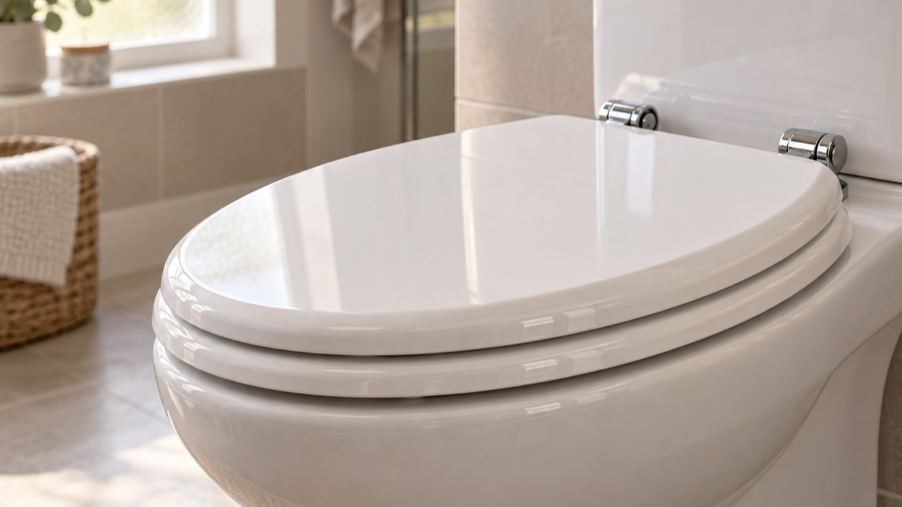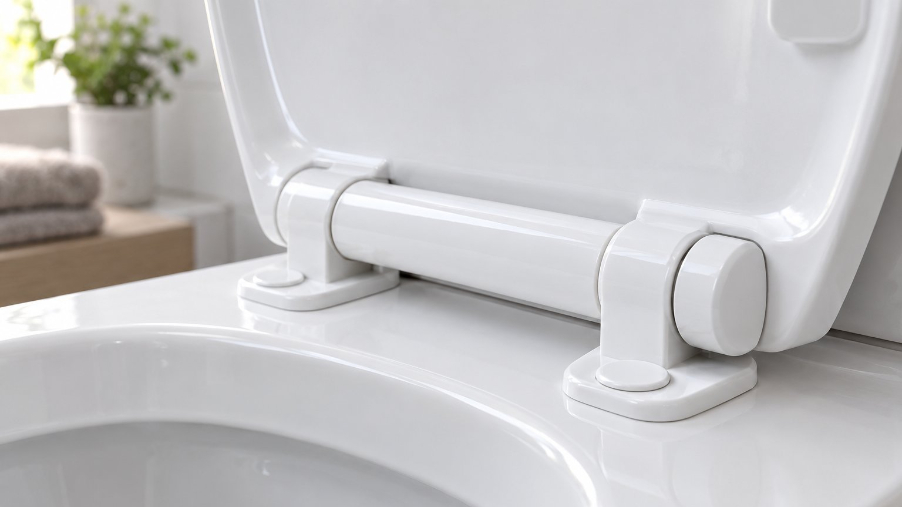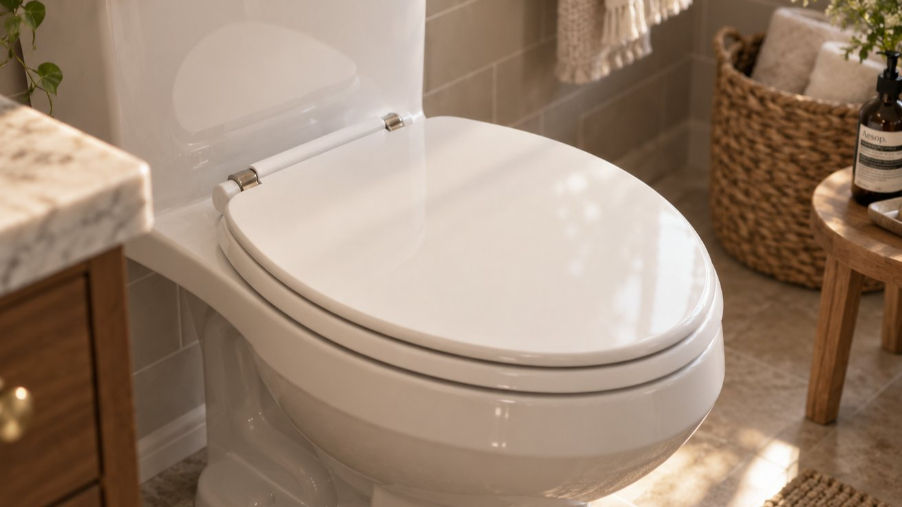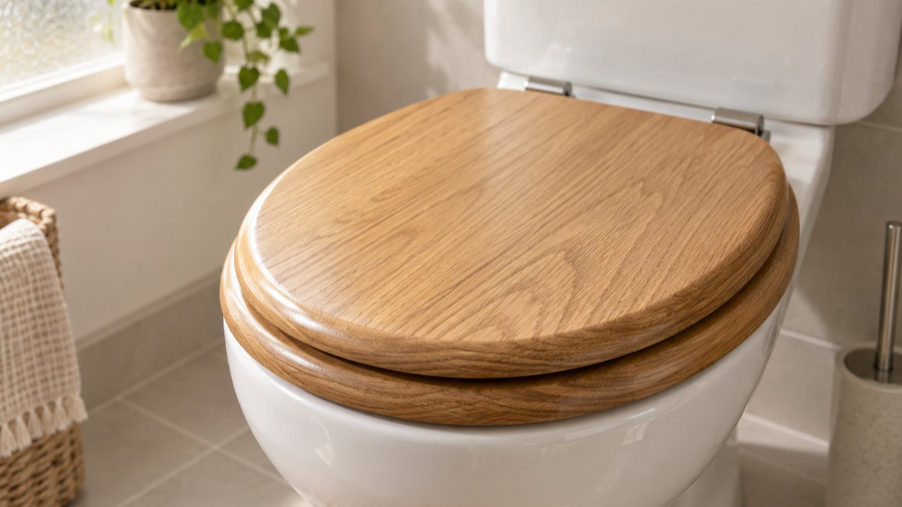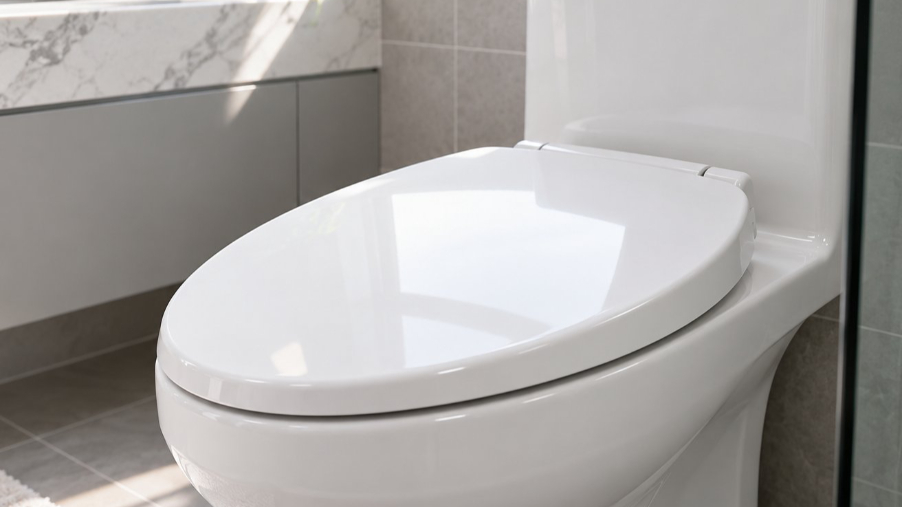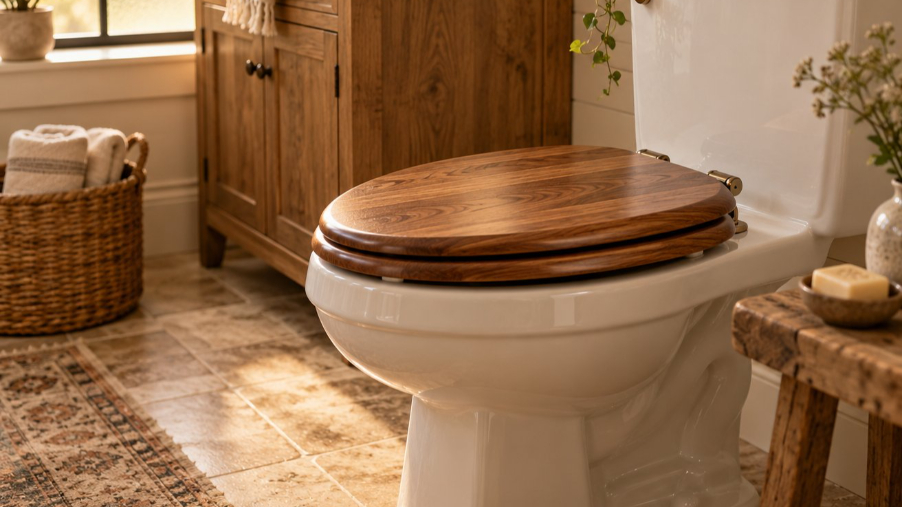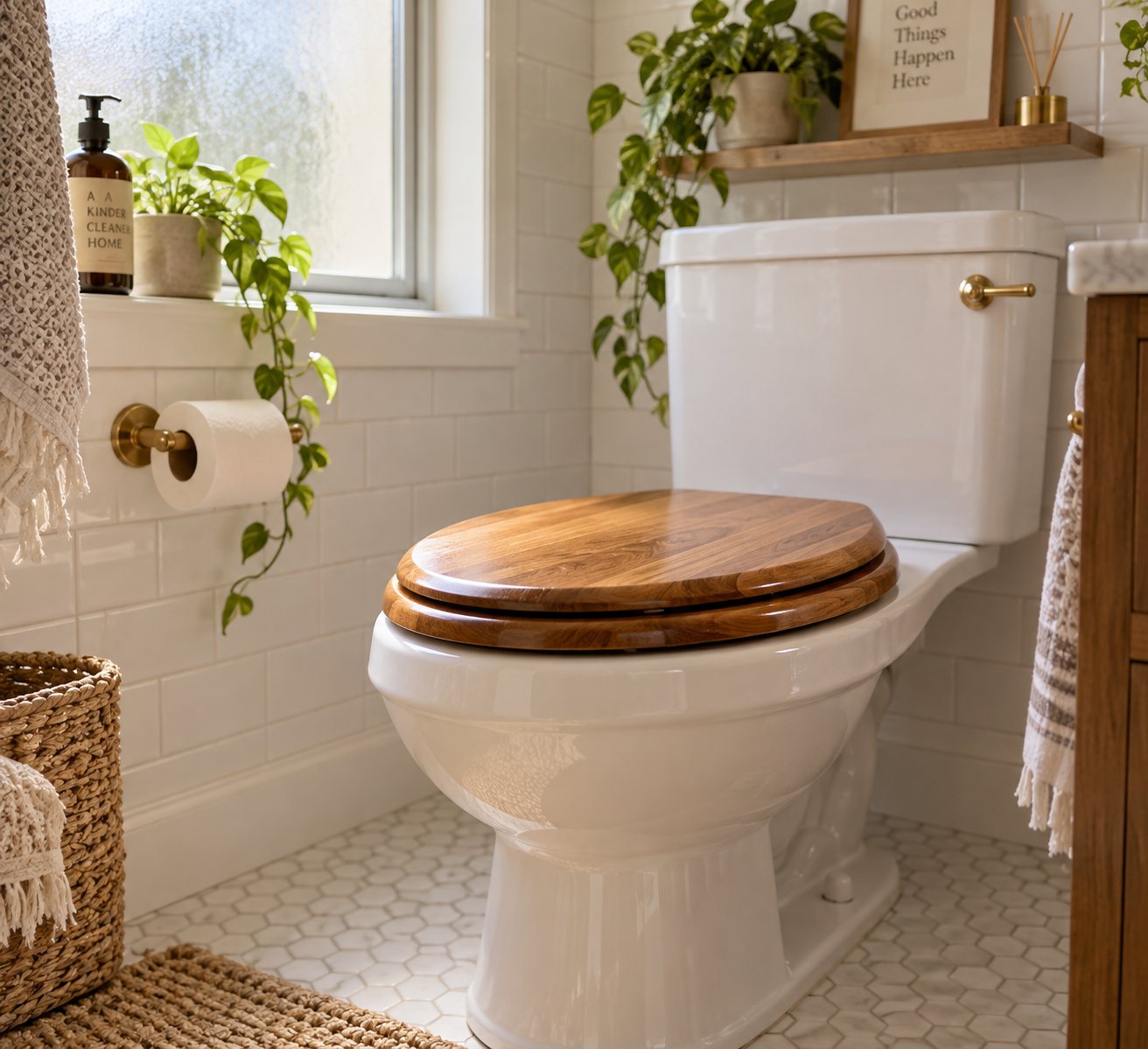
What Makes Wooden Toilet Seat Covers Different From Other Options
Ever sat down on a freezing plastic toilet seat in the middle of winter? That jarring chill is one reason wooden toilet seats have never gone out of style. Despite the widespread dominance of plastic in modern bathrooms, a wooden toilet seat cover continues to hold a loyal following among homeowners, designers, and renovation enthusiasts alike. But what exactly sets these seats apart, and why do so many people still choose wood over every other material?
A wooden toilet seat cover is a toilet seat and lid assembly constructed from solid wood, molded wood, MDF (medium-density fiberboard), or enameled wood, designed to fit standard round or elongated toilet bowls. It offers a warmer touch, heavier build quality, and a more refined aesthetic compared to standard plastic alternatives.
What Exactly Is a Wooden Toilet Seat Cover
The term "wood" in the context of toilet seats is broader than most people realize. It does not simply mean a plank of timber shaped into a seat. The category spans several distinct materials, each with unique properties. You'll find options made from solid hardwoods like oak, bamboo, and teak. Others are crafted from composite MDF, which uses compressed wood fibers bonded with resin. Then there are enameled wood seats, where molded wood cores receive a baked-on enamel coating for a smooth, durable finish. Each of these falls under the wooden loo seat umbrella, yet they behave very differently in a bathroom environment.
Why Wood Remains a Preferred Seat Material
So why does a wooden toilet still appeal to buyers in an era dominated by synthetic materials? Three factors drive the preference. First, warmth. Wood is a natural insulator, meaning the surface feels noticeably warmer against skin than plastic or metal hardware. Second, aesthetics. A well-finished wood seat adds texture, richness, and character that plastic simply cannot replicate, whether you're aiming for a farmhouse vibe or a sleek modern look. Third, the premium feel. Wooden toilet seats carry more weight and solidity, giving a sense of quality the moment you lift or lower the lid.
Yet not all wood seats are created equal. The specific material, finish, and hardware behind each seat determine whether it thrives in your bathroom for years or warps within months. Those differences start at the material level, where grain density, moisture resistance, and protective coatings play a far bigger role than most product listings ever reveal.
Comparing Wood Types for Bathroom Toilet Seats
Choosing a wooden toilet seat cover sounds straightforward until you realize how many materials hide behind the word "wood." A solid oak toilet seat and a molded wood composite seat look similar on a product listing, yet they perform very differently in the humid, high-use environment of a bathroom. Understanding what each material actually is, and why it behaves the way it does, helps you avoid a purchase that warps, cracks, or disappoints within a year.
Here is a side-by-side breakdown of the most common wood toilet seats on the market:
| Material | Moisture Resistance | Durability | Weight | Price Tier | Best For |
|---|---|---|---|---|---|
| Solid Oak | Moderate (needs quality sealant) | High with proper maintenance | Heavy | Mid to Premium | Traditional or rustic bathrooms |
| Bamboo | Moderate to Good (naturally dense) | High | Medium | Mid | Eco-conscious, modern interiors |
| Teak | Excellent (natural oil content) | Very High | Heavy | Premium | High-humidity bathrooms, luxury settings |
| MDF (Medium-Density Fiberboard) | Low if seal is compromised | Moderate | Medium to Heavy | Budget | Rental properties, budget renovations |
| Molded Wood Composite | Good (compressed fibers resist swelling) | High | Medium | Budget to Mid | Hotels, commercial use, everyday homes |
| Enameled Wood | Very Good (baked enamel shell) | High | Medium to Heavy | Mid | Family bathrooms, easy-maintenance setups |
Solid Hardwood Options Like Oak and Teak
When people picture toilet seats wooden in their construction, they usually imagine solid hardwood. An oak toilet seat delivers a classic, substantial feel. Oak's tight grain pattern provides decent structural strength, though it still needs a robust polyurethane or marine-grade sealant to handle daily moisture exposure. Without that protective barrier, even dense hardwood absorbs water at the surface level, leading to gradual swelling.
Teak sits at the opposite end of the maintenance spectrum. This tropical hardwood contains natural oils, primarily tectoquinone, that repel water and resist fungal growth from the inside out. That is why teak has been a preferred material in boatbuilding for centuries. A toilet with wood seat crafted from teak can handle steamy, poorly ventilated bathrooms far better than oak or pine, though you will pay a premium for that resilience. Bamboo falls somewhere in between, offering respectable moisture resistance thanks to its naturally dense fiber structure, along with a faster growth cycle that appeals to sustainability-minded buyers.
MDF and Molded Wood Composites Explained
Not every wood toilet seat starts as a plank of timber. MDF seats are manufactured from fine wood fibers bonded with resin and pressed into dense, smooth panels. The result is an affordable, uniform product that machines beautifully into custom shapes. The trade-off? MDF has a critical weakness: if the protective coating chips, cracks, or wears through, moisture penetrates the core and causes irreversible swelling. This is why finish quality on an MDF seat matters just as much as the material itself.
Molded wood composites take a different approach. Compressed wood fibers combined with resin are placed into molds under high pressure and heat, creating a dense, structurally stable seat with consistent dimensions. Because the internal structure is evenly distributed rather than following a natural grain, molded wood resists warping and cracking more effectively than solid timber. Manufacturers favor this construction for large-scale production, hotels, and commercial applications where reliability across thousands of units is non-negotiable.
How Grain Density and Natural Oils Affect Bathroom Performance
Why does one toilet wood seat last a decade while another fails in two years? The answer often comes down to two material-science factors: grain density and natural oil content.
Grain density determines how tightly packed the wood fibers are. Denser woods like teak and bamboo have smaller spaces between fibers, which means less room for water molecules to penetrate. Lighter softwoods such as pine have a more open grain structure, making them far more vulnerable to moisture absorption. Imagine a tightly woven fabric versus a loosely knit sweater, and you will understand the difference water exposure makes over time.
Natural oils add a second layer of defense. Teak's built-in oils create a hydrophobic barrier at the cellular level, so even an unfinished teak surface repels water better than a sealed piece of pine. Oak falls in the middle. It possesses moderate density and some natural tannins that offer limited moisture resistance, but nowhere near enough to survive a bathroom without a protective finish.
Structural strength follows a similar pattern. Solid hardwood and molded composites handle the repeated stress of sitting and lid movement well, while MDF, despite being dense, is more brittle under concentrated loads if the core has been weakened by moisture. For households concerned about weight capacity and longevity, a wood toilet seat made from molded composites or high-density hardwood consistently outperforms budget MDF alternatives, especially in bathrooms where humidity runs high.
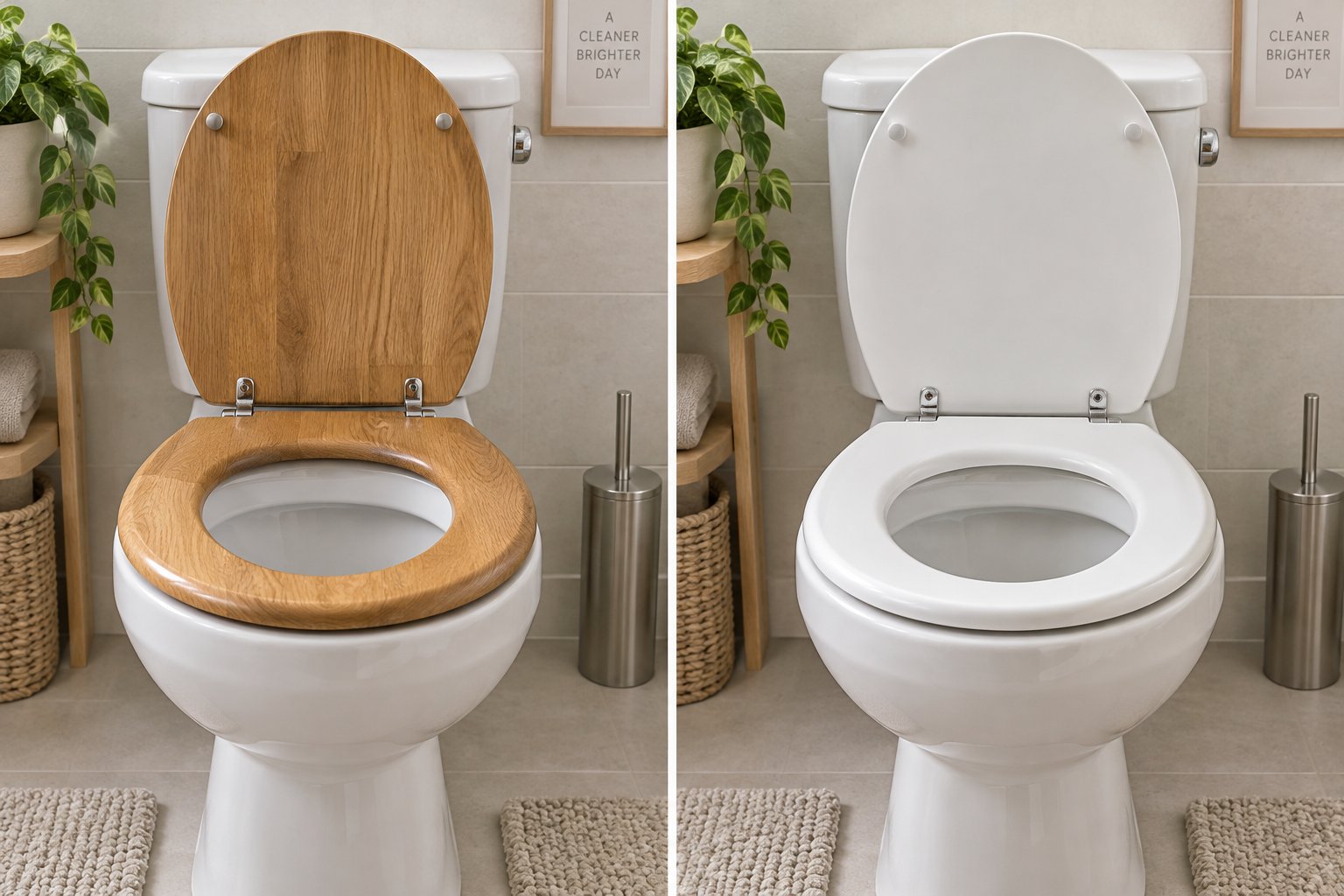
Wood vs Plastic Toilet Seat and Which One Wins
Material science tells one side of the story. The other side is the question nearly every toilet seat shopper eventually asks: is wood or plastic toilet seat better for my bathroom? It is the most common comparison in this category, and it deserves a direct, honest answer rather than a vague "it depends." The truth is, both materials have genuine strengths and real weaknesses. Your job is to match those traits to your specific bathroom, climate, and daily routine.
Where Wood Outperforms Plastic
If you have ever lowered yourself onto a plastic seat on a cold morning, you already understand the most immediate advantage of wood. Because wood conducts heat more slowly, it feels noticeably warmer to the touch, eliminating that uncomfortable thermal shock plastic delivers in cooler months. This is not marketing hype; it is basic thermal conductivity at work.
Beyond comfort, a wood vs plastic toilet seat comparison tilts toward wood in several other areas:
Pros of Wood Toilet Seats
- Natural warmth: Wood acts as an insulator, maintaining a comfortable surface temperature regardless of the season.
- Aesthetic richness: Visible grain patterns, warm tones, and premium finishes add texture and character that plastic cannot replicate.
- Substantial feel: The heavier build gives a sense of solidity and quality every time you raise or lower the lid.
- Sustainability: Seats made from responsibly sourced or FSC-certified timber are biodegradable and renewable, unlike petroleum-based plastics that contribute to microplastic pollution and carry a recycling rate below 20%.
- Durability under care: A well-sealed hardwood or enameled wood seat can last 10 to 15 years with proper maintenance.
Where Plastic Has the Advantage
Plastic earns its massive market share for good reasons. When you weigh the toilet seat plastic vs wood question from a purely practical standpoint, plastic pulls ahead in several key categories:
Pros of Plastic Toilet Seats
- Hygiene and cleaning: Non-porous surfaces resist bacterial absorption, tolerate bleach and chemical cleaners, and can be sanitized in seconds.
- Moisture immunity: Zero water absorption means plastic seats perform flawlessly in humid, poorly ventilated bathrooms where wood would swell or warp.
- Lower cost: Entry-level plastic seats cost a fraction of solid wood options, making them practical for rentals or budget renovations.
- Lightweight construction: Less weight means less stress on hinges and mounting hardware over time.
- Color variety: Plastic seats come in virtually any color or finish, offering more flexibility for modern or minimalist designs.
Cons Worth Noting for Each Material
- Wood drawbacks: Requires gentler cleaners (no bleach or abrasives), needs periodic inspection for finish wear, costs more upfront, and is heavier, which places greater stress on hinges.
- Plastic drawbacks: Feels cold in winter, can yellow or discolor from UV exposure and certain cleaners, may flex under heavier users, and is made from petroleum-based materials with limited end-of-life recyclability.
One material worth mentioning here is duroplast, a premium thermoset plastic that bridges the gap between standard polypropylene and enameled wood. Duroplast resists scratches, UV yellowing, and chemical damage better than regular plastic, offering a surface feel that approaches wood toilet seat vs plastic territory without the moisture vulnerabilities. If you want the clean convenience of plastic with a more refined look, duroplast seats are a compelling middle ground to evaluate against enameled wood alternatives.
Climate and Humidity as Decision Factors
Here is a factor almost no buying guide mentions: your local climate and bathroom ventilation should heavily influence the toilet seat wood vs plastic decision. Live in a dry, temperate region with a well-ventilated bathroom? Wood will thrive with minimal maintenance. A properly sealed hardwood or enameled seat in these conditions can easily exceed a decade of daily use.
But imagine a bathroom in a tropical or subtropical climate, or a windowless interior bathroom with poor airflow. Humidity levels in these environments consistently hover above 60%, accelerating finish degradation, encouraging mold growth, and pushing moisture into any micro-crack in a wood seat's protective coating. In those conditions, plastic or duroplast is simply the more practical choice, not because it is a better material overall, but because it is the right material for that environment.
The plastic versus wood toilet seat debate does not have a universal winner. Instead, it has a personal one. Comfort-focused buyers in moderate climates lean toward wood. Hygiene-first households with high humidity or young children often prefer plastic. And eco-conscious homeowners willing to invest in maintenance find that a responsibly sourced wooden seat aligns with their values in ways petroleum-based options never can.
What ultimately separates a satisfying purchase from a frustrating one is not the material alone. It is the construction beneath the surface, particularly how the seat is finished and sealed. That protective layer is where enameled wood and MDF seats earn or lose their reputation, and it is far more important than most product listings suggest.
Understanding Enameled Wood and MDF Seat Construction
Browse any major retailer for a wooden toilet seat cover and you will run into the term "enameled wood" on dozens of product listings. Brands like Bemis use the phrase constantly. So do labels on popular models like the Alesio elongated closed front high density enameled wood toilet seat. Yet almost none of those listings actually explain what enameled wood means, how it is made, or why it performs differently from a solid hardwood or raw MDF seat. That gap leaves buyers guessing, and guessing leads to mismatched expectations.
Let's fix that.
What Is Enameled Wood and Why It Matters
Enameled wood is not solid timber with a coat of paint brushed on top. The process is more engineered than that. It starts with a core made from molded wood, which consists of compressed wood fibers bonded with resin under high pressure and heat. This compressed core is dense, structurally consistent, and free from the natural grain irregularities that can create weak points in solid wood. Manufacturers then apply a baked-on enamel finish, a hard, glossy coating that is cured at high temperatures to form a smooth, moisture-resistant shell around the entire seat.
Think of it like a ceramic glaze on pottery. The enamel does not merely sit on the surface; it bonds to the wood substrate during the baking process, creating a tight, non-porous barrier. This matters enormously in a bathroom environment where splashes, humidity, and cleaning products constantly assault the seat surface.
Compared to a raw or lacquered solid wood seat, an enameled wood seat requires significantly less maintenance. A Bemis wood toilet seat with enameled construction, for example, does not need periodic resealing the way an oiled oak seat would. The baked enamel handles that protective role from the factory, and it holds up far longer than spray-on lacquer or brush-applied polyurethane coatings.
Here are the core advantages that make enameled wood a standout choice:
- Stain resistance: The non-porous enamel surface repels liquids and prevents discoloration from cleaning products, hard water, or everyday bathroom use.
- Consistent color: Unlike natural wood, which can darken, yellow, or develop uneven patina over time, enameled finishes maintain a uniform appearance for years.
- Easy cleaning: A damp cloth with mild soap is all it takes. No special wood oils or conditioners needed.
- Longer lifespan versus unfinished wood: The sealed shell prevents moisture from reaching the compressed wood core, dramatically reducing the risk of swelling, warping, or cracking.
- Hygienic surface: Because the enamel creates a non-porous barrier, bacteria and moisture cannot absorb into the material the way they can with raw or poorly sealed wood. This makes a stain resistant toilet seat with enamel coating comparable to plastic in terms of surface hygiene.
That last point is worth emphasizing. Many buyers assume that any wooden seat is inherently less hygienic than plastic. In reality, a properly enameled surface eliminates the porosity issue entirely. The bacteria have nowhere to go because there are no microscopic pores to harbor them.
MDF Toilet Seats and Their Strengths and Weaknesses
MDF, or medium-density fiberboard, shares some DNA with molded wood composites but behaves differently enough to deserve its own evaluation. Manufacturers produce MDF by pressing fine wood fibers together with resin using heat and high pressure, creating a dense, smooth, and uniformly structured panel. That smoothness is MDF's secret weapon: it machines beautifully, accepting custom shapes, rounded edges, and decorative profiles that would be difficult or expensive to achieve with solid timber.
For budget-conscious buyers, MDF seats hit a sweet spot. They feel substantially heavier and more solid than basic plastic, offer a warmer sitting surface, and can be painted in virtually any color or finish. In rental properties, guest bathrooms, or budget renovations, an MDF seat delivers a premium appearance at a fraction of the cost of solid hardwood or teak.
The vulnerability? Moisture. MDF's internal structure is essentially a dense sponge of bonded fibers. As long as the protective coating remains intact, that structure stays sealed and stable. But if the finish chips along an edge, if a hinge bolt rubs through the coating during installation, or if standing water pools around the mounting holes, moisture begins creeping into the core. Once that happens, the fibers swell irreversibly. You will notice the seat surface bubbling, edges softening, or the entire shape warping. Unlike solid wood, which can sometimes be sanded and resealed, moisture-damaged MDF is essentially beyond repair.
This is why the quality of the protective finish and hardware matters just as much as the MDF itself. A well-built MDF seat with multiple coats of factory-applied sealant and corrosion-resistant hinge hardware can perform reliably for years. A bargain-bin alternative with thin paint and cheap steel bolts that rust through the coating? You might be replacing it within a season.
How Protective Coatings Prevent Moisture Damage
Whether you are looking at enameled wood, lacquered hardwood, or painted MDF, the protective coating is the single most important factor determining how long the seat survives in your bathroom. The coating serves three functions simultaneously: it blocks moisture penetration, provides a cleanable hygienic surface, and protects against staining and chemical damage from bathroom cleaners.
Enameled finishes are the most robust option. The high-temperature baking process creates a hard, glass-like shell that resists scratching and chemical exposure better than air-dried paints or brush-on polyurethane. Standard lacquer finishes offer moderate protection but tend to wear thinner at high-contact points, such as where the seat contacts the bowl rim and where users sit most frequently. Once those wear spots develop, moisture has a direct path to the wood underneath.
For solid wood seats, marine-grade polyurethane and spar varnish offer the best moisture barriers short of full enamel coating. These finishes flex slightly with the wood as it expands and contracts through humidity cycles, reducing the risk of cracking that rigid coatings sometimes face on natural timber.
Regardless of the material, one rule holds universally: inspect the underside. Many manufacturers apply beautiful finishes to the visible top surfaces but skimp on the bottom of the seat and the inside of the lid, exactly where moisture exposure is heaviest. A quality seat will have consistent coating on every surface, including edges and bolt holes. If you can see raw, uncoated material anywhere on the seat, moisture will eventually find it.
The coating protects the structure, but it is not the only engineering detail that determines long-term performance. Equally critical, and far less discussed, is the hinge and damper system that connects the seat to your toilet bowl. Heavier wood and MDF seats place unique demands on these mechanisms, demands that generic hardware often fails to meet.
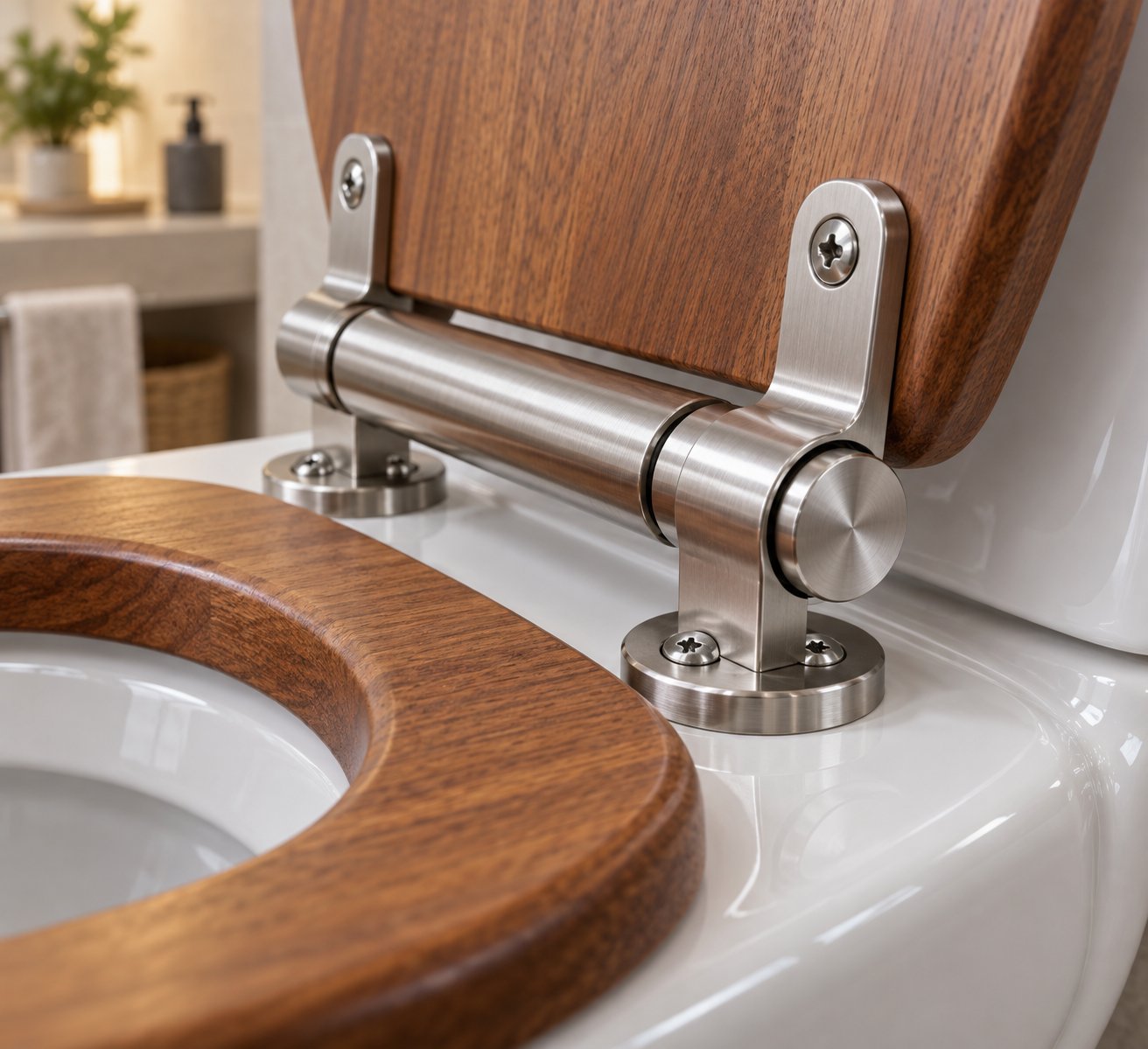
Soft-Close Hinges and Damper Technology for Wooden Seats
You have found the perfect wood finish, chosen the right material for your climate, and confirmed the bowl shape. But here is a detail that can quietly make or break the entire purchase: the hinges holding your seat to the bowl. Most shoppers spend their energy comparing wood types and finishes while barely glancing at hinge specs. That oversight matters far more on a wooden toilet seat cover than it ever does on a lightweight plastic one, and the reason comes down to basic physics.
Why Hinge Quality Matters More on Heavy Wood Seats
A standard plastic toilet seat weighs roughly 2 to 3 pounds. A solid hardwood or enameled wood seat? Easily 5 to 7 pounds, sometimes more. That extra weight generates significantly more force every time the lid drops, more stress on the hinge pins with each opening, and more torque transferred to the mounting points on your porcelain bowl. Cheap hinges that hold up just fine under a featherweight polypropylene seat will loosen, wobble, and eventually fail under a heavy duty toilet seat made from oak or MDF.
The hinge material itself determines how long the connection stays tight and stable. Here are the most common options you will encounter:
- Plastic hinges: Lightest and least expensive. Adequate for budget plastic seats but prone to cracking, warping, and loosening under the weight of wood seats. They flex under load, creating that annoying side-to-side wobble that worsens over months of use.
- Zinc alloy hinges: A meaningful step up. Zinc alloy resists corrosion reasonably well and handles moderate weight without deformation. Common on mid-range wood seats, though lower-grade zinc can become brittle over time in humid bathroom environments.
- Stainless steel hinges: Excellent corrosion resistance and high load tolerance. Stainless steel maintains its structural integrity across thousands of open-close cycles, making it the go-to choice for premium wooden seats and commercial installations.
- Brass hinges: The traditional luxury option. Brass offers superb corrosion resistance, a substantial feel, and an aesthetic warmth that complements wood beautifully. Heavier and more expensive than stainless steel, brass hinges are typically found on high-end solid hardwood seats designed for heritage or period-style bathrooms.
Imagine tightening a plastic bolt into porcelain and then hanging seven pounds of oak from it, day after day, year after year. You will understand why hinge material is not a spec to ignore. A soft close wooden toilet seat with stainless steel or brass hardware will maintain a snug, wobble-free fit far longer than one relying on molded plastic connections.
Soft-Close Damper Mechanisms and How They Work
Ever had a heavy wooden lid slam down on porcelain hard enough to make you wince? That impact can chip the bowl rim, crack the seat itself, and create a startling bang that echoes through the house at 2 a.m. This is exactly why soft-close, also called slow-close, mechanisms exist, and why they are not just a convenience feature but a near-necessity on heavier wood seats.
The core of every soft-close system is a rotary damper integrated inside the hinge assembly. When you release the lid, the hinge rotates and engages the damper. Inside the damper, specially designed internal structures and damping fluid, typically silicone oil, create controlled resistance against the rotational movement. The kinetic energy from the falling lid is gradually absorbed by this fluid resistance, slowing the descent to a gentle, quiet close that takes several seconds instead of a split-second slam.
From the outside, you rarely see the damper at all. It is built into the hinge body, invisible but doing all the critical work. The quality of that hidden component determines whether your best soft close toilet seat still closes smoothly after five years or starts slamming again after six months.
What separates a reliable damper from a disposable one? Three factors stand out:
- Seal integrity: The silicone oil inside the damper must remain sealed throughout the product's life. Poor seals allow oil to leak, and once the fluid escapes, damping force drops dramatically.
- Cycle life: A quality damper maintains stable performance across thousands of cycles, even in the humid environment of a bathroom. Budget dampers degrade noticeably after a few hundred.
- Temperature stability: Silicone oil viscosity changes with temperature. Well-engineered dampers compensate for this, ensuring the close speed stays consistent whether your bathroom is a cool 60 degrees or a steamy 85.
Purpose-built dampers designed specifically for heavier seat materials illustrate this engineering difference clearly. Tianyun's MDF / Metal Damper, for example, is engineered for MDF, wooden, resin, and metal toilet seat structures rather than being a generic, one-size-fits-all component. This kind of specialized design allows manufacturers to calibrate custom torque settings matched to the actual weight and material density of wood seats, ensuring the soft-close action feels deliberate and controlled rather than sluggish or inconsistent. The OEM mounting design flexibility also means different toilet seat brands can integrate the same reliable slow-close action without redesigning their seat geometry, a practical advantage that keeps production costs manageable while improving the end product.
This is the kind of behind-the-scenes detail that separates the best slow close toilet seat from a cheap imitation. Both might advertise "soft close" on the box, but only one will still perform that way after three years of daily family use.
Matching Damper Torque to Seat Weight and Material
Here is a concept most product listings never mention: damping torque. It is the amount of rotational resistance the damper applies to the closing lid, and it needs to match the weight of the seat material. Get it wrong, and you end up with one of two frustrating outcomes.
Too little torque on a heavy hardwood lid, and the damper cannot absorb enough energy to slow the fall. The seat closes faster than expected, still producing a noticeable thud on the bowl rim. Too much torque on a lighter MDF seat, and the lid barely moves after you release it, hanging awkwardly at an angle or taking an unnaturally long time to close. Neither experience feels like quality.
Think of it like brakes on a vehicle. A compact car's braking system works perfectly for its weight class but would be dangerously underpowered on a heavy truck. The same principle applies here. A damper calibrated for a 2-pound plastic lid will be overwhelmed by a 6-pound oak seat. Manufacturers who take this seriously use dampers with torque ratings specifically matched to the seat's material and weight, not a universal damper pulled from a bulk bin.
Products like the Mayfair Lannon slow close wood toilet seat have earned solid reputations partly because their hinge assemblies are engineered as integrated systems where the damper, hinge body, and mounting hardware all work together as a matched set. When evaluating any soft close wooden toilet seat, pay attention to whether the manufacturer specifies the damper type and torque range. If the listing says nothing about the mechanism and only mentions the wood finish, that silence often signals a generic hinge assembly that may not hold up under the demands of a heavy wood lid.
Quality hinges and properly matched dampers protect more than just your porcelain bowl. They also protect the seat itself from the repeated micro-impacts that loosen joints, crack finishes, and degrade structural integrity over time. And that structural protection ties directly into a topic most manufacturers avoid entirely: how to keep a wooden seat looking and performing its best through years of daily use.
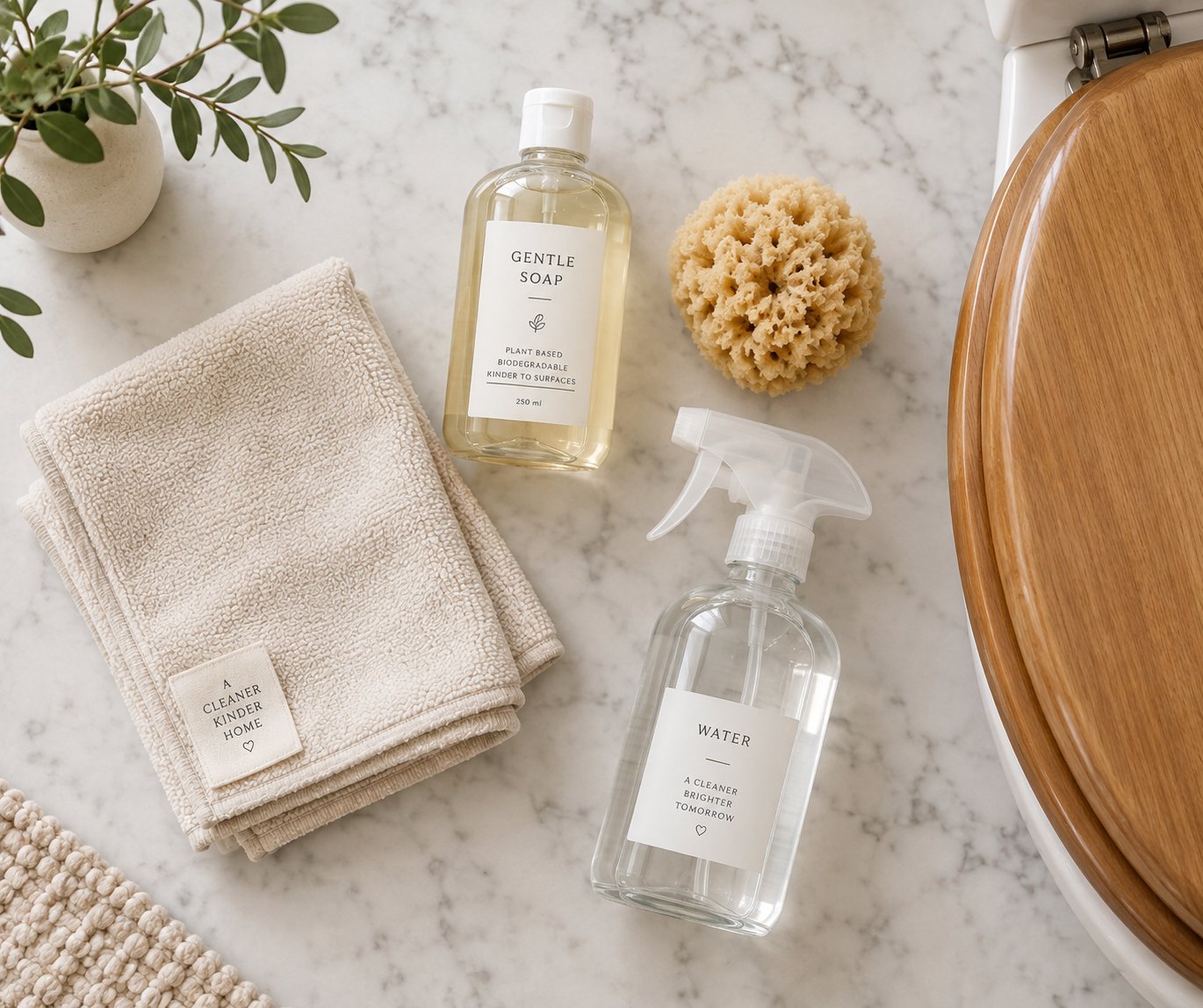
How to Clean and Maintain a Wooden Toilet Seat Cover
A wooden toilet seat cover can last a decade or more, or it can deteriorate within a single year. The difference almost never comes down to the material itself. It comes down to how you care for it. Despite this, virtually every product listing and competitor page skips maintenance guidance entirely, leaving buyers to figure things out after something goes wrong. Cracked finishes, warped lids, and stubborn stains are not inevitable. They are preventable, provided you follow a practical routine that respects the material you are working with.
Here is a structured care routine that covers daily upkeep through seasonal inspection, giving your wooden toilet cover the protection it actually needs:
- Daily wipe-down with mild soap and warm water. Dampen a soft microfiber cloth with a small amount of pH-neutral dish soap diluted in warm water. Wipe the top, underside, and edges of the seat and lid. This removes surface grime, body oils, and light splashes before they have a chance to settle into the finish.
- Dry every surface immediately after wiping. This step is just as important as the cleaning itself. Use a separate dry cloth to remove all residual moisture from the seat, lid, and especially the hinge area, where water tends to pool unnoticed. Prolonged moisture contact is the single biggest threat to any wood toilet lid, regardless of finish quality.
- Weekly deeper cleaning. Once a week, pay extra attention to the underside of the seat, the area around the mounting bolts, and the interior hinge recesses. Use the same mild soap solution but spend more time on these often-neglected zones where moisture and residue accumulate quietly. A non-scratch sponge works well for gently lifting any buildup without damaging the protective coating.
- Monthly hardware check. Give the hinge bolts a light hand-tightening. Wood seats are heavier than plastic, and repeated use gradually loosens mounting hardware. Catching a loose bolt early prevents the wobble and lateral movement that grinds away at the finish around bolt holes, creating entry points for moisture.
- Seasonal full inspection. Every three to four months, examine the entire seat under good lighting. Look for hairline cracks in the finish, dull spots where the coating has worn thin, discoloration around edges, or any area where the underlying wood or MDF is beginning to show through. Check the underside of the lid and the bottom of the seat ring, the two surfaces most product owners never inspect despite being the most moisture-exposed.
- Apply protective wax or sealant as needed. After a deep clean, a thin layer of furniture wax or a wood-safe sealant on the exterior surfaces creates an additional moisture barrier. Re-apply this every few months based on usage frequency and how aggressively you clean.
Safe Cleaning Products and Methods for Wood Finishes
The cleaning aisle is full of products that will destroy a wooden seat's finish in weeks. Knowing what to avoid saves you from an expensive replacement. Here is the short list of products you should never use on a toilet seat cover wood surfaces depend on for protection:
- Bleach: Highly corrosive. Bleach strips the protective finish from wood and enameled surfaces, causing discoloration, cracking, and premature deterioration.
- Ammonia-based cleaners: These attack sealants and lacquers, dulling the surface and weakening the moisture barrier with each application.
- Abrasive powders and scouring pads: They scratch through enamel and polyurethane coatings, creating micro-channels where water infiltrates the wood core.
- Full-strength vinegar: While diluted vinegar (equal parts water) can be used sparingly for odor control, concentrated vinegar is acidic enough to dull and degrade wood finishes over time.
What works? Mild dish soap and warm water handle 95% of cleaning needs on an easy clean toilet seat made from wood or enameled wood. For stubborn hard water stains, a gentle paste of baking soda and water applied with a soft cloth, left for two to three minutes, and then wiped away provides enough mild abrasion to lift mineral deposits without scratching. If you need to sanitize, a three percent hydrogen peroxide solution applied briefly with a cloth is a safer alternative to bleach. Always rinse and dry the surface completely afterward.
When and How to Reseal a Wooden Toilet Seat
Enameled wood seats with factory-applied baked finishes rarely need resealing during their lifespan. Solid wood and lacquered seats are a different story. Their coatings wear down over time, especially at high-contact points: where you sit, where the seat meets the bowl rim, and around the hinge bolts.
How do you know when it is time? Run your fingertip across the seat surface. A healthy finish feels uniformly smooth and slightly slick. Worn areas feel rough, matte, or tacky compared to the surrounding surface. If water droplets no longer bead up and instead soak into the surface, the sealant has thinned past the point of effective protection.
For touch-ups on solid wood seats, two products deliver the best results:
- Polyurethane (water-based): Easy to apply with a foam brush, dries clear, and adds a durable moisture-resistant layer. Apply two thin coats with light sanding between them for the best adhesion.
- Marine-grade spar varnish: Originally designed for boat surfaces constantly exposed to water, spar varnish flexes with the wood as it expands and contracts through humidity cycles. This flexibility reduces the risk of cracking that rigid finishes sometimes face on natural timber.
Before applying either product, clean the seat thoroughly, let it dry completely, and lightly sand the worn area with 220-grit sandpaper to give the new finish something to grip. Apply thin, even coats and allow full curing time before reinstalling the seat. Rushing this process traps moisture under the new finish, defeating the entire purpose.
Preventing Warping and Cracking in Humid Bathrooms
Even the best cleaning routine will not save a wooden toilet cover installed in a bathroom that traps moisture like a steam room. High humidity is the silent accelerator behind most wood seat failures, and poorly ventilated bathrooms are the worst offenders.
Wood is hygroscopic, meaning it absorbs and releases moisture from the surrounding air. In a well-ventilated bathroom with moderate humidity, this cycle is gentle and the seat stays stable. In a windowless bathroom where hot showers send humidity above 70% with no exhaust fan pulling moisture out, the wood absorbs more water than it can release between uses. Over weeks and months, this imbalance causes the fibers to swell unevenly, leading to warping, finish separation, and eventually cracking.
Practical prevention comes down to three habits:
- Run the exhaust fan during and for at least 15 minutes after every shower or bath. This single step reduces ambient humidity more effectively than any other measure.
- Never leave standing water on the seat surface. Splashes from cleaning, bath time, or leaking tank hardware should be wiped and dried immediately. Pooled water around bolt holes is particularly dangerous because it seeps into the one area where the protective finish is thinnest.
- Crack a window or door when possible. Cross-ventilation dramatically accelerates moisture dissipation, especially in bathrooms without mechanical exhaust systems.
Seasonal shifts matter, too. Summer months in humid subtropical or tropical climates push bathroom moisture levels higher for extended periods. If you live in these regions and notice your wood toilet lid feeling slightly swollen or sticky during peak humidity season, increase ventilation and consider running a small dehumidifier in the bathroom. Catching the early signs of moisture stress and responding quickly is far cheaper than replacing a warped seat.
Proper maintenance keeps the physical structure intact. But what about what you cannot see? Bacteria, surface hygiene, and the safety implications of a heavier seat all raise questions that deserve direct, evidence-based answers rather than vague reassurances.
Hygiene and Health Concerns With Wood Toilet Seats
Does wood harbor more germs than plastic? It is one of the most common objections people raise when considering a wooden toilet seat cover, yet almost no product page or buying guide addresses it with any real science. The short answer is nuanced: it depends entirely on the surface condition, not the base material. A raw, untreated plank of pine would absolutely absorb moisture and give bacteria a place to thrive. But that is not what you are installing in your bathroom.
Do Wooden Seats Harbor More Bacteria Than Plastic
Wood is an organic, porous material, and that porosity is the root of most hygiene concerns. When the surface is unsealed or poorly finished, microscopic channels in the grain can trap moisture, body oils, and microbial contaminants. Research published in Antibiotics confirms that the porous and hygroscopic nature of wood raises legitimate questions about its use in hygienically important settings. Recovery studies have demonstrated that microbes can descend into the pores of wood, making them harder to remove through simple surface wiping compared to non-porous materials like glass or plastic.
However, that same body of research reveals a far more interesting finding: some wood species actually fight back. Certain hardwoods possess natural antimicrobial compounds in their extractives, the biochemical substances embedded within the wood's cellular structure. Teak, for instance, contains tectoquinone and other natural oils that actively inhibit microbial growth. Studies on pine and oak heartwood have demonstrated measurable antibacterial effects against organisms including Staphylococcus aureus and Escherichia coli, with oak heartwood showing particularly strong inhibition in direct contact screening tests. These are not marketing claims. They are laboratory-confirmed properties driven by the chemical composition of the wood itself.
So the picture is more complex than "wood equals dirty." Raw, unsealed softwood? Yes, that is a hygiene liability on toilet bowl seats. A properly finished hardwood seat with natural antimicrobial properties? It may actually offer advantages that plastic cannot match at the material level.
How Enamel Coatings Create Hygienic Surfaces
The real game-changer for hygiene is the surface finish. Enameled wood and properly sealed seats eliminate the porosity problem entirely. When a baked enamel coating encases the compressed wood core, it creates a non-porous, glass-like surface that bacteria simply cannot penetrate. There are no microscopic channels, no grain pores, and no moisture absorption pathways. From a bacterial adhesion standpoint, a well-enameled wooden seat behaves identically to a smooth plastic one.
Sanitizing these surfaces is straightforward. A damp cloth with mild soap removes surface contaminants effectively. For periodic disinfection, a brief application of three percent hydrogen peroxide, wiped on and dried off within a minute, kills common bathroom pathogens without attacking the enamel the way bleach or ammonia-based cleaners would. The key is that you are cleaning a sealed barrier, not trying to decontaminate raw wood fibers.
A wooden toilet seat with an intact enamel or polyurethane finish is functionally non-porous and comparable to plastic in surface hygiene. The risk of bacterial harboring increases only when the protective coating is cracked, chipped, or worn through, exposing the wood core beneath.
This is why the finish inspection steps covered in the maintenance section are not just about appearance. They are directly tied to hygiene. A comfortable toilet seat that looks fine on the surface but has a hairline crack in the enamel around a bolt hole is silently becoming a bacterial entry point. Catching that early is a health measure, not just a cosmetic one.
Weight and Safety Considerations for Households With Children
Hygiene is not the only health-related factor worth examining. The physical weight of a wooden toilet seat lid introduces a safety concern that plastic seats rarely create, particularly in homes with young children.
A solid wood or enameled wood seat lid weighs two to three times more than a standard plastic equivalent. When that heavy lid falls freely, even from a partially open position, it generates enough force to pinch small fingers, bruise skin, or startle a child badly enough to create lasting bathroom anxiety. Parents searching for an unbreakable toilet seat that handles rough use often focus on material toughness while overlooking the slamming risk that comes with heavier construction.
This is precisely where soft-close damper mechanisms transition from a convenience feature to a genuine safety requirement. A properly calibrated slow-close hinge ensures the toilet seat lid descends gradually regardless of whether an adult, a toddler, or no one at all releases it. In a household with children, the combination of a heavy wood seat and no soft-close mechanism is an accident waiting to happen.
For families prioritizing safety alongside aesthetics, look for seats that combine enameled wood construction with quality damper-equipped hinges. You get the warm feel and visual richness of wood, the hygienic benefits of a sealed non-porous surface, and the peace of mind that comes from knowing a dropped lid will not result in tears or a trip to the medicine cabinet.
Hygiene and safety are practical, functional concerns. But a wooden seat also serves an aesthetic purpose that plastic rarely achieves, and matching the right wood tone and shape to your bathroom's design language is where the selection process gets genuinely enjoyable.
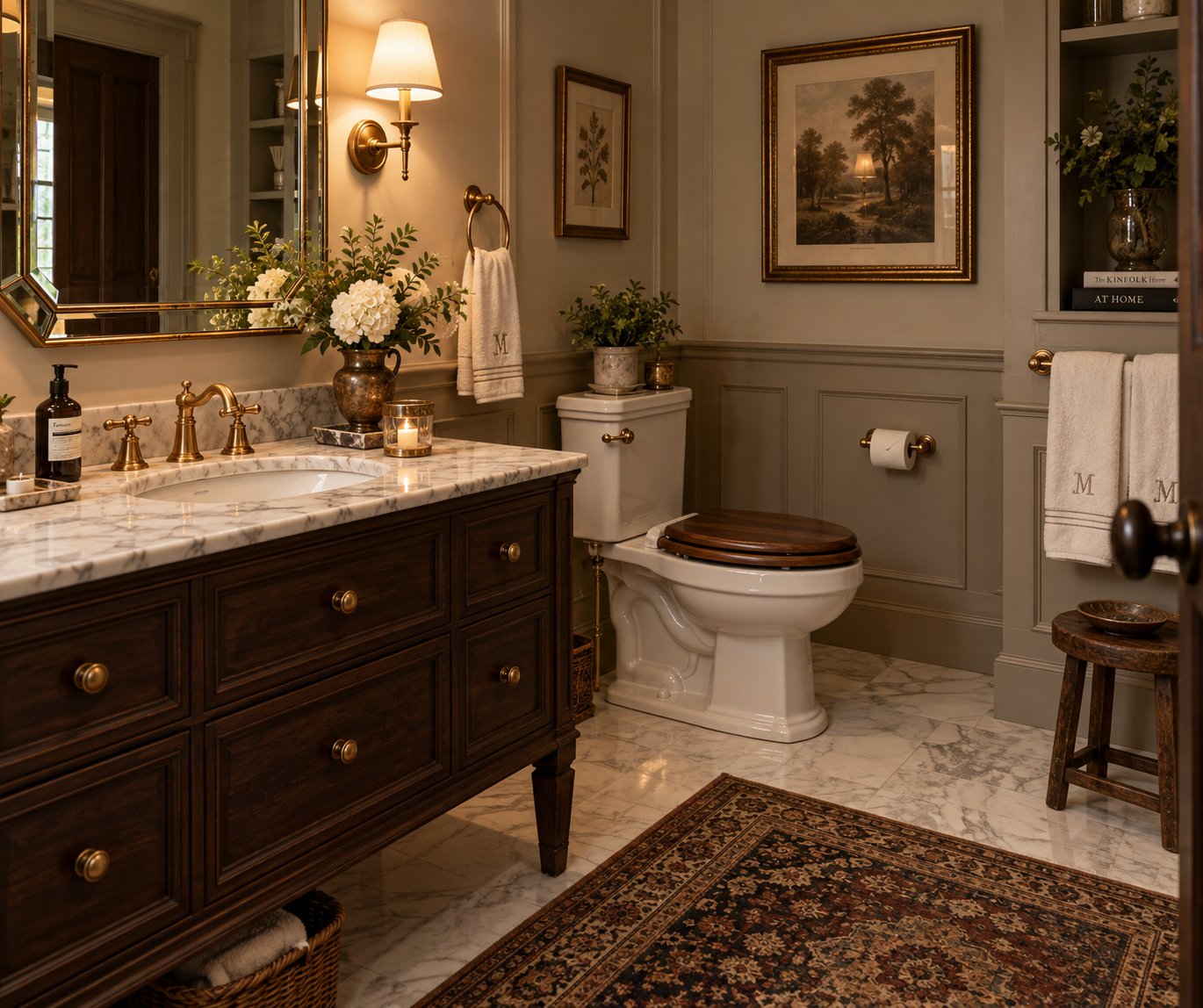
Choosing Wood Tones and Styles for Your Bathroom Design
Function, hygiene, and safety are non-negotiable, but let's be honest: most people start shopping for a wooden toilet seat cover because they want their bathroom to look better. Wood adds warmth, texture, and visual depth that plastic simply cannot deliver. Yet nearly every product page relies on a single lifestyle photo and a color swatch to do the heavy lifting, never explaining which wood tones actually work with which bathroom styles or how the seat shape itself influences the room's visual balance. That gap turns what should be an exciting design choice into a guessing game.
It doesn't have to be. Matching wood tones and seat shapes to your bathroom's existing aesthetic follows the same logic interior designers use for any fixture selection: coordinate undertones, respect the room's style language, and let the proportions guide the silhouette.
Matching Wood Tones to Modern and Traditional Bathrooms
The tone of your wooden seat sets the mood for the entire space, especially in smaller bathrooms where the toilet is one of the most visually prominent fixtures. Different styles call for very different wood choices:
- Modern and Scandinavian: Light oak, natural bamboo, or pale ash tones. These woods pair beautifully with white subway tile, matte black fixtures, and floating vanities. The goal is a clean, airy feel where the wood adds organic warmth without heaviness.
- Traditional and luxury: A dark wood toilet seat in walnut, mahogany, or espresso-stained finishes creates a rich, grounded look. These deeper tones complement brass or brushed gold hardware, marble countertops, and wainscoting. If your bathroom leans classic or vintage-inspired, darker wood signals intention and refinement.
- Rustic and farmhouse: Natural, unfinished, or lightly stained wood with visible grain delivers that lived-in, handcrafted character. Think knotty pine, reclaimed-look finishes, or honey-toned oak. Pair these with shiplap walls, open shelving, and oil-rubbed bronze fixtures for a cohesive aesthetic.
- Transitional: Medium-toned woods like warm maple or golden oak bridge the gap between modern simplicity and traditional detail. A brown toilet seat in a mid-tone finish works as a neutral anchor that adapts gracefully as you update surrounding accessories over time.
- Coastal and spa-inspired: Teak and light bamboo evoke natural, water-adjacent environments. Their golden-to-honey tones complement white and seafoam palettes, woven textures, and stone-look tile.
Notice that brown toilet seats dominate several of these categories, from warm honey shades in farmhouse designs to deep espresso in luxury settings. Brown is the most versatile wood tone family because it spans such a broad spectrum of undertones, from cool ashy browns to warm reddish ambers. A brown toilet seat cover in the right shade can anchor a room or blend quietly into the background depending on how it interacts with the surrounding palette.
One practical tip: hold a sample or swatch of the seat finish next to your vanity, cabinet hardware, and flooring before committing. Wood tones that look perfect in online photos can clash with your bathroom's existing warmth or coolness under actual lighting conditions. A toilet seat brown in a red-undertone cherry, for example, can fight visually with a cool gray-toned vanity, even though both are technically "wood."
Round vs Elongated Shapes and Their Design Impact
Tone is only half the design equation. The seat's shape creates a visual rhythm that either harmonizes with or disrupts the lines of your bathroom. This goes beyond simple fit. According to bathroom design principles outlined in comprehensive toilet shape guides, the bowl silhouette affects how a room feels spatially, not just how the toilet functions.
A round wooden toilet seat carries a compact, softly curved profile that echoes vintage and cottage aesthetics. Its proportions suit smaller bathrooms and powder rooms where a shorter front-to-back projection keeps sight lines open. If your bathroom features pedestal sinks, hexagonal floor tile, or classic chrome fixtures, the understated curve of a wooden round toilet seat feels right at home.
Wood toilet seats elongated in shape deliver a more contemporary, streamlined silhouette. The extended oval complements modern bathrooms with rectangular vanities, linear tile patterns, and wall-mounted fixtures. Elongated seats also tend to look more proportional on larger toilets, preventing that visually "pinched" appearance that a round seat sometimes creates on a bigger bowl. In a primary bathroom where comfort and style both matter, the elongated shape gives you more design flexibility while matching the longer bowl dimensions that most adults prefer for daily use.
Consider the visual weight, too. A dark wood toilet seat in an elongated shape creates a bold, anchoring presence, ideal for larger bathrooms that can absorb the visual mass. The same dark finish on a round seat in a tiny powder room might feel heavy and dominant. Lighter tones on a round wooden toilet seat keep compact spaces feeling open and balanced.
Coordinating Your Seat With Existing Bathroom Finishes
The most polished bathrooms look intentional because every element shares a visual thread. Your wooden seat does not need to match your vanity exactly, but it should feel like part of the same design conversation. Here are the coordination principles that pull a bathroom together:
- Match undertones, not exact shades. A warm-toned oak seat pairs naturally with a warm-toned maple vanity, even if the specific stain colors differ. Mixing warm and cool wood tones in the same small room creates visual tension that reads as accidental rather than designed.
- Complement your metal hardware. Warm wood tones (golden oak, honey bamboo, warm walnut) pair best with brass, gold, and copper fixtures. Cooler or neutral wood tones (gray-washed oak, driftwood, natural teak) work well alongside chrome, brushed nickel, and matte black.
- Use the seat as an accent or a blend. In an all-white bathroom, a rich dark wood seat becomes a striking focal point, the single warm element that anchors the space. In a bathroom already featuring a wooden vanity and wood-framed mirror, a seat in a similar tone family ties the room together without competing for attention.
- Consider the floor. Your wooden seat and flooring should not clash. If your floors are a cool gray tile, a warm reddish-brown seat can feel disconnected. Neutral or similarly toned wood keeps the vertical and horizontal planes in harmony.
Design is ultimately personal, but these principles prevent the most common missteps. A wooden toilet seat cover chosen with tone, shape, and coordination in mind transforms from a functional necessity into a genuine design element, one that ties together all the material science, hygiene, and engineering decisions you have already made. The final step is translating all of this knowledge into a confident purchase, and that requires a clear, prioritized checklist that separates smart buying from impulse regret.
Smart Shopping Checklist for Wooden Toilet Seat Covers
You have spent time learning the materials, finishes, hinge systems, and hygiene realities behind wooden toilet seat covers. That knowledge only pays off if it translates into a confident, regret-free purchase. Too many buyers walk away with a beautiful seat that does not fit their bowl, warps in their climate, or wobbles within months because the hinges were an afterthought. A structured checklist eliminates those pitfalls and puts the right priorities in the right order.
Follow these steps before you click "add to cart" or walk out of the store:
Essential Measurements Before You Buy
- Measure your toilet bowl shape and dimensions first. This is the single most important step, and skipping it is the fastest path to a return. Remove your existing seat, then take three measurements: the distance between the two bolt holes at the rear of the bowl, the widest point across the bowl opening, and the length from the bolt holes to the front tip. Round bowls typically measure around 16.5 inches in length; elongated bowls measure approximately 18.5 inches. An elongated wood toilet seat will not sit properly on a round bowl, and vice versa. Write the numbers down before you start browsing.
- Select the right wood type for your climate and bathroom ventilation. If your bathroom has strong exhaust ventilation and you live in a dry or temperate region, solid hardwood and enameled wood both perform well. If your bathroom is windowless, poorly ventilated, or located in a humid subtropical climate, prioritize enameled wood or molded wood composites with baked-on finishes. Avoid raw or lightly lacquered solid wood in high-humidity environments, as the finish will degrade faster than you expect.
- Evaluate the finish and coating quality. Look beyond the visible top surface. Check whether the manufacturer applies consistent protective coating to the underside of the seat, the inside of the lid, and around the bolt holes. These are the moisture-exposed areas that cheap seats leave unprotected. Baked enamel is the most durable option, followed by marine-grade polyurethane and multi-coat lacquer. If the product listing does not mention the finish type at all, treat that silence as a warning.
- Check hinge material and damper mechanism. The best toilet seats pair stainless steel or brass hinges with purpose-built soft-close dampers. Verify that the listing specifies hinge material rather than just showing a photo. For any seat heavier than three pounds, soft-close functionality is not optional; it protects your porcelain bowl, the seat itself, and anyone in the household with small fingers.
- Verify weight capacity and structural claims. Solid hardwood and molded composites handle heavier loads more reliably than MDF. If the product page includes a weight rating, compare it against your household's actual needs. If no rating appears, contact the manufacturer before purchasing, especially for a heavy-duty application.
- Assess the manufacturer's warranty. A confident manufacturer backs their product. Look for warranties that cover the finish, hinge mechanism, and structural integrity separately. A one-year warranty on a seat that should last five to ten years signals that the manufacturer does not expect it to last, either.
Common Mistakes That Lead to Returns and Regrets
Even informed buyers fall into predictable traps. Here are the most common errors that lead to disappointment, returns, or premature replacements:
- Buying without measuring the bowl shape. This accounts for a staggering number of returns. A gorgeous walnut seat means nothing if it overhangs a round bowl by two inches or leaves gaps on an elongated one. A few millimeters off and the seat will rock or sit unevenly, no matter how good it looked online.
- Ignoring hinge quality in favor of appearance alone. The wood finish catches your eye, but the hinges do the daily work. Plastic hinges on a heavy oak seat will loosen and wobble within months. Always check hinge material before committing to a purchase based on aesthetics.
- Choosing unfinished or lightly sealed wood for high-humidity bathrooms. A beautiful natural-grain seat installed in a steamy, ventilation-poor bathroom is a warranty claim waiting to happen. Match the finish durability to your actual bathroom conditions, not to your ideal Pinterest board.
- Overlooking soft-close functionality on heavy wood seats. A wooden lid that slams generates enough impact force to chip porcelain and crack the seat's own finish over time. Skipping soft-close to save a few dollars creates far more expensive problems down the road.
- Confusing the fixing type. As bathroom fixture guides note, top-fix and bottom-fix seats are not interchangeable in all situations. Back-to-wall and wall-hung toilets require top-fix seats. Check your toilet's fixing type before ordering, or you will end up with hardware that simply cannot attach.
- Assuming all wood seats are maintained the same way. Enameled wood, solid hardwood, and MDF each require different care routines. Using bleach on a lacquered oak seat or soaking an MDF seat during cleaning accelerates the exact deterioration you are trying to prevent.
What Separates a Premium Wood Seat From a Budget One
Walk through any home improvement store and you will find wooden seats ranging from entry-level to high-end. The price difference is obvious. The reason behind it is less so. Understanding what actually drives quality helps you identify great toilet seats without overspending, and avoid a budget toilet seat that costs more in replacements than a better option would have upfront.
Three factors consistently separate the best rated toilet seats from forgettable ones:
1. Construction quality and material integrity. Premium seats use molded wood or solid hardwood with consistent density throughout. Budget alternatives often rely on thin MDF with minimal protective coating. You can feel the difference immediately: a quality seat has uniform weight distribution, no hollow spots, and edges that feel smooth and fully sealed. The best toilet seat material for long-term performance is either a properly enameled molded wood composite or a dense hardwood with marine-grade finish, both of which resist moisture penetration and maintain structural stability for years.
2. Hinge engineering and damper calibration. This is the detail that separates a top rated toilet seat from one that starts wobbling after six months. Budget seats frequently use generic, one-size-fits-all soft-close dampers originally designed for lightweight plastic lids. When bolted to a heavier wood or MDF seat, these under-specified dampers either fail to slow the lid adequately or lose their damping force within a year. Premium manufacturers invest in purpose-built damper technology matched to the seat's actual weight and material. Components like Tianyun's MDF / Metal Damper, for example, are engineered specifically for MDF, wooden, resin, and metal seat structures, allowing manufacturers to calibrate custom torque settings that deliver consistent soft-close performance across thousands of cycles. The OEM mounting design flexibility means different brands can integrate this calibrated damping without compromising their own seat geometry. When you are evaluating any wooden seat, ask whether the damper is designed for that seat's material and weight class. If the answer is vague or the listing simply says "soft close" without detail, you are likely looking at a generic mechanism that will not hold up to the demands of a heavy wood lid.
3. Finish durability and coverage completeness. The best toilet seats apply protective finish to every surface, including the underside, edges, and bolt-hole interiors. Budget models often coat only the visible top surfaces, leaving moisture-exposed areas vulnerable. This shortcut saves the manufacturer pennies per unit and costs you the entire seat when water infiltrates the unprotected core from below.
Here is a practical way to think about it: a budget toilet seat at the lowest price point might last one to two years in a typical bathroom before the finish wears, the hinges loosen, or moisture finds an unprotected entry point. A well-constructed seat with matched damper technology, sealed surfaces, and quality hinge hardware can deliver eight to ten years of reliable daily use. Spread across that lifespan, the premium option is almost always the more economical choice.
Armed with this checklist, you can walk into any purchase with clear criteria, specific questions to ask, and the confidence to distinguish genuine quality from polished marketing. The best toilet seat for your home is not the most expensive one or the prettiest one. It is the one where the material, finish, hardware, and damper system are all engineered to work together in your specific bathroom environment, day after day, for years to come.
Frequently Asked Questions About Wooden Toilet Seat Covers
1. Is a wooden toilet seat more hygienic than a plastic one?
It depends on the surface finish rather than the base material. A raw, unsealed wood seat is porous and can harbor bacteria in its grain. However, an enameled or properly sealed wooden toilet seat creates a non-porous barrier that performs comparably to plastic in hygiene tests. Some hardwoods like teak and oak even contain natural antimicrobial compounds that actively inhibit bacterial growth. The key is ensuring the protective coating remains intact through regular inspection and gentle cleaning with mild, non-abrasive products.
2. How long does a wooden toilet seat cover typically last?
Lifespan varies significantly by material and maintenance. A well-sealed solid hardwood or enameled wood seat can last 10 to 15 years with proper care, including routine cleaning with mild soap, periodic hardware tightening, and finish inspections every few months. MDF seats with quality coatings generally last 3 to 5 years under normal conditions. Factors like bathroom humidity, ventilation quality, and cleaning product choices all influence durability. Using harsh chemicals like bleach or allowing standing water on the surface will shorten any wooden seat's lifespan considerably.
3. What is the difference between enameled wood and solid wood toilet seats?
Enameled wood seats use a core of compressed wood fibers (molded wood) coated with a baked-on enamel finish that creates a hard, smooth, moisture-resistant shell. Solid wood seats are crafted from natural timber like oak, teak, or bamboo and rely on applied sealants such as polyurethane or varnish for moisture protection. Enameled wood requires less maintenance and resists staining better, while solid wood offers visible natural grain and a more traditional aesthetic. Solid wood seats typically need periodic resealing, whereas enameled models maintain their factory finish for years.
4. Why is a soft-close mechanism important for wooden toilet seats?
Wooden seats weigh two to three times more than plastic alternatives, often reaching 5 to 7 pounds. When dropped without a soft-close damper, that weight generates enough impact force to chip porcelain bowl rims, crack the seat's own finish, and create a slamming hazard for small children's fingers. Quality soft-close dampers use silicone oil to absorb kinetic energy and slow the lid's descent over several seconds. Purpose-built dampers, like Tianyun's MDF / Metal Damper designed for wood and MDF structures, allow manufacturers to calibrate torque settings matched to the seat's actual weight, ensuring smooth, consistent performance across thousands of cycles.
5. Can I use bleach to clean a wooden toilet seat?
No. Bleach is highly corrosive to wood finishes and enamel coatings, causing discoloration, cracking, and accelerated deterioration of the protective barrier. Ammonia-based cleaners and abrasive powders should also be avoided. Instead, use a soft cloth dampened with pH-neutral dish soap diluted in warm water for daily cleaning. For disinfection, a brief application of 3% hydrogen peroxide wiped on and dried within a minute effectively kills common bathroom pathogens without damaging the finish. Always dry the seat completely after cleaning to prevent moisture from settling into seams or edges.
Apply This Insight to Your Project
Tell us what you are building and how the topic “Wooden Toilet Seat Cover: What Nobody Tells You Before You Buy” relates to your application. Our engineering team can help evaluate the next step.