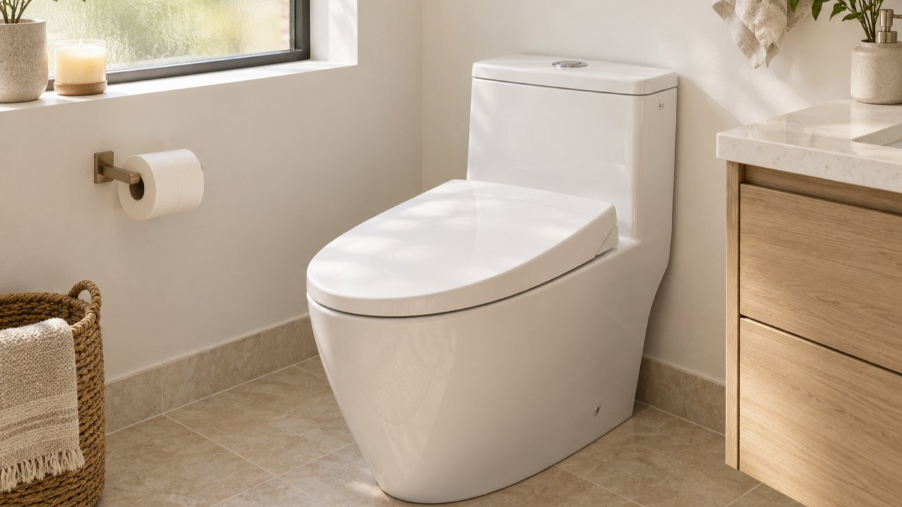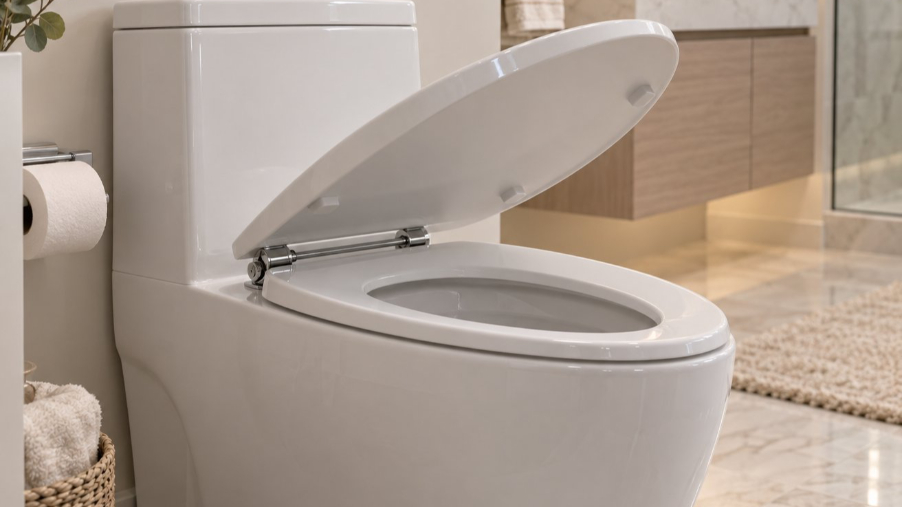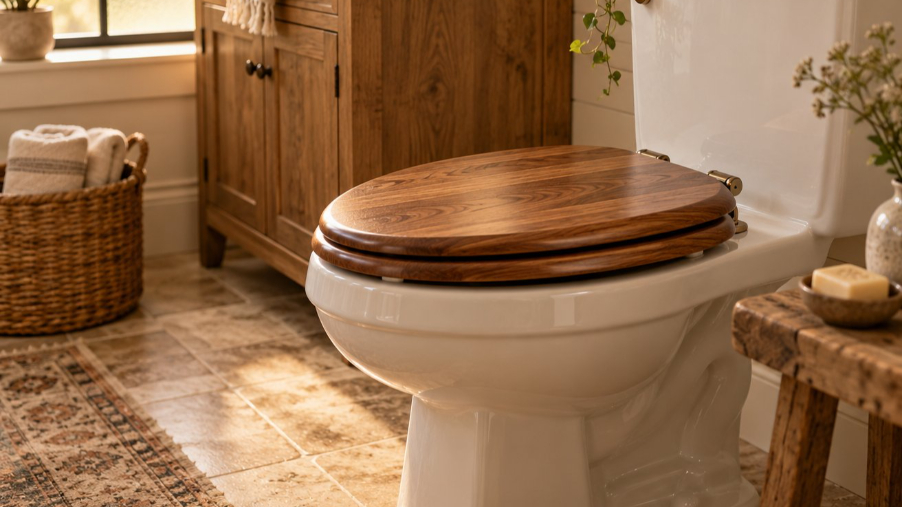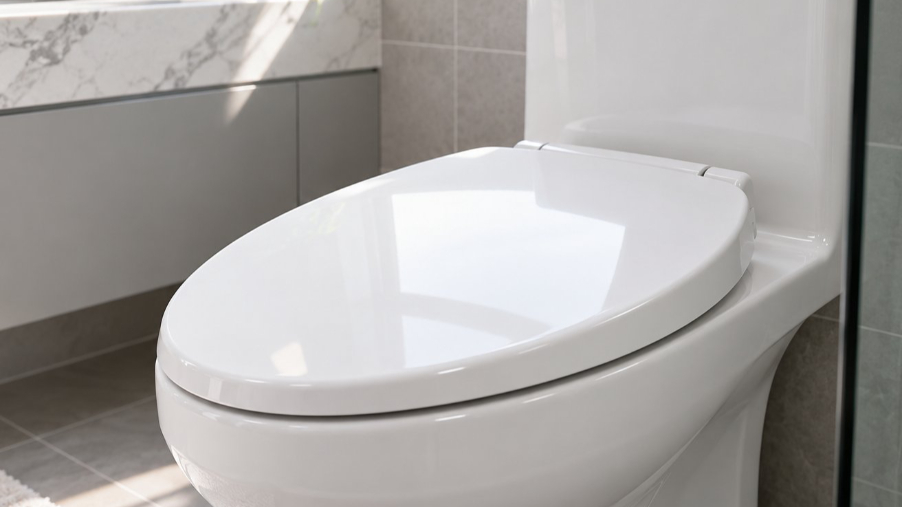
What Is an Elongated Toilet Seat and Why It Matters
Ever stood in a home-improvement aisle staring at two nearly identical white toilet seats, wondering which one actually fits your bowl? You are not alone. The answer almost always comes down to one distinction: elongated versus round. An elongated toilet seat is designed for an oval-shaped bowl that extends farther from the wall than its circular counterpart, delivering extra seating surface and a more contemporary look. If your home was built or remodeled after the 1970s, there is a strong chance you already have an elongated bowl — it has become the dominant style across North American bathrooms.
What Makes a Toilet Seat Elongated
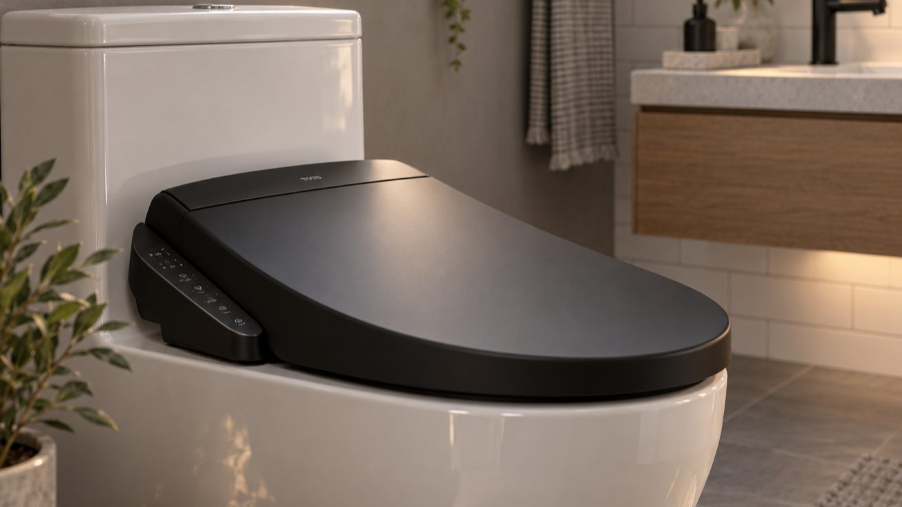
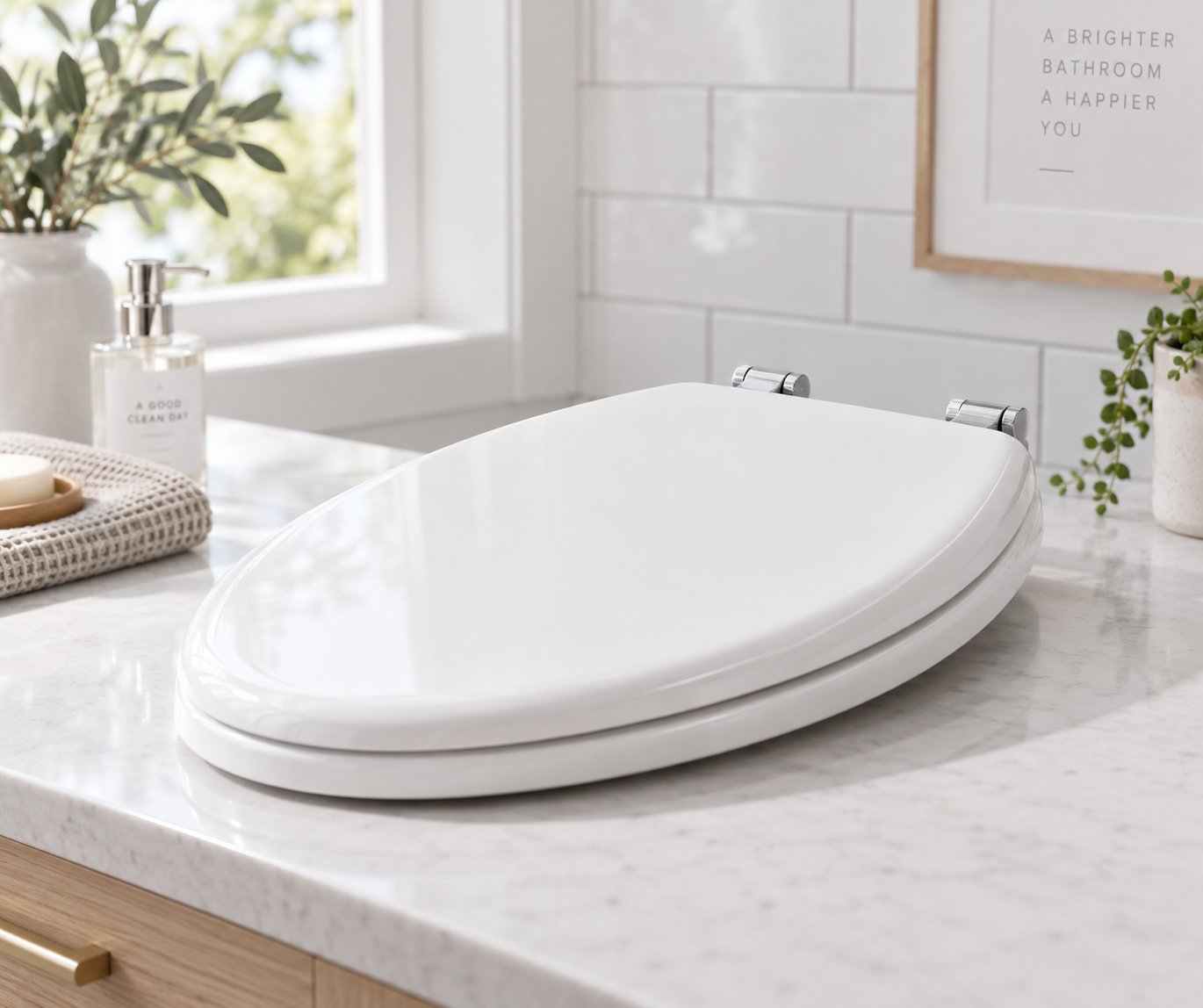
The term "elongated" describes the bowl shape itself, not a specific brand or product line. You will also see it called oblong or oval in product listings, but all three labels point to the same geometry: an egg-shaped opening that is noticeably longer from back to front than a standard round bowl. That added length — roughly two extra inches — translates into meaningful comfort upgrades. Elongated toilet seats provide broader thigh support, a larger hygiene surface area that reduces mess, and easier access for individuals with limited mobility. These advantages explain why builders and designers now spec elongated bowls in everything from master suites to guest bathrooms. An elongated toilet lid also tends to complement modern bathroom aesthetics, giving the fixture a sleek, streamlined profile that pairs well with contemporary vanities and tile work.
Standard Dimensions You Should Know
Picking the right toilet seat elongated white starts with three simple numbers. The table below puts elongated and round measurements side by side so you can confirm your bowl type at a glance.
| Measurement | Elongated | Round |
|---|---|---|
| Bolt holes to front of bowl | ~18.5 inches (470 mm) | ~16.5 inches (419 mm) |
| Width at widest point | 14 – 16 inches (355 – 406 mm) | 14 – 16 inches (355 – 406 mm) |
| Bolt-hole spread (center to center) | 5.5 inches (standard) | 5.5 inches (standard) |
You will notice that width and bolt spread are usually identical between the two shapes. The real differentiator is that front-to-back length — and it is the single measurement that determines whether you need an elongated or round seat. Because all elongated bowls share the 18.5-inch standard, nearly every elongated toilet lid on the market will fit, which simplifies shopping considerably. Comfort is another reason elongated toilet seats dominate: the longer bowl provides extra room that is especially appreciated by toilet seats for large people or anyone who simply values a more spacious seating area.
Quick rule: if your bowl measures roughly 18 to 18.5 inches from the center of the bolt holes to the front rim, you need an elongated seat. If it measures around 16.5 inches, you need a round seat.
Shape confirmation, however, is only half the equation. Even after you know you need an elongated seat, there is a surprisingly tricky variable waiting in the wings — the shade of white your bowl actually is. Not every "white" is the same white, and a mismatch can make a brand-new seat look oddly out of place the moment you install it.
Elongated vs Round Toilet Seats Compared
Before you worry about matching the perfect shade of white, you need to be absolutely certain you are shopping for the correct bowl shape. An oblong toilet seat and a round one may look similar on a store shelf, but put the wrong type on your bowl and it will either hang over the rim or leave an awkward gap at the front. A quick visual test makes the call easy: stand over your toilet and look straight down. If the front of the bowl curves outward into an egg or oval shape, you have an elongated fixture. If the front rounds off into a near-perfect circle, it is a round bowl.
Shape and Comfort Differences at a Glance
Comfort, space, and intended use all shift depending on which shape you are working with. The table below breaks down the practical differences so you can compare them side by side.
| Feature | Elongated | Round |
|---|---|---|
| Bowl length (bolt holes to front) | ~18.5 inches | ~16.5 inches |
| Width at widest point | 14 – 16 inches | 14 – 16 inches |
| Recommended minimum room depth | 30+ inches from wall to obstruction | 25+ inches from wall to obstruction |
| Comfort rating | Higher — more thigh support and seating area | Adequate — compact but functional |
| Best suited for | Master baths, family baths, ADA-compliant spaces | Powder rooms, half-baths, tight layouts |
| Heavy duty toilet seat availability | Wide selection with reinforced options | Limited high-capacity models |
You will notice that width is nearly identical between the two shapes, which is why the front-to-back measurement remains the deciding factor. Elongated bowls shine in spacious bathrooms where comfort is a priority, while round bowls earn their place in compact spaces where every inch of floor clearance matters. If you need a heavy duty toilet seat rated for higher weight capacities, the elongated category offers far more choices with reinforced hinges and thicker seat rings.
Are Elongated Toilet Seats Universal
Here is a question that trips up many first-time buyers: can you grab any toilet seat elongated and trust it will fit your bowl? The short answer is no. While most elongated seats share a standard bolt-hole spread of 5.5 inches, that alone does not guarantee a perfect match. Bowl contours, rim width, and even the curvature of the seat's underside vary from one manufacturer to the next. A seat designed for one brand's elongated bowl may wobble slightly or overhang unevenly on another brand's fixture.
The safest approach is to measure your specific bowl — length, width, and bolt spread — before ordering. Even small deviations of a quarter inch can create visible misalignment that looks sloppy and feels unstable. This is especially true when mixing brands, so treat measuring as a non-negotiable first step rather than an optional one.
Elongated and round seats are never interchangeable. Even within the elongated category, contour and bolt-hole placement can differ by manufacturer, so always measure before you buy.
Measuring, though, is only useful if you know exactly which dimensions to capture and what each number tells you. A flexible tape measure and about sixty seconds are all it takes to get definitive answers.
How to Measure Your Toilet for an Elongated Seat
Imagine you have found a gorgeous white elongated seat online, added it to your cart, and had it delivered to your door — only to discover it rocks side to side or sticks out past the bowl rim like a mismatched puzzle piece. That frustration is entirely avoidable. Sixty seconds with a tape measure will tell you everything you need to know before replacing a toilet seat, and the process requires zero plumbing experience.
Tools You Need Before You Start
You do not need a toolbox for this step. Grab two things:
- A flexible tape measure — a soft sewing tape or a standard retractable steel tape both work. A flexible tape conforms to the bowl curve more easily, but either type will give you an accurate reading.
- A pencil or marker — jot your numbers on a sticky note or directly on the porcelain (it wipes off). Writing the measurements down prevents the classic mistake of walking into a store and second-guessing whether you remember 18.5 or 16.5 inches.
That is genuinely it. No wrenches, no levels, no special gauges. Lift the seat and lid out of the way, and you are ready to start.
Three Measurements That Guarantee a Perfect Fit
Every elongated toilet bowl shares a handful of critical dimensions, and capturing three of them eliminates virtually all guesswork. Follow these steps in order:
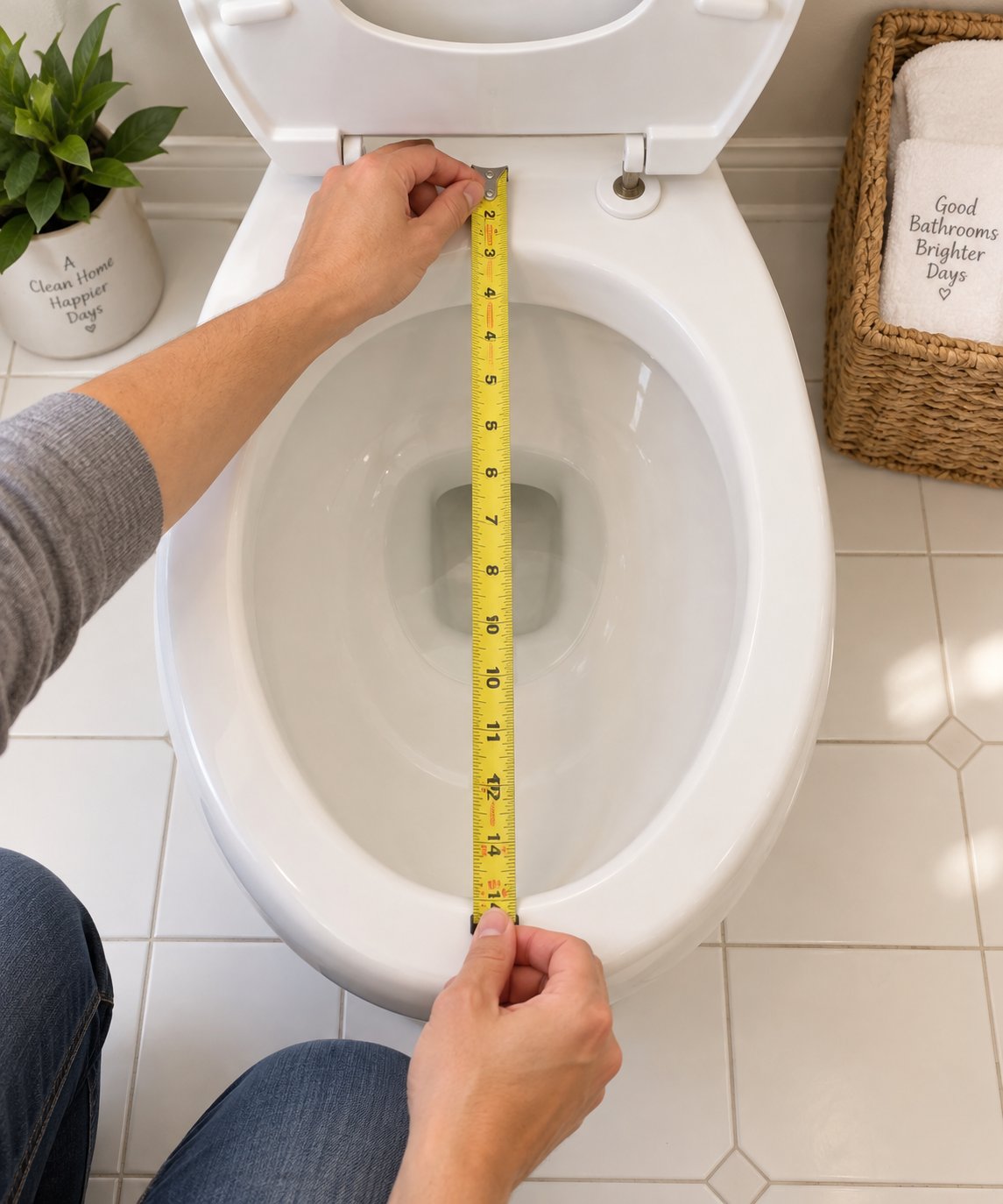
- Measure from the center of the bolt holes to the front edge of the bowl. Raise the seat, locate the two mounting holes at the back of the rim, and place the end of your tape at the midpoint between them. Stretch the tape straight forward to the very tip of the bowl's front rim. This single number is the most important one — it tells you whether your bowl is elongated or round. A reading near 18.5 inches indicates an elongated bowl, while roughly 16.5 inches points to a round bowl.
- Measure the bowl width at its widest point. Place the tape across the top of the bowl opening from the left inner rim to the right inner rim at the widest spot. Most elongated toilet bowls fall between 14 and 16 inches here. This reading helps you rule out compact-elongated or specialty-width models that might look standard online but will not align with a full-size seat.
- Measure the distance between the two bolt-hole centers. Set the tape from the center of one mounting hole to the center of the other. The standard bolt spread across nearly all residential toilets is 5.5 inches. If your measurement differs significantly — say 6 inches or more — you may have an older or European-style fixture that requires specialty mounting hardware. Confirming this number before ordering saves you from a return trip to the store.
What Each Measurement Tells You
Think of these three numbers as a quick diagnostic. The front-to-back length confirms shape — elongated or round. The width flags any unusual bowl proportions that could prevent a standard seat from sitting flush. And the bolt spread verifies that the seat's hinge brackets will line up with your bowl's mounting holes without modification. Together, they form a foolproof fit profile that applies whether you are shopping for a basic white seat, an elongated bidet toilet seat with integrated wash features, or a heavy-duty model rated for higher weight capacities.
If your front-to-back length falls between 18 and 18.5 inches, an elongated seat is the correct choice. If it measures around 16.5 inches, choose a round seat instead.
One common pitfall worth flagging: do not measure from the back of the tank or from the rear edge of the seat itself. Always start at the center point between the bolt holes. Measuring from the wrong reference point is the most frequent mistake homeowners make, and it can throw your reading off by two or more inches — enough to send you home with the completely wrong shape.
With your three numbers written down, you have eliminated the biggest buying risk. The next challenge is subtler but equally important: making sure the white shade of your new seat actually matches the white shade of your existing bowl, because "white" turns out to be far less straightforward than it sounds.
Understanding White Shade Variations for Toilet Seats
Here is where most buyers get blindsided. You have measured your bowl, confirmed it is elongated, and ordered a crisp white elongated toilet seat that looks perfect in the product photo. It arrives, you snap it onto the hinges, step back — and something feels off. The seat looks slightly blue against the bowl, or the bowl suddenly appears yellowish next to the seat. The culprit is not a defective product. It is a shade mismatch, and it happens far more often than you might expect.
"White" in the toilet industry is not a single, universal color. Every manufacturer formulates its own version, and the differences — while subtle on a screen — become glaringly obvious once two mismatched whites sit side by side on the same fixture. A toilet seat elongated white labeled simply "White" by one brand may carry a cool, blue-leaning undertone, while another brand's "White" skews slightly warm or creamy. Add in shades like Cotton White, Bone, Biscuit, and Linen, and the spectrum widens considerably.
Common White Shade Names Across Manufacturers
The table below maps out the most frequently used shade names you will encounter when shopping for a white elongated toilet seat. Matching the undertone description to your existing bowl is the fastest way to narrow your search before spending a dollar.
| Shade Name | Undertone | Visual Description |
|---|---|---|
| White (Bright White) | Cool / blue-cool | Closest to pure paper white; crisp and stark under daylight |
| Cotton White | Neutral to slightly warm | Softer than bright white with a barely perceptible cream hint |
| Bone | Yellow-warm / almond | Noticeably warmer; resembles a light tan or dark ivory |
| Biscuit | Warm-cream | Between white and bone; a gentle, buttery warmth |
| Linen | Gray-warm / muted | Carries a faint grayish or oatmeal cast; understated warmth |
Notice how close some of these descriptions sound on paper. The gap between Cotton White and Biscuit, for instance, may seem tiny in words — yet on a toilet bowl under bathroom lighting, that gap can look like two entirely different colors. If your household includes anyone who is particular about design details, even a one-shade-off mismatch will be hard to ignore. This is especially true for a toilet seat for big people or any larger-profile seat, because the greater surface area amplifies the contrast between mismatched whites.
Tips for Matching Your Existing Toilet
So how do you figure out which "white" your toilet actually is? Start inside the tank. Lift the tank lid and look for a manufacturer stamp, model number, or date code molded into the porcelain. Most major brands print this information on the inside wall or near the waterline. Once you have the model number, a quick search on the manufacturer's website — or even a call to their customer service line — will reveal the exact shade that model shipped with.
A practical trick borrowed from experienced plumbers and fixture suppliers: hold a plain white sheet of paper against the bowl under natural light. If the porcelain matches the paper closely, you likely have a bright or standard white. If the bowl looks slightly gray or warm compared to the paper, you are probably dealing with a Cotton White, Biscuit, or Bone variant. This simple paper test works surprisingly well and costs nothing.
A few more pointers to lock in the right shade:
- View samples in daylight, not under store lighting. Fluorescent and LED fixtures in retail stores shift color temperature and can make a Cotton White seat look identical to a Bright White one. Step outside or hold the sample near a window before deciding.
- Stick with the same brand when possible. A seat made by your toilet's manufacturer is the safest path to a seamless color match, because both pieces were formulated from the same pigment batch or recipe.
- Beware of aging. If your toilet is ten or fifteen years old, the porcelain may have shifted slightly from its original shade due to mineral deposits or UV exposure. A brand-new seat in the "correct" shade can still look a touch brighter than the aged bowl — cleaning the bowl thoroughly before comparing helps close that visual gap.
When in doubt, match the brand first and the shade name second. An exact manufacturer match nearly always delivers the most consistent color pairing for any white elongated toilet seat.
Color, of course, is only skin deep. Beneath that white finish sits the material itself — and the type of plastic or wood used to make the seat has a direct impact on how long that white stays white, how the seat feels when you sit down, and how well it holds up to daily use.
Material Options for Elongated White Toilet Seats
Pick up two elongated white seats from a store shelf — one feather-light, the other surprisingly heavy — and you will immediately sense that the material underneath that white finish matters as much as the shade itself. The substance a seat is made from determines how it feels against your skin, how resistant it is to scratches and stains, and whether that bright white surface will still look fresh three years from now or gradually yellow into something you would rather replace. Five material categories dominate the market, and understanding their trade-offs puts you in a much stronger position before you buy.
Polypropylene and Urea-Formaldehyde Explained
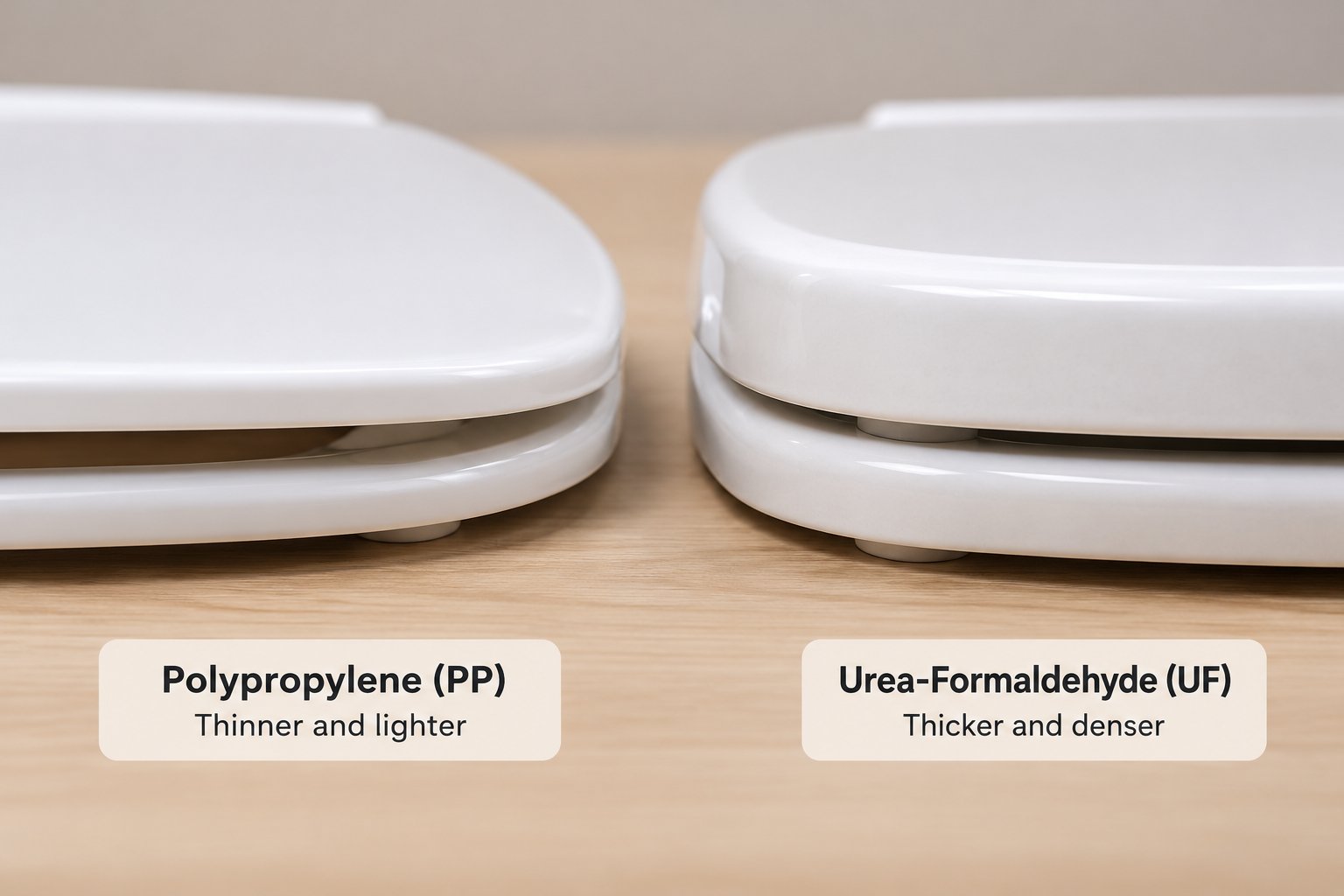
The two materials you will encounter most often in a toilet seat elongated white are polypropylene (PP) and urea-formaldehyde (UF, sometimes marketed as duroplast). They serve different needs, and choosing between them is often the single biggest decision that affects both toilet seat cost and long-term satisfaction.
Polypropylene (PP) is a semi-crystalline thermoplastic widely used in food containers and medical devices, which speaks to its safety and chemical resistance. A PP seat is lightweight — easy to handle during installation — and naturally resistant to moisture, acids, and common bathroom cleaners. It accepts bright-white pigmentation consistently, so color matching with your bowl is straightforward. Price is where PP truly shines: most retail PP seats fall in the $15 to $40 range, making them the go-to material for budget-conscious residential projects. The trade-off? PP is softer than UF, which means it is more prone to surface scratches over time. It can also yellow with prolonged UV exposure, a concern if your bathroom gets direct sunlight.
Urea-formaldehyde (UF) takes a different approach. Manufactured by compressing resin powder under high temperature and pressure, a UF seat emerges with a dense, rock-hard surface that feels remarkably similar to ceramic. Pick one up and you will notice the weight difference immediately — that heft is a byproduct of the compression process and a sign of the material's durability. UF resists scratches, stains, and bacterial growth far better than PP, and its color stability under UV light is notably superior. The finish stays glossy longer, which is why UF is favored in commercial restrooms, hotels, and any high-traffic bathroom where a large toilet seat or tall toilet seat needs to endure constant use without looking worn. Expect to pay roughly $20 to $70 for a quality UF seat, a modest bump in toilet seat cost that many homeowners consider well worth the upgrade.
Both PP and UF accept precise white pigmentation during manufacturing, which ties directly back to the shade-matching discussion. Whether you need a Bright White or a Cotton White, either material can be formulated to hit the target tone — so your material choice does not limit your color options.
How Material Choice Affects Long-Term Performance
Beyond PP and UF, you will also find thermoset plastics, solid wood, and enameled wood on the market. Each fills a specific niche. The comparison table below lays out the key performance factors across all five categories so you can weigh them at a glance.
| Material | Weight | Scratch Resistance | UV / Yellowing Resistance | Ease of Cleaning | Typical Price Range |
|---|---|---|---|---|---|
| Polypropylene (PP) | Light | Moderate — surface can mark over time | Low to moderate — may yellow with sun exposure | Excellent — smooth, non-porous surface | $15 – $40 |
| Urea-Formaldehyde (UF / Duroplast) | Heavy | High — hard, ceramic-like surface resists marks | High — color-stable under prolonged light exposure | Excellent — dense surface discourages bacterial growth | $20 – $70 |
| Thermoset Plastic | Medium | Moderate to high | Moderate | Very good — resists most household cleaners | $25 – $60 |
| Solid Wood | Heavy | Low to moderate — susceptible to dents | Low — requires finish maintenance | Fair — needs periodic resealing to prevent moisture damage | $40 – $100+ |
| Enameled Wood | Heavy | Moderate — enamel layer protects but can chip | Moderate — enamel resists yellowing but chips expose wood | Good when enamel is intact; degrades if chipped | $35 – $80 |
A few patterns jump out from this comparison. Wood and enameled wood deliver a warm, traditional feel and genuine heft, but they demand more maintenance — moisture infiltration can cause warping or swelling over time, and a chipped enamel surface becomes a magnet for stains. Thermoset plastics land in the middle ground: harder than PP, easier to maintain than wood, yet generally lacking the ceramic-like density of UF. For a mainstays toilet seat in most households, the real contest is between PP and UF.
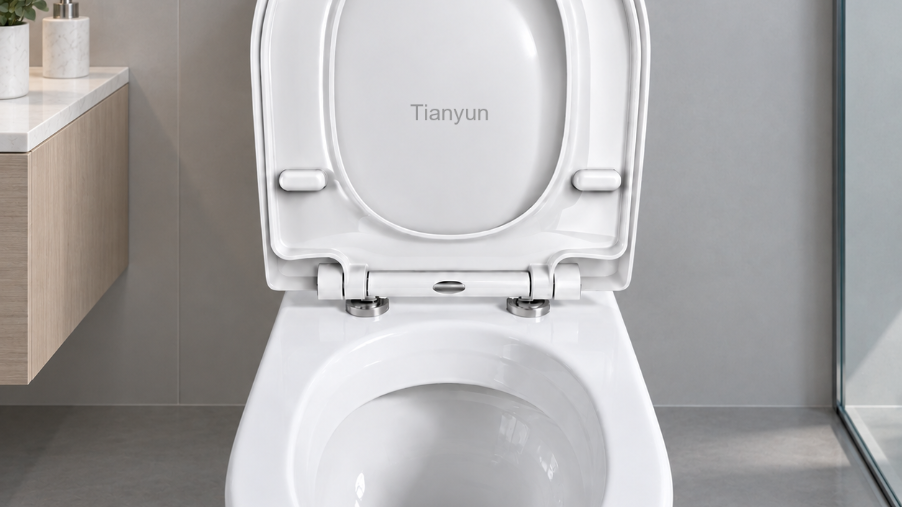
Professional-grade PP and UF seat covers — such as those manufactured by Tianyun — are designed specifically for sanitaryware brands and OEM programs. These production-ready covers can be paired with matched dampers, hinges, and fixing systems under one roof, which streamlines material selection and ensures that every component, from the soft-close mechanism to the bolt hardware, is engineered to work together. For buyers and product specifiers managing color consistency across large orders, that kind of integrated sourcing eliminates the guesswork of mixing parts from multiple vendors.
UF is ideal for high-traffic or commercial bathrooms where scratch resistance and color stability justify the higher price. PP suits budget-conscious residential projects without sacrificing hygiene performance.
Material choice, however, only tells part of the story. Even the most durable UF seat will disappoint if its hinges slam shut every night or its mounting hardware makes cleaning a chore. The features built into the seat — slow-close dampers, quick-release brackets, antimicrobial coatings — are what separate a basic seat from one that genuinely improves daily life.
Must-Have Features in a Modern Elongated Toilet Seat
A seat made from the right material is a solid start — but material alone does not determine how pleasant or frustrating the seat is to live with day after day. Two elongated white seats can be molded from identical UF resin yet feel worlds apart in everyday use, simply because of the hardware and design features built into each one. Hinges, dampers, mounting brackets, and surface treatments are the details that transform a basic seat into one you genuinely appreciate every time you close the lid or wipe down the bowl. Knowing which features matter most helps you skip the bargain-bin regrets and land on a seat that earns its place in your bathroom for years.
Slow-Close and Quiet-Close Mechanisms
Picture this: it is two in the morning, someone uses the bathroom, and the lid crashes down onto the porcelain with a bang that echoes through the house. Slow-close technology — also marketed as quiet-close or whisper-close — eliminates that scenario entirely. Integrated dampers control the lid's descent so it glides down gently on its own, taking roughly five to eight seconds to settle without any hand-holding from the user. Beyond the obvious noise reduction, this controlled motion protects the porcelain rim from hairline cracks and chips caused by repeated slamming, which is especially important on a heavy duty elongated toilet seat where the seat ring itself carries extra weight.
Not all slow-close systems are created equal, though. You will find two main engineering approaches:
- External damper hinges — the damping cylinders are visible on the outside of the hinge post. They are effective and easy to replace, but the exposed hardware can collect grime and looks bulkier, which may not appeal to buyers shopping for decorative elongated toilet seats with clean, minimal profiles.
- Internal piston-style dampers — the mechanism is hidden inside the hinge barrel. This design delivers a sleeker appearance and protects the damper from cleaning-product exposure, typically extending its lifespan. The trade-off is a slightly higher price point and limited field-serviceability if the damper eventually wears out.
For most households, internal dampers strike the best balance of aesthetics and durability. If you have young children who love flipping lids, the slow-close function alone can justify a modest price bump over a basic seat.
Quick-Release Hinges and Easy-Clean Design
Anyone who has scrubbed around the bolt holes at the back of a toilet seat knows the frustration: grime builds up in tight crevices that a sponge simply cannot reach while the seat is bolted in place. Quick-release hinges — sometimes called easy-clean hinges — solve this problem by letting you detach the entire seat from the bowl in seconds. Flip open the hinge caps, press a release button, and lift the seat straight off. The mounting area is now fully exposed for thorough wiping. Slide the seat back on, secure the caps, and you are done. Even a huge toilet seat with a reinforced frame can use this system, because the release mechanism is built into the hinge bracket rather than the seat body.
When you combine quick-release access with a slow-close lid, you get a seat that is both quieter and cleaner — two qualities that matter even more on a white surface where every smudge and stain is visible. Here is a checklist of features worth prioritizing as you compare models:
- Slow-close lid and seat (both components should dampen independently)
- Quick-release or easy-detach hinges for full-access cleaning
- Non-slip bumpers on the underside to prevent lateral shifting and protect the bowl finish
- Antimicrobial coating that inhibits bacterial growth between cleanings
- Color-stable, UV-resistant finish to prevent yellowing on white surfaces over time
That last point deserves emphasis. A white seat magnifies every flaw — yellowing, scratches, and discoloration show up far more readily than on darker finishes. Features like UV-resistant pigmentation and antimicrobial surface treatment are not luxury add-ons; on a white elongated seat, they are practical necessities that keep the seat looking new long after installation.
Features and materials address comfort and longevity, but they assume a standard user and a standard bathroom. What happens when the seat needs to support significantly more weight, or when accessibility requirements enter the equation? Those scenarios call for a different set of priorities entirely.
Weight Capacity and Accessibility for Elongated Seats
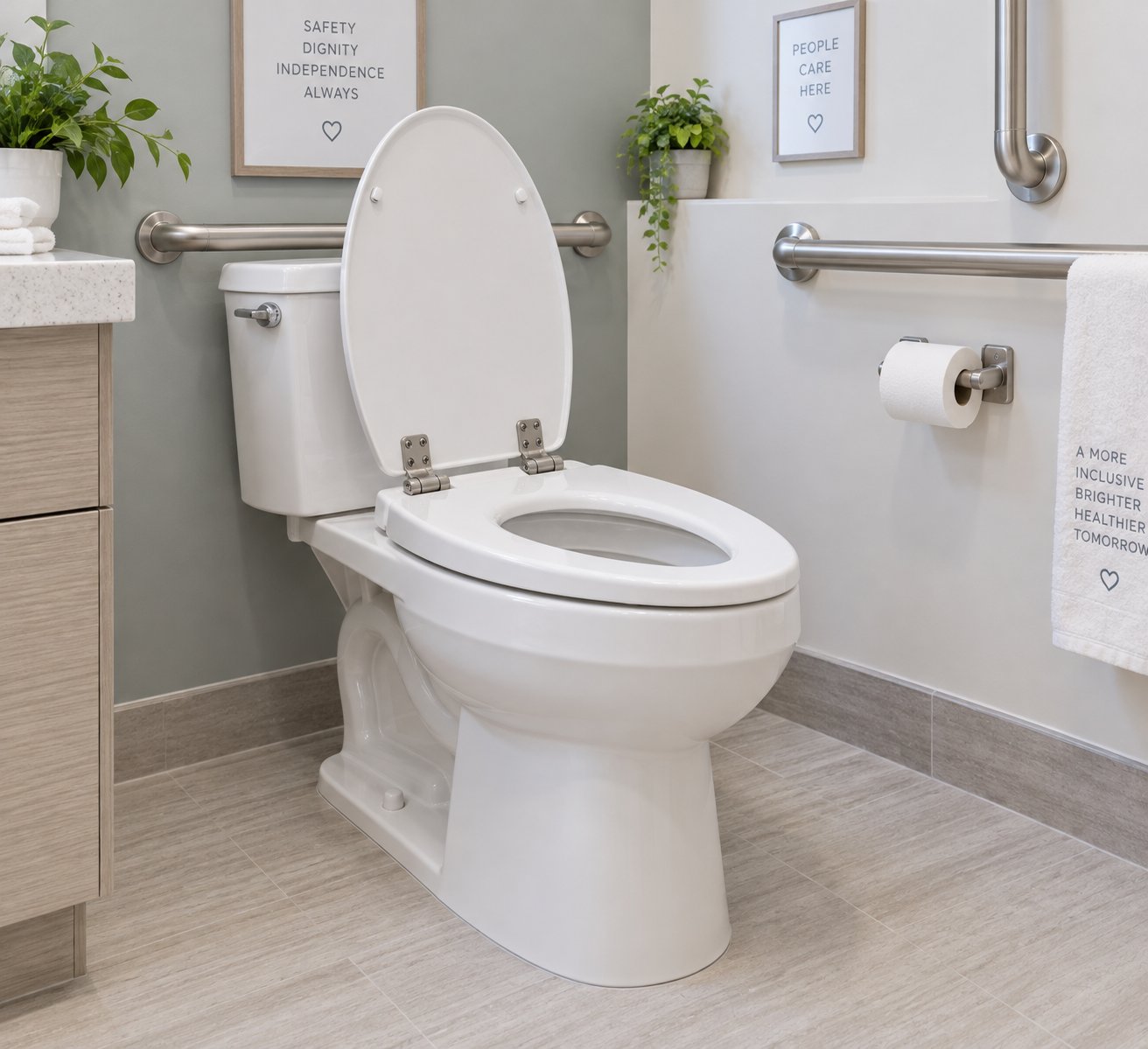
Standard slow-close hinges and quick-release brackets are wonderful quality-of-life upgrades — until the seat itself cannot handle the load placed on it. Most homeowners never think about weight capacity because the typical residential elongated seat supports around 300 pounds, which covers the majority of users without issue. But "most" is not "all." Households with members who exceed average weight, commercial restrooms that serve a wide range of visitors, and healthcare environments all demand something sturdier. Understanding what separates a standard seat from a heavy-duty or oversized toilet seat — and why accessibility standards favor the elongated shape — helps you choose a product that performs safely for everyone in the home.
Heavy-Duty Construction for Added Confidence
What actually changes inside a seat when the weight rating jumps from 300 pounds to 500 or even 800 pounds? It is not just a bolder number printed on the packaging. According to mobility-equipment testing frameworks, moving between capacity tiers typically means genuinely different engineering underneath — heavier-gauge frame material, reinforced or additional mounting points, and in many cases a wider seating base.
Three construction upgrades do the heavy lifting, quite literally:
- Reinforced hinges — Standard plastic or zinc-alloy hinges flex under heavy loads, leading to cracking or snapping at the pivot point. Heavy-duty models replace these with stainless-steel or solid-brass hinge posts that distribute stress over a broader surface area.
- Thicker seat rings — A standard seat ring might measure 1 to 1.5 inches thick. Heavy-duty versions increase that to 2 inches or more, adding rigidity and reducing flex. The denser cross-section also resists the hairline cracks that eventually develop in thinner seats under repeated stress.
- Metal-bolt mounting systems — Budget seats often ship with nylon bolts that are adequate for lighter loads but can strip or shear under concentrated force. Stainless-steel bolts with metal washers and lock nuts create a mounting system that holds firm over thousands of sit-down cycles.
How do you know whether you — or someone in your household — actually needs a heavy-duty seat? Watch for these signs:
- Frequent seat cracking, especially along the hinge line or at the front edge of the ring
- Loose or stripped mounting bolts that keep needing retightening
- Household members whose weight approaches or exceeds the 250–300 pound range
- Commercial or public restroom deployment, where a wide variety of users means the seat encounters peak loads more often
- Visible flex or bowing when someone sits down — the seat should feel solid, not springy
If any of those descriptions sound familiar, a toilet seat elongated slow close model rated for 400 pounds or higher will immediately solve the problem and, just as importantly, prevent the porcelain damage that can result from a seat failure.
Accessibility and ADA Considerations
Weight capacity is only one piece of the accessibility picture. For individuals using wheelchairs, walkers, or mobility aids, the shape and height of the toilet itself play an equally critical role in safe, independent bathroom use. This is where the elongated bowl earns a clear advantage over its round counterpart.
ADA-compliant restroom installations generally favor elongated bowls because the extra two inches of front-to-back length gives users more room to position themselves during lateral transfers from a wheelchair. That additional surface area also benefits caregivers who assist with transfers — there is simply more room to work with, reducing the risk of slips or awkward positioning. Are elongated toilet seats universal across every ADA setup? Not automatically, but the elongated shape is the strongly preferred baseline in accessible design for exactly these ergonomic reasons.
Height matters just as much as shape. A comfort-height bowl — sometimes called a "right height" or "chair height" model — positions the rim at 17 to 19 inches from the finished floor, compared to the standard 15 inches. Pairing an elongated seat with a comfort-height bowl creates the most accessible combination available without installing a separate riser or lift device. The higher seating position reduces the knee-bend angle required to sit and stand, which is beneficial for anyone with limited hip or knee mobility, recovering from surgery, or simply dealing with the natural stiffness that comes with aging.
Even if your household does not currently require ADA-level accommodations, choosing a heavier-duty elongated seat delivers tangible benefits that go beyond supporting higher body weight.
Choosing a heavy-duty elongated seat is not just about weight — it also extends service life for any household by providing more robust hardware and mounting stability that resist loosening, cracking, and wear far longer than standard components.
Think of it this way: the reinforced hinges, thicker ring, and metal bolts that allow a seat to support 500 pounds also mean the seat barely notices the daily routine of a 180-pound user. Every component operates well within its limits, which translates to fewer repairs, less wobble over time, and a seat that still feels tight and solid years after installation. For a white seat — where cracks and chips are visually impossible to hide — that structural resilience doubles as cosmetic insurance.
Knowing which weight rating and accessibility features you need rounds out the selection criteria. The remaining question is purely practical: how do you actually get the old seat off and the new one on without calling a plumber?
Step-by-Step Installation of an Elongated Toilet Seat
Good news: you do not need a plumber, a YouTube tutorial on repeat, or even a particularly handy disposition. Swapping out an elongated toilet seat is one of the simplest bathroom upgrades you can tackle, and most people finish the entire job in under ten minutes with a single tool. Whether you are installing affordable toilet seats picked up on sale or a premium slow-close model you have been eyeing for months, the process is identical. Below is every step, laid out in the order you will actually perform them.
Removing the Old Elongated Seat
Before anything else, give the old seat and the bowl rim a quick wipe-down. Working with a clean surface is more pleasant and helps you spot the hardware more easily. Then follow these steps:
- Locate the bolt caps at the back of the seat. Look at the rear of the bowl where the seat hinges meet the porcelain. You will see two small covers — sometimes round plastic caps, sometimes flat snap-on shields — sitting directly over the mounting bolts. These caps are purely cosmetic and hide the bolt heads underneath.
- Pry or flip the caps open. Most caps pop open with a fingernail or a flat-head screwdriver gently wedged under the lip. Some newer models have caps that simply flip up on a small hinge. Set the caps aside if they are removable; you will not reuse them, but keeping them out of the way prevents them from falling into the bowl.
- Hold the nut underneath the bowl while unscrewing the bolt from above. Reach under the back of the bowl rim and feel for the nut threaded onto each bolt. Grip the nut with your fingers or an adjustable wrench, then turn the bolt head counterclockwise from above using a screwdriver or socket. If the bolts are corroded, rusted, or simply will not budge, spray them with penetrating oil and wait five to ten minutes before trying again. In extreme cases, a small hacksaw can cut through a stubborn bolt without damaging the porcelain — just go slowly and keep the blade angled away from the bowl surface.
- Lift the old seat off and clean the mounting area. With both bolts removed, the entire seat and hinge assembly lifts straight up and off the bowl. Underneath, you will almost certainly find a buildup of grime, mineral deposits, or old rubber residue around the bolt holes. Scrub this area thoroughly with a bathroom cleaner and a stiff brush or old toothbrush. Starting with a clean mounting surface ensures your new seat sits flat and stable from day one.
That is the hard part — and it was not very hard at all. If the bolts cooperated, you likely spent three minutes or less. Recycle the old seat if your municipality accepts hard plastics; otherwise, bag it up for regular waste disposal.
Installing the New Seat Step by Step
Unbox your new toilet seats elongated model on a clean countertop or towel so small parts do not roll away. Every seat ships with its own mounting hardware, and confirming everything is present before you start saves a frustrating mid-install pause. Here is the installation sequence:
- Unpack the new seat and confirm all hardware is present. You should find the seat and lid (sometimes pre-attached, sometimes separate), two mounting bolts, two nuts, and possibly washers or rubber gaskets. Quick-release models may include hinge brackets that mount independently. Lay everything out and compare it to the parts list in the instruction sheet.
- Thread the bolts through the seat hinge and into the bowl mounting holes. Align the hinge brackets over the two bolt holes at the back of the bowl. Drop each bolt down through the hinge hole and into the corresponding hole in the porcelain, bolt head on top. If your hardware includes rubber gaskets or washers, slide them onto the bolt between the hinge and the porcelain — they cushion the connection and prevent the hinge from scratching the bowl surface.
- Hand-tighten the nuts from below. Reach under the bowl rim and thread a nut onto each bolt, turning clockwise. Snug them by hand until the seat feels lightly anchored but can still slide a fraction of an inch left or right. You want this play because the next step is alignment.
- Center the seat on the bowl and verify even overhang on both sides. Close the lid and look at the seat from the front. The oval of the seat should mirror the oval of the bowl with roughly equal overhang on the left and right edges. If one side sticks out farther than the other, nudge the seat into position while the bolts are still slightly loose. This is also a good moment to check that the front of the seat does not extend past the front tip of the bowl — a sign the seat may be the wrong size despite similar dimensions.
- Snug the bolts with a wrench — avoid overtightening to prevent cracking porcelain. Once the seat is centered, use an adjustable wrench or pliers to tighten the nuts from below while holding the bolt head steady from above. Turn each nut a quarter-turn at a time, alternating between left and right to keep pressure even. Stop as soon as the seat feels firm and does not shift when you press down on it. Porcelain is strong under compression but brittle under point loads, so cranking the bolts too hard can crack the mounting area — a costly mistake that no amount of plumber's putty can undo.
- Test the slow-close function and adjust if needed. Raise the lid to its full upright position and release it. It should glide down steadily and come to rest without a sound. Do the same with the seat ring. If either component drops too quickly or does not close fully, check the hinge adjustment — many slow-close seats have a tension screw or a seated position that needs to click into place. A quick consult of the manufacturer's instruction card usually resolves any quirk in under a minute.
Open and close the lid a few times, give the seat a firm side-to-side jiggle, and sit down to confirm everything feels stable. If you chose a quick-release model, test the detach-and-reattach mechanism now so you are comfortable using it during future cleanings. That is the entire installation — no special skills, no leftover mystery parts, and no oval toilet bowl damage if you followed the tightening guidance above.
The entire job typically requires only a wrench and ten minutes, making professional help unnecessary for most homeowners.
With the new seat locked in place and the slow-close lid whispering shut exactly the way you imagined, the final piece of the puzzle is keeping that bright white finish looking pristine. Daily habits, cleaning-product choices, and a little UV awareness go a long way toward preventing the yellowing and staining that can slowly undo all the effort you just invested.
Maintenance and Care to Keep White Seats Looking New
That freshly installed white seat looks flawless right now — crisp, bright, and perfectly matched to your bowl. Fast-forward six months without the right care routine, though, and you might notice a faint amber tinge creeping in around the edges, or dull gray scuff marks where the seat ring meets the bumpers. White is unforgiving. Every stain, every chemical reaction, every streak of hard-water residue shows up like a highlighter on a blank page. The good news? Keeping your toilet bowl seat looking showroom-new requires very little effort — just the right products, the right habits, and an awareness of the one environmental factor most homeowners never think about.
Daily and Weekly Cleaning Best Practices
You do not need a cabinet full of specialty sprays. A simple two-tier routine — quick daily wipe-downs and a slightly more thorough weekly clean — handles the vast majority of buildup before it becomes visible or permanent.
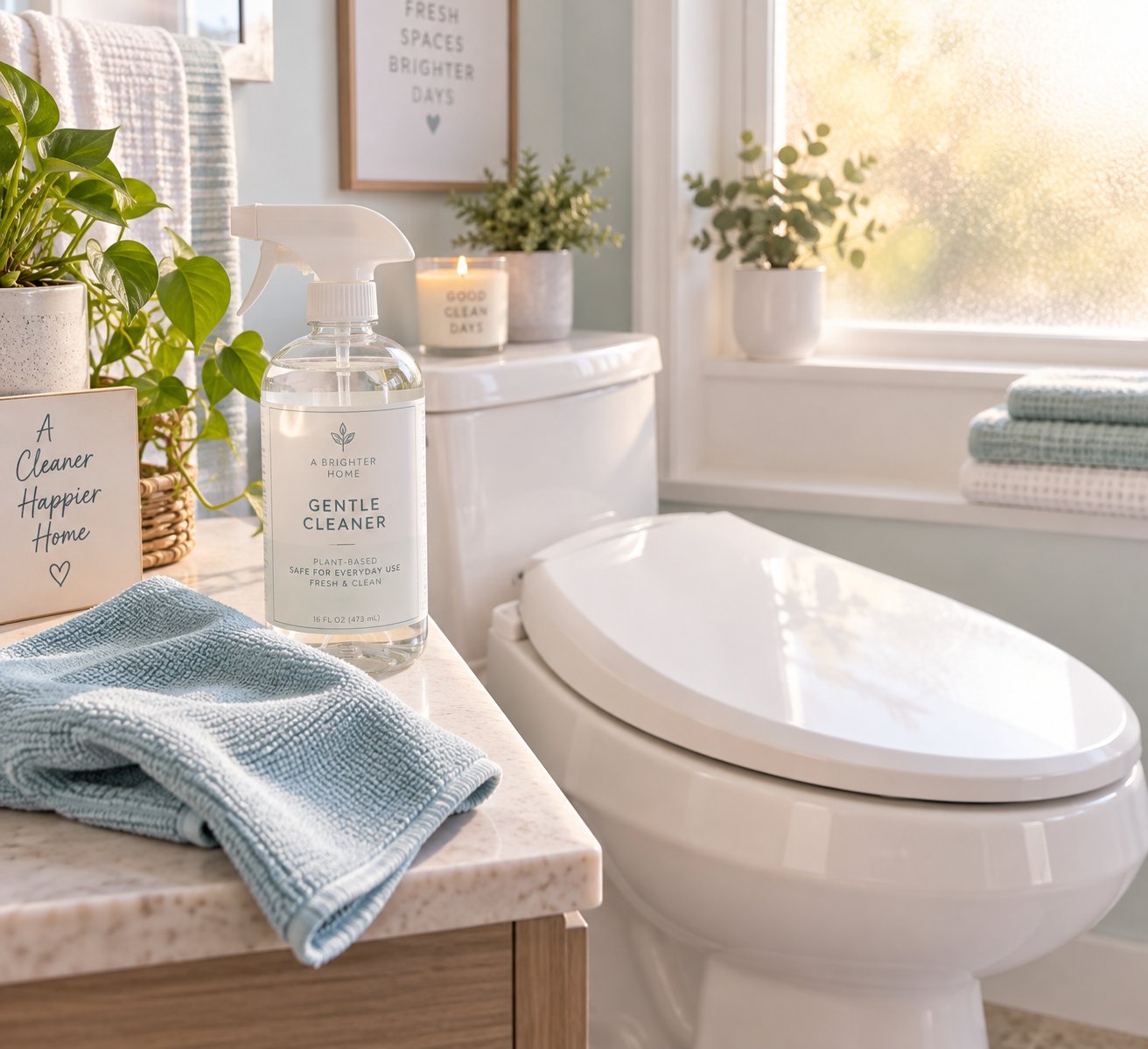
Daily maintenance takes under a minute. Dampen a soft cloth or microfiber towel with warm water and a few drops of mild dish soap, then wipe down the top of the lid, the seat ring, and the underside of the seat where splashes accumulate. Rinse the cloth, wipe again to remove soap residue, and you are done. This simple pass prevents body oils, dust, and micro-splashes from settling into the surface texture, which is where long-term discoloration begins. If you have a quick-release seat, you do not even need to detach it for a daily wipe — just lift the lid and seat upright and clean in place.
Weekly deep cleaning goes one step further. Pop the seat off the bowl if it has quick-release hinges, exposing the mounting area and the underside of the hinge brackets — prime real estate for hidden grime. Apply a non-abrasive cream cleanser to a damp sponge and work it across every surface, paying special attention to the hinge recesses, bumper pads, and the inner rim of the seat ring. Rinse thoroughly with clean water and dry with a towel to prevent water spots. Reattach the seat, and the entire job wraps up in about three minutes. Even a budget toilet seat responds beautifully to this routine, because you are removing contaminants before they have a chance to bond with the finish.
What matters just as much as what you do use is what you avoid. Certain products that seem perfectly suited for bathroom cleaning can actually damage a white seat's surface over time. Stay away from the following:
- Bleach-heavy formulas — Concentrated bleach can chemically attack urea-formaldehyde (UF) surfaces, dulling the gloss and accelerating yellowing. Diluted bleach in small amounts is less harmful, but pH-neutral cleaners are always the safer choice.
- Abrasive powders — Scouring powders like traditional cleanser grit leave micro-scratches that trap dirt and dull the seat's sheen, especially on softer polypropylene (PP) seats.
- Steel wool or rough scrub pads — These create visible scratch patterns on any seat material, giving stains a textured surface to grip.
- Ammonia-based sprays — Ammonia can strip protective coatings and react with certain plastic formulations, causing cloudy patches or a chalky feel that no amount of buffing will fix.
When in doubt, check the cleaner's label for the words "non-abrasive" and "pH-neutral." Those two qualities cover you regardless of whether your seat is PP, UF, thermoset, or enameled wood. A Mansfield elongated toilet seat, for example, follows the same cleaning guidelines as any other brand — the material matters far more than the logo stamped on the hinge.
Preventing Yellowing on White Seats
Yellowing is the number-one cosmetic complaint homeowners have about white toilet seats, and it tends to creep in so gradually that you do not notice it until a visitor's fresh eyes — or a new roll of white toilet paper sitting on the tank — makes the contrast impossible to ignore. Two culprits are responsible for nearly every case: ultraviolet light and harsh cleaning chemicals.
UV exposure breaks down the molecular bonds in both PP and UF plastics, triggering a photochemical reaction that shifts the surface color from bright white toward amber or pale yellow. If your toilet sits near a window that receives direct sunlight for several hours a day, the seat is essentially sunbathing — and just like skin, it shows the effects over time. The fix is straightforward: apply UV-filtering window film to any bathroom window that throws direct light onto the fixture. These films are inexpensive, easy to install, and block the specific wavelengths responsible for plastic degradation without noticeably darkening the room. A frosted privacy film that doubles as a UV filter is an especially practical choice for bathrooms.
Chemical yellowing happens when aggressive cleaners — particularly those high in chlorine or oxidizing agents — react with the seat's surface resin. The discoloration may appear uniform across the entire seat or show up in streaky patterns that mirror your wiping motion. Switching to a pH-neutral bathroom cleaner eliminates this risk almost entirely. Look for enzyme-based or plant-derived formulas that break down organic residue without attacking the plastic itself.
Material selection plays a significant role here, too. Higher-grade UF seats resist yellowing substantially better than economy PP models, thanks to their denser molecular structure and superior UV stabilizers mixed into the resin during manufacturing. If your bathroom has unavoidable sun exposure and you want a seat that holds its color for years rather than months, UF is the clear winner — a point worth revisiting from the material-selection guidance covered earlier in this article. A quality UF seat paired with pH-neutral cleaning and basic UV protection can look virtually unchanged five or more years after installation.
Pair a pH-neutral cleaner with UV-filtering window film, and your white elongated seat will resist yellowing far longer than one cleaned with bleach in a sun-drenched bathroom.
Maintenance keeps your seat looking pristine, but it also closes the loop on every decision you have made up to this point — shape, measurements, shade, material, features, weight rating, and installation. The only step left is pulling all of those factors together into a clear, repeatable framework you can follow the next time you or someone you know needs to choose the right seat.
Choosing the Right Elongated White Seat for Your Needs
Nine decisions stand between you and a seat that fits perfectly, matches flawlessly, and lasts for years. Scattered across product pages and plumbing forums, those decisions can feel overwhelming — but lined up in the right order, they form a simple, repeatable checklist that works whether you are a homeowner replacing a single seat or a product specifier sourcing thousands of oblong toilet seat covers for a new hotel project.
Your Elongated White Toilet Seat Decision Checklist
Follow this sequence from top to bottom. Each step builds on the one before it, so skipping ahead risks a mismatch you will only discover after the packaging is in the recycling bin.
- Measure bolt-to-front length to confirm the elongated shape. Place your tape at the center point between the two mounting holes and stretch it to the bowl's front tip. A reading near 18 to 18.5 inches confirms you need a long toilet seat — the elongated category. Around 16.5 inches means round, and if you land closer to 15 inches you may be dealing with a compact or juvenile fixture that requires a 15 inch toilet seat instead.
- Check bolt spread. Verify the center-to-center distance between mounting holes. The residential standard is 5.5 inches; anything wider signals specialty hardware.
- Identify your toilet's white shade. Find the manufacturer stamp inside the tank, look up the model, and confirm whether it shipped as Bright White, Cotton White, Biscuit, or another variant. Hold a sheet of paper against the bowl under natural light for a quick visual cross-check.
- Choose PP for budget or UF for durability. Polypropylene keeps costs low and cleans easily. Urea-formaldehyde delivers a ceramic-like feel, superior scratch resistance, and better color stability — a worthwhile upgrade for any high-traffic bathroom.
- Prioritize slow-close and quick-release features. A slow-close lid protects porcelain and eliminates slamming noise. Quick-release hinges make deep cleaning effortless. Together, they represent the single biggest quality-of-life upgrade on a toilet seat oval or elongated.
- Verify the weight rating meets household needs. Standard seats handle roughly 300 pounds. If you need an oversize toilet seat rated for 400 to 800 pounds, look for reinforced hinges, thicker seat rings, and stainless-steel bolt systems that extend service life for every user — not just heavier ones.
Run through those six steps and you will eliminate virtually every common buying mistake — wrong shape, wrong shade, wrong material, missing features, or inadequate capacity.
Where to Source Quality Seats and Components
For homeowners, retail channels — both brick-and-mortar and online — offer a broad range of ready-made elongated white seats from well-known brands. Match your toilet's manufacturer when possible for the tightest color consistency, and use the measurement data you collected to filter results quickly.
The sourcing equation looks different for sanitaryware brands and OEM manufacturers. Managing material selection, hinge integration, damper specification, and color consistency across production runs is far more efficient when handled through a single component supplier rather than pieced together from multiple vendors. Tianyun's PP and UF seat cover line is built for exactly this workflow — elongated white seat covers paired with matched dampers, hinges, and fixing systems under one program, giving brands a production-ready, soft-close-ready toilet seat package without the complexity of multi-source coordination.
Armed with the right measurements and material knowledge, finding the perfect elongated white toilet seat is straightforward whether you are a homeowner upgrading a single bathroom or a product specifier managing an entire sanitaryware line.
Frequently Asked Questions About Elongated White Toilet Seats
1. Are elongated toilet seats universal and interchangeable?
No. While most elongated seats share a standard 5.5-inch bolt spread, bowl contours, rim widths, and hinge curvatures vary across manufacturers. A seat built for one brand's elongated bowl may wobble or overhang unevenly on another. Always measure the bolt-to-front length, the bowl width at its widest point, and the bolt-hole center-to-center distance before purchasing. Even a quarter-inch deviation can cause visible misalignment.
2. How do I know if my toilet needs an elongated or round seat?
Place a tape measure at the midpoint between the two mounting bolt holes and extend it to the very front edge of the bowl rim. If the reading is approximately 18 to 18.5 inches, your toilet requires an elongated seat. A measurement around 16.5 inches indicates a round bowl. This single front-to-back length is the most reliable way to confirm bowl shape, regardless of brand or model.
3. Why does my new white toilet seat look different from my white toilet bowl?
Manufacturers produce multiple white shades with distinct undertones. Bright White leans cool and blue, Cotton White is neutral with a faint cream hint, and Biscuit carries a warm buttery tone. A mismatch occurs when the seat and bowl come from different shade families. To avoid this, find the model number stamped inside your tank, look up the exact shade it shipped with, and order a seat in that same shade — ideally from the same manufacturer for the closest pigment match.
4. What is the difference between PP and UF toilet seat materials?
Polypropylene (PP) is lightweight, chemically resistant, and budget-friendly, typically priced between $15 and $40. It can yellow with prolonged UV exposure. Urea-formaldehyde (UF) is compressed under high heat and pressure, producing a dense, ceramic-like seat that resists scratches, stains, and UV-driven yellowing far better than PP. UF seats generally cost $20 to $70. Suppliers like Tianyun offer both PP and UF seat covers paired with matched dampers, hinges, and fixing systems, simplifying sourcing for brands and OEM programs.
5. How do I prevent my white elongated toilet seat from yellowing?
Two main culprits cause yellowing: ultraviolet light and harsh cleaning chemicals. Apply UV-filtering window film to any bathroom window that casts direct sunlight onto the toilet. Switch to pH-neutral, non-abrasive cleaners and avoid concentrated bleach, ammonia-based sprays, and scouring powders. Choosing a UF seat over an economy PP model also helps, as UF contains superior UV stabilizers that maintain color integrity for years longer.
Apply This Insight to Your Project
Tell us what you are building and how the topic “Not All Whites Match: Choosing Your Toilet Seat Elongated White” relates to your application. Our engineering team can help evaluate the next step.