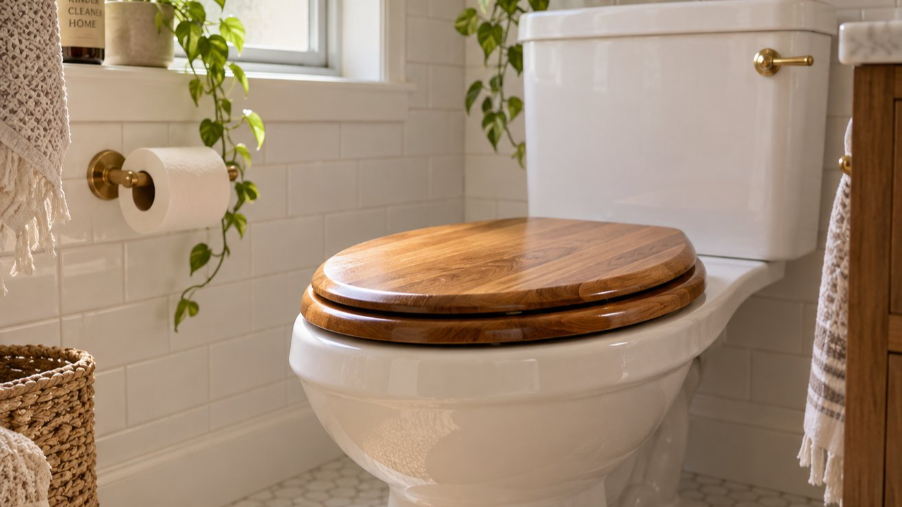
What Is a Toilet Seat Cover With Bidet
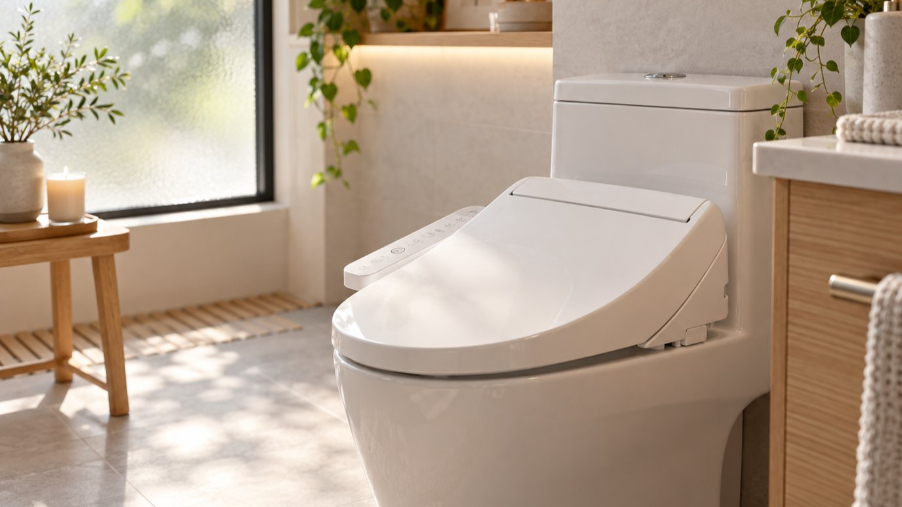
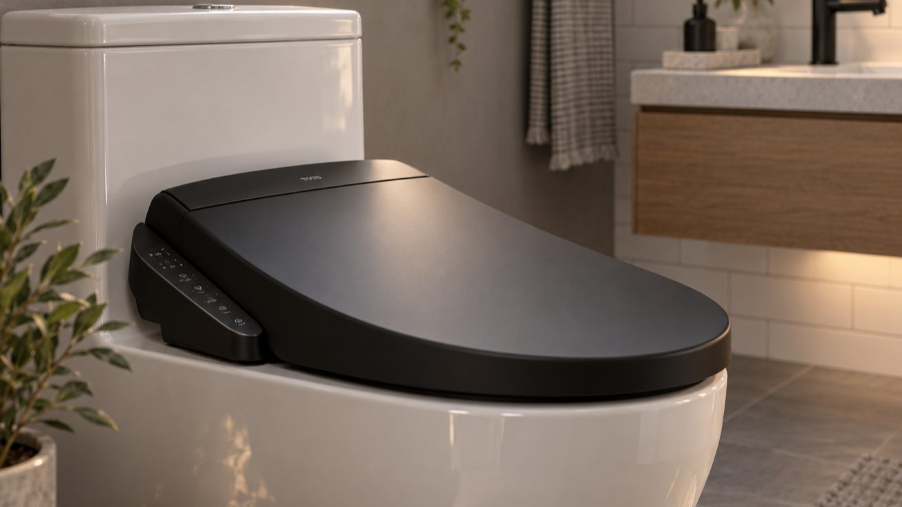
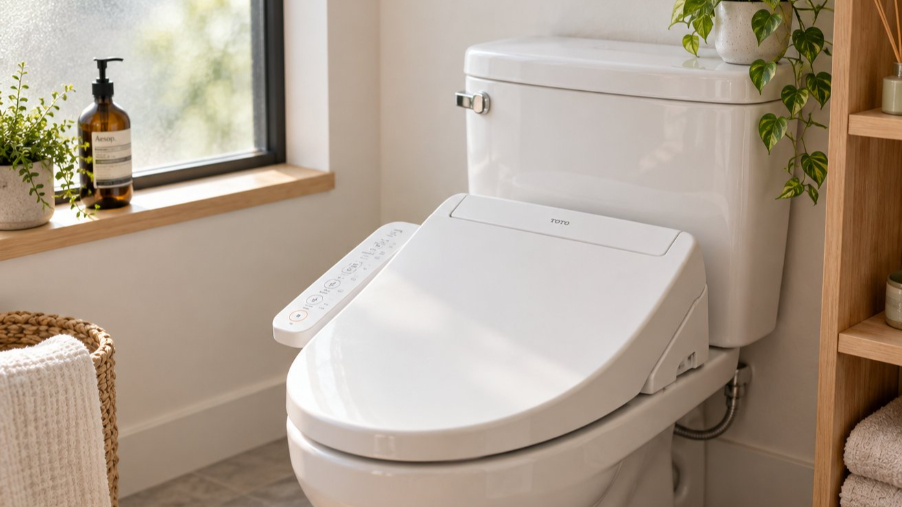
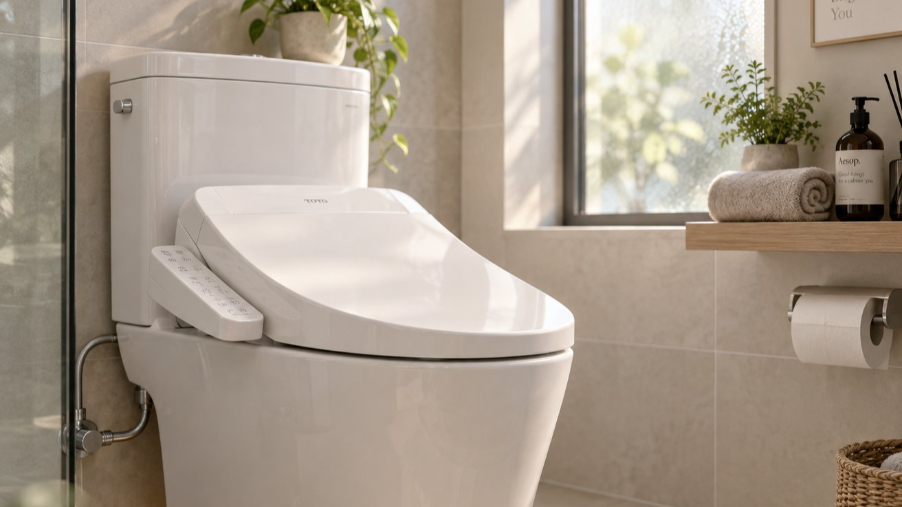
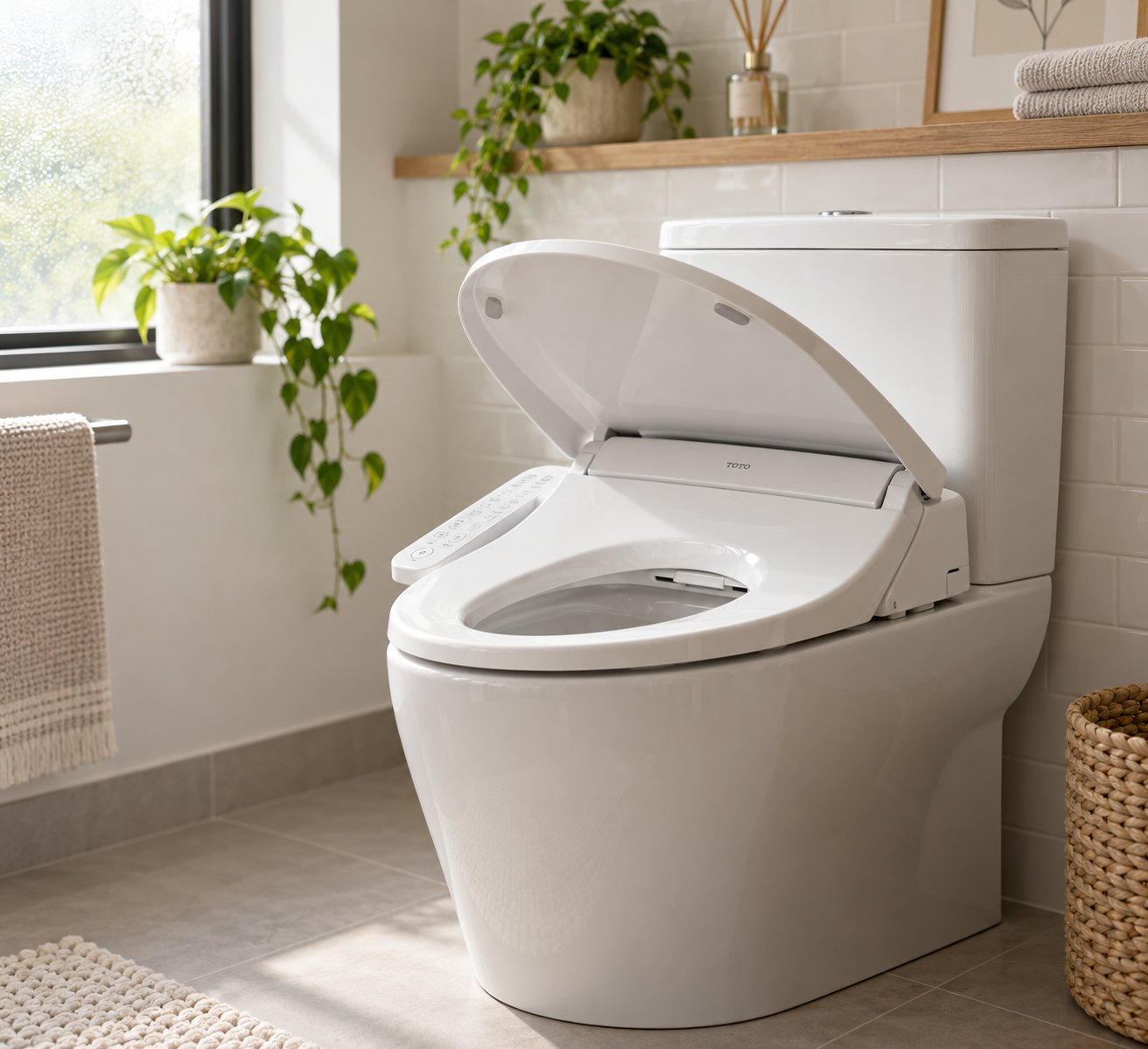
A toilet seat cover with bidet is a complete replacement seat-and-lid assembly that integrates a water-cleansing nozzle directly into the unit. Instead of adding a separate fixture next to your toilet, this product removes your existing seat entirely and takes its place — delivering both a comfortable seating surface and hands-free washing capability in one streamlined piece of hardware. Think of it as two bathroom fixtures merged into one: the seat you sit on and the bidet that cleans you, combined so seamlessly that no extra floor space, plumbing lines, or bathroom renovations are needed.
That dual-purpose design is the detail most people miss when they first encounter bidet toilet seats. This is not an accessory bolted onto your current setup. It is the toilet seat, engineered from the ground up with a retractable nozzle, water connections, and — in electric models — heated surfaces and adjustable controls built right into the housing.
How a Bidet Seat Cover Replaces Your Existing Toilet Seat
Imagine unscrewing two bolts at the back of your toilet bowl, lifting off the old seat, and sliding a new one into its place. That is essentially how a bidet WC seat installs. The product mounts directly onto the standard bolt holes already present on virtually every residential toilet, so there is no drilling, no wall modification, and no need for a dedicated plumbing run across the bathroom floor.
This stands in sharp contrast to the standalone bidet fixtures common in European and Middle Eastern bathrooms. Those traditional units are separate porcelain basins installed beside the toilet, requiring their own water supply lines, drain connections, and a meaningful chunk of floor space. A bidet toilet seat eliminates all of that complexity by tapping into your toilet's existing cold water supply through a simple T-valve adapter — the same approach described by Premier Bidets when explaining how the water delivery system works. Fresh water is diverted to the seat's internal nozzle path before it ever reaches the tank, keeping the wash cycle completely separate from bowl water.
Popular models like the Bio Bidet BB-2000 round bidet toilet seat illustrate how far this category has come — offering heated water, oscillating nozzles, and warm-air drying, all packed into a unit that looks like a slightly thicker version of a standard lid and seat.
Why This Product Category Is Growing
Consumer interest in water-based hygiene has accelerated noticeably. The global smart bidet toilet seats market is projected to reach USD 8.74 billion by 2035, growing at a CAGR of 7.89% from its 2026 valuation of USD 4.42 billion. Several forces are driving that expansion. Heightened awareness of personal hygiene — intensified during and after the pandemic — pushed many households to explore alternatives to dry toilet paper. Bathroom modernization trends, especially in urban areas where space is limited, make an all-in-one bidet toilet seat far more practical than installing a standalone fixture. And cultural acceptance is shifting fast: bidet toilet seats have long been standard in Japan, South Korea, and parts of Europe, and that familiarity is now spreading across North America and other Western markets.
A bidet toilet seat cover is not an add-on accessory — it is the toilet seat, redesigned with water-cleansing capability built in.
Understanding what this product actually is — and is not — sets the foundation for every decision that follows. The very next question most shoppers face is whether they need a full replacement bidet seat or a simpler attachment that clips under their current seat, and the differences between those two options are more significant than they appear at first glance.
Bidet Seat Replacement vs Bidet Attachment Explained
Here is where most first-time shoppers hit a wall of confusion. You search for a toilet seat cover with bidet, and the results mix two fundamentally different product types on the same page — full replacement bidet seats and under-seat bidet attachments. They both spray water, they both connect to your toilet, and they both promise better hygiene. So what actually separates them? More than you might expect.
Full Replacement Bidet Seats vs Under-Seat Attachments
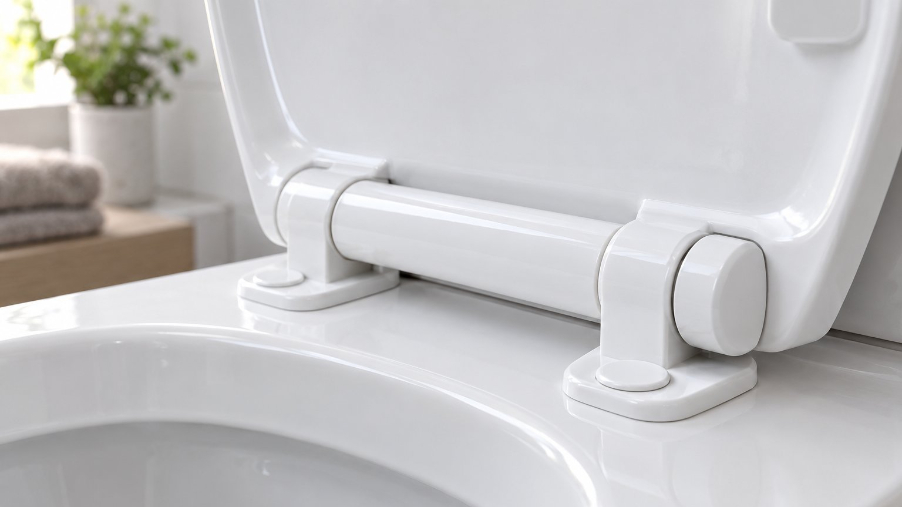
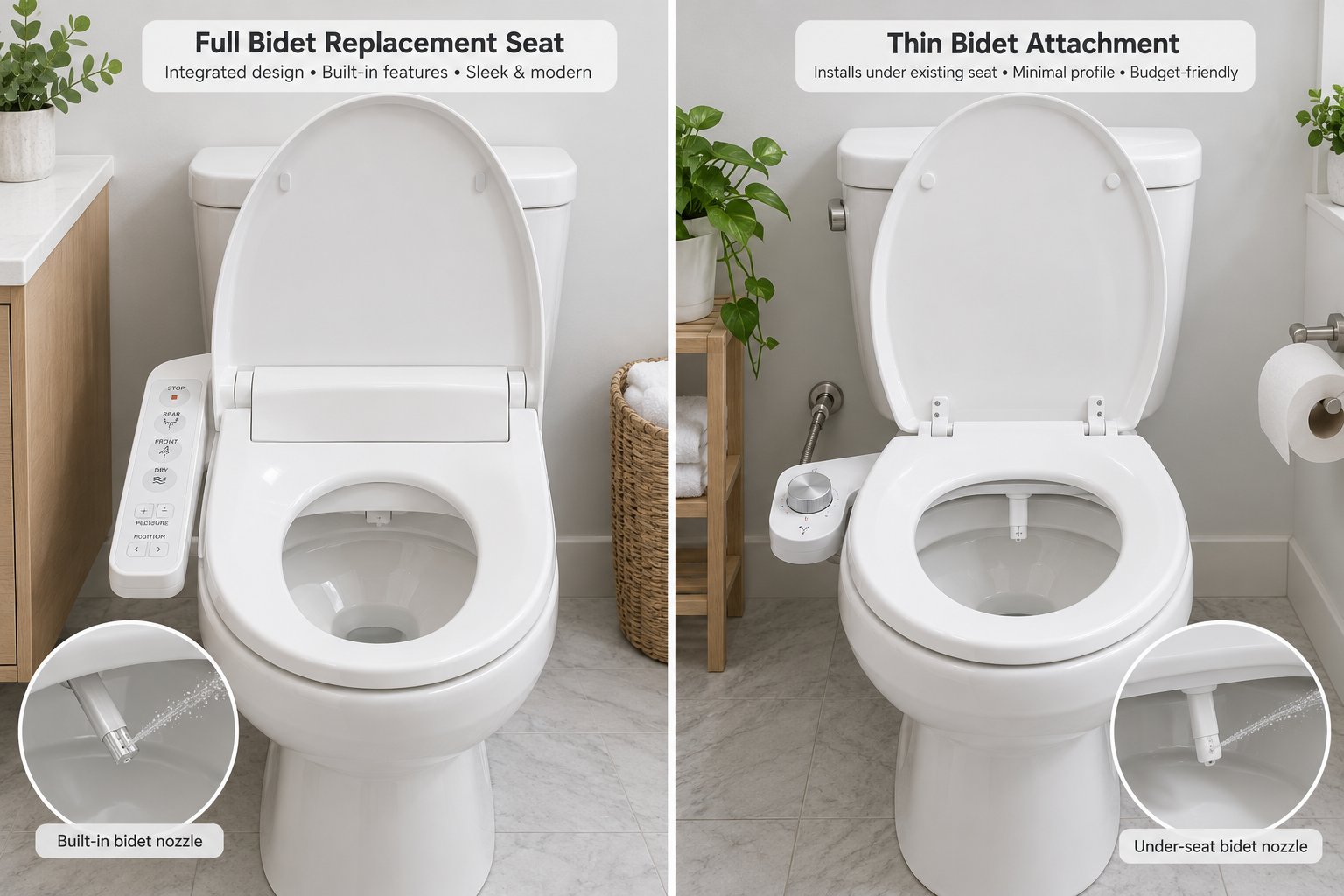
A bidet seat is a complete unit — seat, lid, hinges, integrated nozzle, and (in electric models) an internal control system — that replaces your existing toilet seat entirely. You remove the old seat, bolt this one on, and the original goes into storage or recycling. Everything from the seating surface to the wash nozzle is engineered as a single assembly, which means features like heated seating, adjustable nozzle positions, warm-air drying, and side-panel or remote-operated controls all live inside one cohesive housing.
A bidet attachment, on the other hand, is a slim plate that mounts between your existing seat and the bowl rim. Your original seat stays in place — you simply loosen the bolts, slide the attachment plate underneath, and retighten. The nozzle sits just below the rim, and controls typically appear on a small dial or lever panel beside the seat. Popular models like the Luxe Bidet Neo 320 Plus bidet attachment demonstrate how far the attachment category has come, offering dual nozzles and warm water connectivity without requiring any electrical work.
Both product types clean identically: a nozzle directs a focused stream of fresh water where it is needed. Luxe Bidet's comparison puts it plainly — the cleaning mechanism is the same across both categories, and every difference beyond that comes down to comfort, convenience, and cost. An electric bidet seat wins on heated seating and warm-air drying. An attachment wins on price, simplicity, and fewer components that can fail in a humid bathroom environment.
The trade-offs break down predictably. Attachments are lower-cost, often installing in about twenty minutes with nothing more than an adjustable wrench. They require no electrical outlet and add only a fraction of an inch beneath the seat. Full replacement bidet seats — particularly electric models — demand a GFCI-protected outlet within cord reach, which many bathrooms lack. Adding that outlet means hiring an electrician, a cost that can rival the price of the seat itself. Yet for those willing to invest, an electric bidet seat delivers a feature set no attachment can match: on-demand heated water, a warm seat on cold mornings, deodorization, and programmable user profiles.
Non-electric bidet seats occupy a middle ground worth knowing about. These replace your seat entirely — giving you the integrated look of a full bidet seat — but run on water pressure alone, with no outlet required. You get the seamless appearance without the electrical dependency, though you sacrifice the heated seat and dryer. If the visual profile matters more than the heated features, this is the category to explore.
Which Type Matches Your Bathroom Needs
Choosing between these two types is less about which is "better" and more about which fits your situation. Ask yourself three questions:
- Is there a grounded outlet near your toilet? If not, an electric bidet seat either requires an electrician or drops off your list entirely. Attachments and non-electric seats work regardless.
- How much are you willing to spend upfront? Bidet attachments with dual nozzles and self-cleaning features typically fall in the $30 to $100 range, as Inus Home notes. Full replacement bidet seats start around $200 and climb past $1,000 for high-end electric models.
- Are heated seating and a warm-air dryer daily essentials or nice-to-have extras? Those two features are the only capabilities that genuinely require an electric bidet seat. Everything else — water pressure adjustment, dual nozzles, self-cleaning rinse cycles — is available across both types.
The table below maps the comparison across the dimensions that matter most when evaluating round bidet toilet seats, elongated models, or any bowl shape.
| Dimension | Full Replacement Bidet Seat | Under-Seat Bidet Attachment |
|---|---|---|
| Installation Complexity | Remove old seat, mount new unit, connect water and power (electric models) | Loosen existing seat, slide plate underneath, connect water line |
| Typical Time to Install | 30-60 minutes; may need electrician for outlet | About 20 minutes with basic tools |
| Feature Set | Heated seat, warm water, air dryer, oscillating nozzle, deodorizer, remote control | Adjustable water pressure, dual nozzles, self-cleaning rinse, warm water (select models) |
| Seat Comfort | Contoured, purpose-built seating surface; heated option available | Relies on your existing seat; no heating capability |
| Aesthetic Integration | Seamless single-unit look, though rear housing is thicker; visible power cord on electric models | Slim profile; adds minimal height beneath existing seat |
| Electrical Requirement | GFCI outlet required for electric models; none for non-electric seats | None |
| Price Range | $200 - $1,000+ | $30 - $150 |
| Renter-Friendly | Depends on outlet access; original seat must be stored | Fully reversible in minutes; no permanent changes |
| Long-Term Reliability | More components (pump, heating elements, electronics) that can fail | Fewer mechanical parts; primarily valves and nozzle assembly |
Neither category is universally superior. A renter in a warm climate with a tight budget will likely find an attachment perfectly sufficient. A homeowner renovating a primary bathroom, especially one who values heated comfort during cold months, may find a full replacement bidet seat well worth the investment. The key is matching the product type to your infrastructure, your budget, and the features you will genuinely use every day — not the ones that simply look impressive on a spec sheet.
That feature conversation, though, only gets sharper once you dig into the electric versus non-electric divide. The power source behind a bidet seat shapes everything from the water temperature you feel to the outlet your bathroom may or may not have.
Electric vs Non-Electric Bidet Seats and Smart Options
The power source behind your toilet seat bidet is arguably the single most consequential choice you will make — more impactful than brand, more defining than price tier. It dictates which features are even possible, what your bathroom needs to support the unit, and how much you will spend not just today but over the product's lifespan. Every other specification flows downstream from this one decision.
Electric Bidet Seats and What They Require
Electric bidet seats plug into a wall outlet and unlock a comfort tier that mechanical models simply cannot replicate. Imagine sitting down on a cold morning and feeling a gently warmed seat surface, selecting your preferred water temperature with a side-panel control or wireless remote, and finishing with a stream of warm air that reduces your need for toilet paper to almost nothing. That is the electric bidet experience — and it is why models like the Bio Bidet BB-2000 consistently rank among the most popular upgrades for primary bathrooms.
The catch? Every one of those features requires electricity, and the outlet powering them must be a GFCI-protected (ground-fault circuit interrupter) receptacle. Because the bidet seat sits directly on the bidet toilet bowl — inches from standing water — electrical code demands this safeguard to prevent shock hazards. As Prairie Electric explains, most electric bidet seats operate at standard 120V household voltage, meaning an existing bathroom circuit can typically handle the load. The real issue is proximity: many bathrooms have no outlet within four feet of the toilet, which is the typical cord length. If yours does not, you will likely need a licensed electrician to install one — a job that can sometimes be completed in as little as 30 minutes but does add cost to the project. For homes in markets outside North America, voltage standards differ (220-240V in most of Europe and Asia), so confirming compatibility before purchasing is essential.
Non-Electric Bidet Seats and Their Advantages
Non-electric bidet seats strip away the heated extras and focus on one thing: delivering a reliable water wash using nothing but your home's existing water pressure. These models connect directly to the cold water supply valve behind the toilet through a T-valve adapter — no outlet, no wiring, no circuit considerations whatsoever.
What you give up is obvious: no heated water, no warm seat, no air dryer, and no electronic controls. What you gain is less obvious but equally meaningful. Fewer electrical components means fewer potential failure points, lower purchase cost, and an installation that a first-timer can complete in about twenty minutes. Bio Bidet's own comparison frames the trade-off candidly — non-electric models win on price, simplicity, and installation speed, while electric models win on comfort. Both deliver the same core hygiene benefit.
For renters, guest bathrooms, or anyone testing water-based cleansing before committing to a higher-end unit, a non-electric bidet toilet seat round or elongated model is a practical starting point. And because both types mount on standard bolt holes, upgrading later is a straightforward seat swap rather than a bathroom renovation.
Here is a quick-scan comparison of what each power category typically includes:
- Features typically exclusive to electric models: heated water on demand, heated seat surface, warm-air dryer, oscillating or pulsating nozzle modes, adjustable water temperature, nightlight, deodorizer, wireless remote control, programmable user profiles, automatic lid open and close, energy-saving modes
- Features available in non-electric models: adjustable water pressure (via manual dial), self-cleaning nozzle rinse, dual-nozzle design (front and rear wash), cold-water wash, quick-release mounting for easy cleaning
Smart Toilet Seats as a Third Option
A growing subset of electric bidet seats pushes further into connected technology. Smart toilet seats layer on features like Bluetooth or Wi-Fi connectivity, companion apps, multiple user-profile memory that adjusts nozzle position and temperature per household member, motion-activated lid opening, and automatic flushing. Some models even include usage analytics or integration with broader smart-home ecosystems.
Are these features necessary? For most households, honestly, no. But for users with mobility challenges who benefit from hands-free lid operation, or multi-person households where personalized settings eliminate daily re-adjustment, the convenience is tangible. Smart seats sit at the top of the price spectrum — often $500 and above — and they carry the same GFCI outlet requirement as any electric round bidet toilet seat or elongated variant.
Choosing between electric, non-electric, and smart comes down to a simple framework: match the power category to your bathroom's infrastructure and your personal comfort threshold. A cold-water wash in a warm climate may feel perfectly fine year-round. That same cold-water wash in a northern winter may feel like a daily test of willpower. Features mean nothing if your bathroom cannot support them — and they mean everything if it can.
The comfort and feature advantages are compelling, but they only matter if the seat actually improves your daily well-being. That raises a broader question worth examining closely: what does the health and hygiene case for water-based cleansing actually look like?
Health and Hygiene Benefits of a Bidet Toilet Seat Cover
Features and power categories matter, but they serve a deeper purpose that often gets buried beneath spec sheets and installation guides. A toilet seat cover with bidet exists, at its core, to change how you clean yourself — and the health implications of that shift are worth far more attention than most product pages give them.
Water Cleansing vs Dry Wiping for Personal Hygiene
Picture washing mud off your hands. Would you reach for a dry paper towel and call it done, or would you turn on the faucet? The answer is instinctive — and the same logic applies below the waist. Water dissolves and lifts residue in a way that dry friction simply cannot replicate, yet most Western bathrooms still rely exclusively on toilet paper for post-use cleaning.
The general medical perspective favors water-based cleansing for sensitive perianal tissue. Gastroenterologist Christine Lee, MD, at Cleveland Clinic notes that wiping with dry toilet paper can cause chafing and tiny cuts, a concern that is effectively eliminated when water does the cleaning instead. For individuals managing hemorrhoids, anal fissures, inflammatory bowel conditions, or postpartum recovery, that difference is not a luxury — it is meaningful daily relief. Dermatologists and colorectal specialists generally view gentle water streams as a friendlier option for already-irritated tissue, reducing mechanical friction that can worsen existing conditions.
Hygiene outcomes improve, too. Dry wiping in unseen areas is inherently imprecise. A focused water stream, directed by a retractable nozzle, covers the target area more thoroughly. Cleveland Clinic's overview also highlights that wiping with toilet paper carries a risk of transferring fecal matter to hands or nails — a risk that diminishes substantially when water handles the bulk of the cleaning. Proper handwashing remains essential regardless, but the starting point is cleaner.
Models across the spectrum deliver this benefit. Whether you choose a premium smart toilet seat with oscillating spray patterns or a basic non-electric unit with a single nozzle, the fundamental hygiene advantage — water replacing dry friction — remains consistent. Even a Bemis bidet toilet seat at a modest price point delivers the same core cleansing mechanism as a high-end electric model. The features differ; the underlying health logic does not.
Accessibility and Aging-in-Place Benefits
Here is a dimension of bidet ownership that rarely appears in marketing headlines but profoundly affects millions of households. For elderly users, people with limited mobility, arthritis sufferers, and individuals recovering from surgery, the simple act of reaching back to wipe can range from painful to impossible. A bidet seat transforms that physical demand into a hands-free process activated by a button, dial, or remote control.
The numbers underscore the need. Bio Bidet's senior safety resource points out that bathroom injuries among seniors are rising as the US population ages, with the over-65 demographic now representing 18% of the population and growing. Slippery surfaces get most of the safety attention, but the daily strain of personal hygiene — bending, reaching, balancing — quietly erodes independence over time. A bidet seat reduces that strain to near zero.
Consider the caregiver perspective as well. When a dependent individual cannot manage wiping independently, a caregiver must assist — a task that is physically demanding, emotionally taxing, and a frequent source of dignity loss for the person receiving help. A toilet seat cover with bidet can restore a significant degree of bathroom independence, allowing the user to complete their own hygiene routine with minimal or no assistance. For aging-in-place planning, that capability can delay or reduce the need for in-home care support, which carries both emotional and financial weight.
Products like the Bio Bidet BB 1200L bidet toilet seat with wireless remote are particularly relevant in this context. A wireless remote means the user does not need to twist or reach a side-panel control — they can operate every function from a comfortable seated position, or a caregiver can manage settings from a short distance. Similarly, the Bio Bidet HD 7000 offers straightforward controls designed with ease of use in mind, reinforcing that accessibility is not a niche feature but a core design consideration in this product category.
Environmental Perspective on Reduced Paper Use
Beyond personal health, there is a broader resource argument. A household that switches to water-based cleansing will logically consume far less toilet paper — not zero, since many users still reach for a sheet or two to pat dry, but dramatically less than the wads required for dry-only cleaning.
The environmental calculus extends beyond just trees. As Treehugger's analysis highlights, paper manufacturing is incredibly water-intensive, and the effluent from production carries organic waste and chemical residue back into waterways. A bidet uses a small amount of treated water per wash cycle — a fraction of a gallon — but that volume is far less than the water consumed during the production of the toilet paper it replaces. The net water savings, counterintuitive as it sounds, favor the bidet.
Household cost savings follow the same trajectory. The average family spends hundreds of dollars on toilet paper annually, a recurring expense that a bidet seat steadily offsets over its lifespan. Rather than citing exact dollar figures that vary by household size and paper brand, the honest recommendation is to estimate your own monthly toilet paper spend and weigh it against the one-time investment in a bidet seat. For most families, the breakeven point arrives sooner than expected.
Even households considering a black toilet with bidet integration for aesthetic reasons discover these practical savings as a secondary benefit — the environmental and cost advantages apply regardless of style or color choice.
A bidet toilet seat cover sits at the intersection of comfort, hygiene, and accessibility — improving daily cleanliness while reducing physical strain for those who need it most and cutting household paper waste for everyone.
Health benefits and environmental logic build a strong case, but none of it matters if the seat does not physically fit your toilet. That practical reality — how to measure your bowl and confirm compatibility before spending a dollar — is the step most buyers skip and most regret.
How to Measure Your Toilet for Bidet Seat Compatibility
A bidet toilet seat attachment is only as good as its fit. Order the wrong shape or overlook a clearance issue, and you end up with a seat that overhangs the rim, a lid that collides with the tank, or a water connection that cannot reach the supply valve. The frustrating part? Every one of those problems is preventable with a tape measure and five minutes of attention before you click "add to cart."
Round vs Elongated Bowls and How to Measure
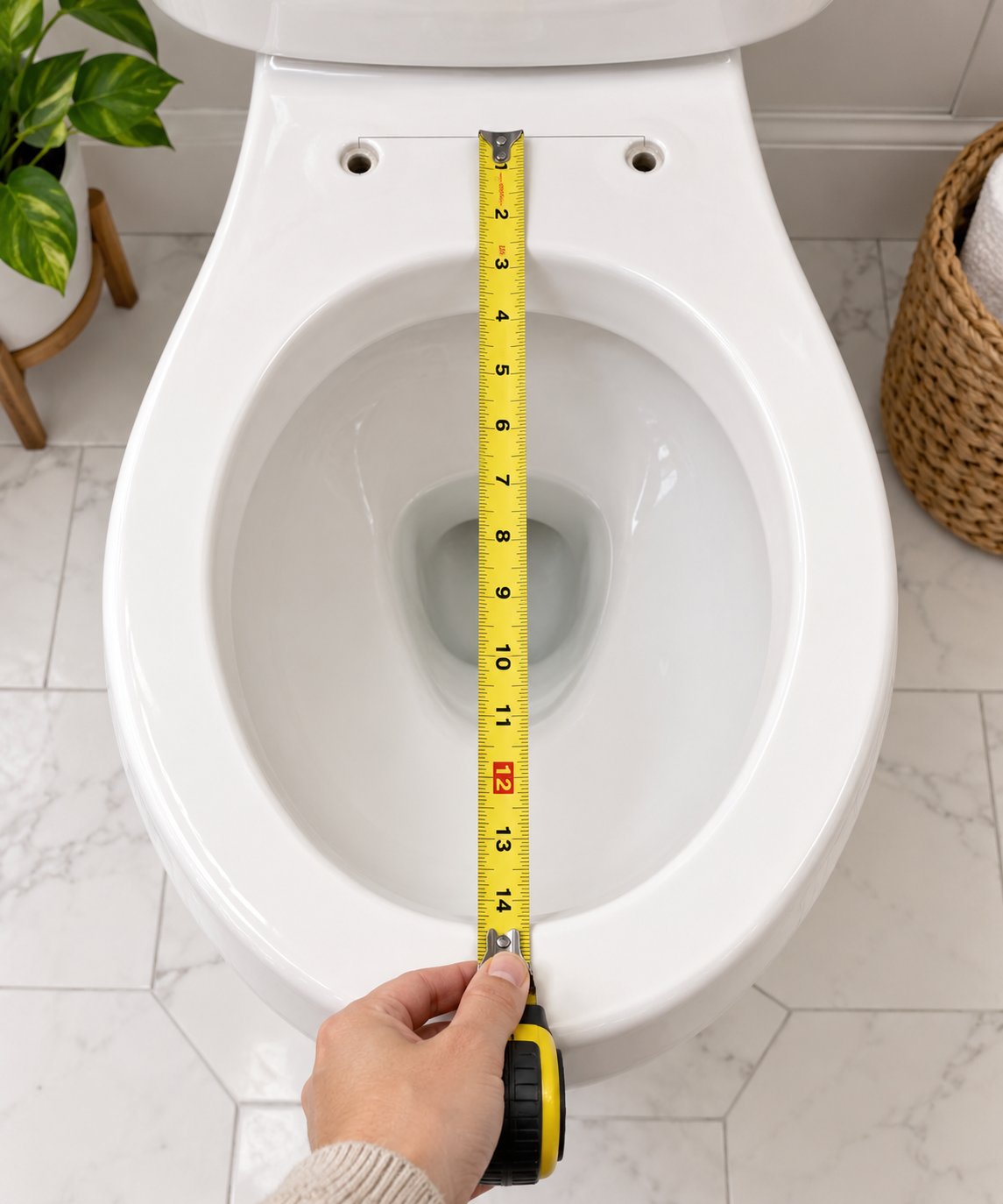
Toilet bowls come in two standard shapes, and each requires its own matching seat. A round-front bowl measures approximately 16.5 inches from the center of the two mounting bolt holes to the front outer edge of the rim. An elongated bowl stretches that distance to approximately 18.5 inches. That two-inch difference determines which toilet seat for bidet you need — and getting it wrong creates real problems.
Install an elongated seat on a round bowl and you get a noticeable overhang past the front rim, creating an unstable feel and an unsightly gap beneath the seat lip. Go the other direction — a round seat on an elongated bowl — and part of the porcelain rim sits exposed and uncovered at the front. Neither scenario is safe or comfortable.
The measurement method is straightforward. Premier Bidets recommends lifting the seat and lid entirely, finding the two bolt holes at the back of the bowl, and measuring from the midpoint between them straight out to the outside front edge of the rim. Measure the bowl itself, not the old seat — a mismatched seat is exactly the kind of error you are trying to catch. If your tape reads between 16 and 17.75 inches, you have a round bowl. Between 18 and 19.5 inches means elongated. Should your number land somewhere in between — around 17.5 inches — you may have a "compact elongated" bowl, and checking the toilet manufacturer's spec sheet becomes essential before purchasing any bidet seat.
You can also eyeball it from above as a quick sanity check. Stand directly over the toilet and look down at the rim: a round bowl appears close to circular, while an elongated bowl forms a distinctly longer oval. If the shape looks ambiguous, trust the tape measure over your eyes.
Bolt Pattern and Tank Clearance Checks
Bowl shape is only the first compatibility checkpoint. The mounting bolt spread — the distance between the centers of the two seat bolt holes — needs to match the bidet seat's mounting hardware. Most residential toilets use a standard spacing of approximately 5.5 inches center to center, which is what the vast majority of electronic bidet seats and non-electric models are designed for. However, Brondell's fit guide notes that some products accept a range of 5.25 to 8 inches, while other models — particularly certain premium bidet seats — require exactly 5.5 inches. Verifying your bolt spread takes seconds and eliminates a surprisingly common installation headache.
Tank clearance is the measurement that catches the most people off guard. This is the distance from the center of the bolt holes to the front face of the toilet tank (or its overhanging lid). Bidet seats house their water connections, mounting brackets, and — on electric models — control panels at the rear of the unit. If there is not enough room between the bolts and the tank, the seat either will not mount flush or the rear housing will press against the tank.
The minimum clearance varies by product. Brondell specifies at least 1.5 inches for most Swash models but raises that to 2 inches for select units like the CL2200 and LS1800 series. If the clearance falls below 2 inches on any bidet seat, you may also find that the seat extends slightly past the front edge of the bowl — functional, but not the seamless fit most buyers expect.
One-piece toilets deserve an extra note here. Their tanks and bowls are fused into a continuous silhouette, and some designs feature curved or skirted rear profiles that reduce the available clearance behind the bolt holes. Two-piece toilets — where the tank sits as a separate component bolted onto the bowl — tend to offer more predictable clearance. Either way, measuring before purchasing saves you from a return-and-reorder cycle that delays your project by weeks.
Water Supply Valve Proximity
Every bidet seat — electric, non-electric, or smart — requires a water source, and it gets that water through a T-valve adapter that taps into the existing toilet supply line. The T-valve installs at the base of the toilet tank where the flexible supply hose connects to the fill valve. One branch continues feeding the tank as normal; the other redirects fresh water to the bidet seat's nozzle system.
Before you start, locate the shutoff valve on the wall or floor behind the toilet. This is the knob or lever you will turn to stop water flow during installation. Check two things: first, that the valve actually turns (older valves can seize from years of disuse, and forcing a corroded valve risks a leak or a broken fitting). Second, confirm the connection size — most residential toilets use a 7/8-inch supply connection, which is the standard that bidet T-valve adapters are designed to fit. Non-standard sizes may require an adapter, and wall-mounted toilets with concealed in-wall plumbing often need a plumber to provide an accessible water connection point.
Also consider the hose routing. The bidet seat's supply hose needs a clear path from the T-valve to the seat's intake port, typically running along the side or underside of the tank. If your toilet sits in a tight alcove or has cabinetry pressed against one side, confirm there is enough room for the hose to run without kinking.
Here is a complete measurement checklist you can walk through with a tape measure before making any purchase decision:
- Measure bowl length: From the midpoint between the two bolt holes to the front outer edge of the bowl rim. Record whether your result indicates round (approximately 16-17.75 inches) or elongated (approximately 18-19.5 inches).
- Measure bolt hole spacing: From the center of one bolt hole to the center of the other. Confirm it falls within the 5.25 to 5.5 inch standard range.
- Measure tank clearance: From the center of the bolt holes to the nearest point of the tank or tank lid. Ensure a minimum of 1.5 inches, ideally 2 inches or more for electronic bidet seats with rear-mounted controls.
- Inspect the shutoff valve: Locate the water supply valve behind the toilet. Turn it gently to confirm it operates smoothly. Note the connection size (typically 7/8 inch).
- Check for a GFCI outlet: If considering an electric model, confirm there is a GFCI-protected outlet within approximately 4 feet of the toilet. Look for "Test" and "Reset" buttons on the outlet faceplate.
- Assess hose routing space: Verify that the area between the tank and the wall or adjacent cabinetry allows room for the T-valve and supply hose to connect without obstruction or kinking.
- Note your toilet type: Record whether your toilet is one-piece (tank and bowl fused together) or two-piece (separate tank bolted onto the bowl), and whether it features a skirted or standard exposed-trapway design.
Running through this checklist takes less than ten minutes and dramatically reduces the risk of ordering a seat that does not fit your setup — whether you are shopping for a Bio Bidet Bliss BB-2000 bidet seat, an HD-7500 bidet toilet seat, or any other model in the market.
For brands and sourcing teams evaluating bidet seat projects at scale, these compatibility variables multiply quickly. Confirming bowl-shape coverage, mounting requirements, and clearance specifications with the manufacturer early in the process is essential to avoid production mismatches across product lines. Tianyun's bidet seat category provides a starting point for sourcing teams to discuss compatibility specifications and customization needs directly with the manufacturer — though specific product listings and dimensions should be confirmed through direct inquiry, as the category serves as an entry point for project-level conversations rather than a finalized spec catalog.
Compatibility confirmed, the natural next question is what actually happens during installation — how the old seat comes off, the new one goes on, and where the water and power connections fit into the process.
Installation Basics for Bidet Toilet Seat Covers
Measurements check out, your bidet seat is on the way, and now the question shifts from "will it fit?" to "can I actually install this myself?" The short answer for most standard bathrooms: yes. Whether you are mounting one of the more luxurious toilet seats with heated controls or a straightforward non-electric unit, the process follows a predictable sequence that a homeowner with basic tool familiarity can handle in under an hour.
Tools and Supplies You Will Likely Need
Gather everything before you start — nothing stalls a project faster than a mid-install trip to the hardware store. Most bidet seats ship with a T-valve adapter, a braided supply hose, a mounting plate, and the necessary bolts, so you are mainly responsible for the hand tools.
Here is what to have within reach:
- Adjustable wrench — for loosening and tightening the water supply connection at the base of the tank
- Flathead and Phillips screwdrivers — for removing the old seat bolts and securing the new mounting plate
- Small towel and bucket — residual water will drip from the supply hose and tank connection when you disconnect them
- Plumber's (PTFE) tape — useful for creating watertight seals on threaded fittings, though not always required
- Level — optional but helpful for confirming the mounting plate sits perfectly flat before you lock it down
One detail worth emphasizing: Premier Bidets' installation guide notes that you should allow enough space between the tank and bidet hose to prevent bending or kinking during the water connection. Tight routing puts stress on fittings and can lead to slow leaks over time.
Step-by-Step Installation for a Bidet Seat Cover
The process is largely the same whether you are installing a Bemis bidet model, a Bio Bidet Bliss BB-1700 bidet toilet seat, or any other brand. Individual models may vary slightly in mounting plate design or hose routing, but the core sequence holds:
- Shut off the water supply. Turn the shutoff valve behind the toilet clockwise until it stops. Flush the toilet and hold the lever down to drain as much water as possible from the tank.
- Disconnect the supply hose. Place your towel or bucket beneath the tank connection. Use the adjustable wrench to unscrew the flexible supply hose from the base of the tank's fill valve. Expect some residual water to spill — this is normal.
- Remove the old seat. Pop off the bolt caps at the rear of the existing seat, unscrew the mounting bolts, and lift the old seat off the bowl. Home Depot's installation guide recommends cleaning the rim with a bristle brush before moving forward so the new mounting plate sits flush against the porcelain.
- Install the mounting plate. Align the new catch plate over the bolt holes, insert rubber sleeves if provided, and hand-tighten the mounting bolts. Use a level to confirm the plate is horizontal, then snug the bolts with a screwdriver. Avoid overtightening — Parzival Plumbing cautions that excessive force on porcelain-mounted fittings can crack the bowl without warning.
- Connect the T-valve and supply hoses. Thread the T-valve adapter onto the tank's fill valve inlet. Reattach the original supply hose to the bottom outlet of the T-valve. Connect the bidet's braided hose to the side or upper port. Apply plumber's tape to threaded connections if the manufacturer recommends it.
- Mount the bidet seat. Slide the seat assembly onto the mounting plate until it clicks securely into place. Most bidet seats feature a quick-release mechanism — you should hear or feel it lock.
- Turn on the water and test for leaks. Open the shutoff valve slowly. Watch every connection point — the T-valve, both hose fittings, and the seat's intake port — for any sign of moisture. If a drip appears, tighten the affected fitting by a quarter turn.
- For electric models: plug in and run the self-test. Insert the power cord into your GFCI-protected outlet. The seat will typically run a brief self-diagnostic cycle — you may hear the nozzle extend and retract as it calibrates. Confirm the "ready" indicator appears before your first use. Never use an extension cord for this connection; it violates bathroom electrical safety codes.
The entire process, from shutting off the water to testing the final spray cycle, typically takes 30 to 60 minutes. If you have handled basic plumbing tasks like replacing a faucet or swapping a showerhead, a bidet seat installation should feel familiar and manageable.
When Professional Help May Be Needed
Not every bathroom presents a straightforward scenario. A few situations push the project beyond typical DIY comfort, and recognizing them early saves you from mid-install frustration — or worse, water damage.
Consider calling a professional if:
- No GFCI outlet exists near the toilet. Adding one requires routing wiring through finished walls and connecting to the bathroom's electrical circuit — a job for a licensed electrician, not a YouTube tutorial. As Home Depot notes, electrical code requires the new outlet to be in an accessible location, not hidden behind the toilet.
- The shutoff valve is corroded or seized. Forcing a valve that has not been turned in years risks cracking the valve body or breaking the connection entirely, which can mean an uncontrolled water flow. A plumber can replace the valve safely and verify the line condition.
- Non-standard plumbing connections are present. Older homes sometimes feature rigid copper supply lines instead of flexible braided hoses, or valve sizes that do not match the T-valve adapter included with the seat. A plumber can adapt these connections with the right fittings.
- Wall-mounted toilets with concealed plumbing. When supply lines and shutoff valves are hidden inside the wall, accessing them for the T-valve installation may require opening the access panel or adjusting internal fittings — tasks that benefit from professional experience.
- You are upgrading to a model like the Bio Bidet HD-7000 that requires both water and electrical connections, and your bathroom infrastructure supports neither conveniently. Coordinating plumbing and electrical work simultaneously is more efficient when handled by a professional who can assess both systems together.
Before starting any installation, run through this quick pre-installation verification checklist:
- Shutoff valve turns smoothly without resistance or leaking
- Supply hose connection size matches the included T-valve adapter (typically 7/8 inch)
- GFCI outlet is present and functional within cord reach (electric models only)
- Tank clearance accommodates the seat's rear-mounted hardware and hose routing
- All included parts — mounting plate, bolts, rubber sleeves, T-valve, braided hose — are accounted for in the box
- Manufacturer's installation manual is on hand for model-specific steps
The reassuring reality is that the vast majority of bidet seats — from budget-friendly non-electric units to feature-rich electric models — are designed for homeowner installation. Manufacturers know that a complicated setup discourages adoption, so they engineer the mounting and plumbing connections to be as intuitive as possible. If your bathroom has a functioning shutoff valve, a standard bolt pattern, and (for electric units) a nearby GFCI outlet, you have everything you need.
Getting the seat mounted and running is only half the commitment, though. Keeping it clean, functional, and leak-free over the months and years ahead requires a different kind of attention — one that most owners never think about until a clogged nozzle or a mineral-crusted spray hole reminds them.
Maintenance and Cleaning to Extend Bidet Seat Life
A bidet seat for toilet use handles water, electricity, and human waste proximity every single day. That is a demanding environment for any piece of hardware, and yet most owners treat their bidet seat the way they treated their old toilet seat — which is to say, they barely think about it at all. The good news? Keeping a toilet seat with bidet in top condition requires surprisingly little effort. The bad news? Skipping that small effort leads to clogged nozzles, reduced spray pressure, and premature component failure that could have been avoided entirely.
Cleaning the Nozzle and Seat Surfaces
The nozzle is the hardest-working component on your bidet seat, and it deserves the most attention. Most modern bidet seats — electric and non-electric alike — feature a self-rinse function that automatically flushes the nozzle with clean water before and after each use. That built-in cycle handles casual residue effectively, but it does not replace periodic manual cleaning.
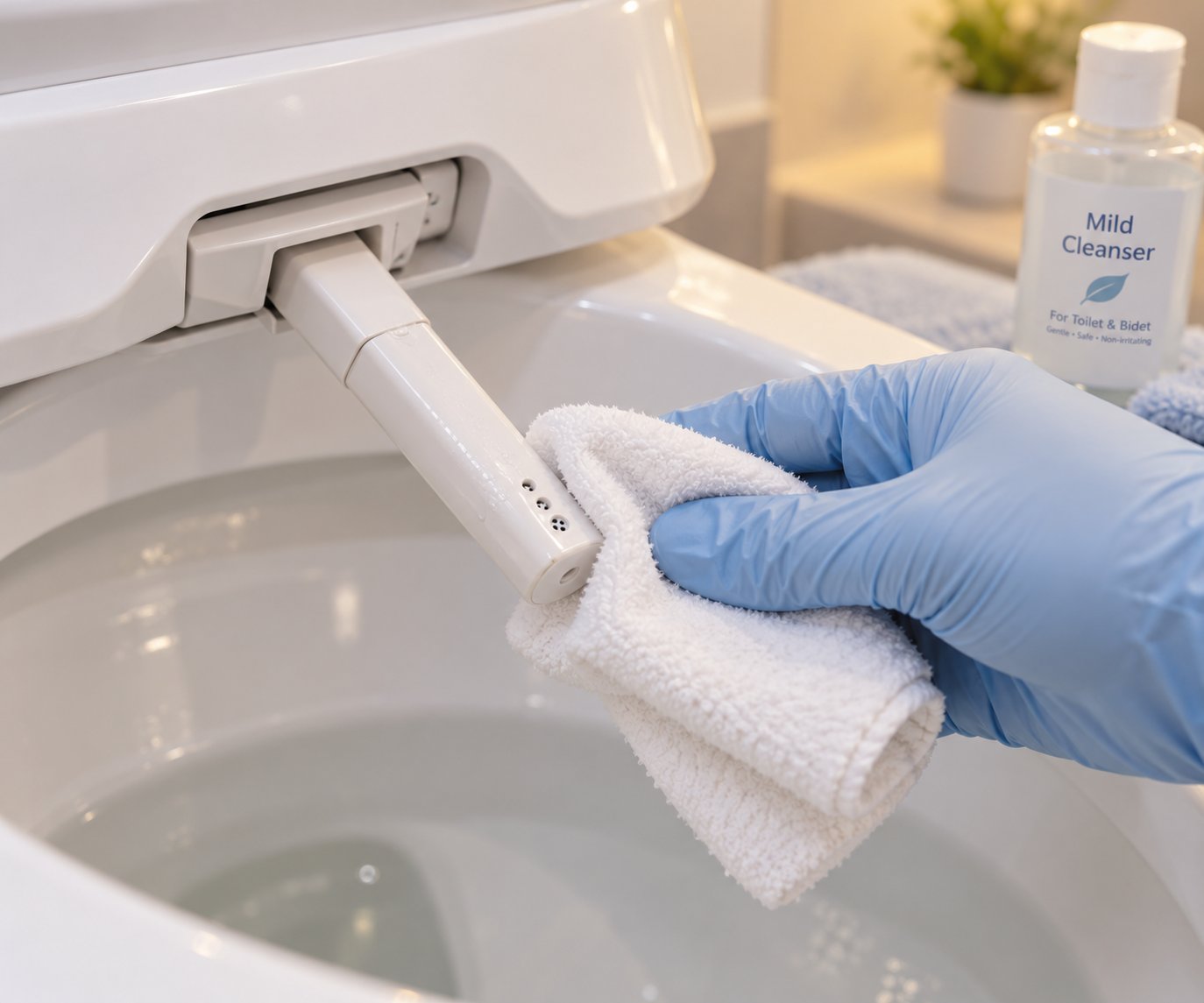
How often should you clean the nozzle by hand? About once a month is a solid baseline. Manufacturer care instructions from brands like Brondell and others commonly recommend monthly wand cleaning using the seat's cleaning mode to extend the nozzle for access. Here is what the process looks like in practice:
- If you have an electric model, unplug the seat before doing anything else. This is a non-negotiable safety step — multiple manufacturer manuals treat it as a warning-level requirement.
- Use the seat's nozzle-cleaning mode (or gently press the nozzle-extend button) to bring the wand out from behind its protective guard.
- Wipe the nozzle tip and shaft with a soft cloth dampened with mild soap or a diluted vinegar solution. A soft-bristled toothbrush works well for reaching the tiny spray openings.
- Rinse by running the nozzle-clean cycle once more, or wipe with a cloth dampened in plain water.
- Allow the nozzle to retract and dry naturally.
What you should never use on a bidet nozzle: bleach, abrasive powders, scouring pads, or harsh toilet bowl cleaners. Architecture Lab's cleaning guide consolidates warnings from multiple manufacturer manuals — products containing chloride, hydrochloric acid, benzene, or solvent-type chemicals can crack plastic surfaces, corrode metal components, and leave discoloration that no amount of scrubbing will reverse. Stick with mild dish soap, diluted neutral detergent, or a gentle vinegar-water mix, and your nozzle materials will stay intact for years.
For the seat and lid surfaces, the routine is similar to standard toilet seat care with one important caveat: avoid letting moisture pool near electronic control panels, side-panel buttons, or sensor areas. Use a lightly wrung-out soft cloth rather than spraying cleaner directly onto the unit. Wipe, then follow with a dry cloth. Also keep personal care products like hairsprays, lotions, and body oils away from heated bidet seats — Brondell's care instructions specifically note that these products can leave stubborn stains when warmed by the seat's heating element.
Descaling and Water Filter Maintenance
Soap and soft cloths handle surface grime, but there is a second category of buildup that operates invisibly inside the nozzle and water pathway: mineral scale. If you live in a hard-water area — and roughly 85% of US households do — calcium and lime deposits will gradually accumulate on nozzle openings, internal screens, and supply connections. Left unchecked, these deposits narrow the water path and reduce spray pressure until the stream feels noticeably weaker.
Descaling is straightforward when you catch it early. For bidet seats with detachable nozzle tips, remove the tip and soak it in a shallow cup of undiluted white vinegar for 30 to 60 minutes. The acidity dissolves mineral deposits without damaging the plastic. For non-removable nozzles, manufacturer guidance commonly suggests wrapping the nozzle tip in paper towels soaked with vinegar, letting it sit for 15 to 20 minutes, then rinsing thoroughly by running the nozzle-clean cycle. The goal is targeted contact — not soaking the entire unit — so you dissolve scale without exposing sensitive electronic components to unnecessary moisture.
Electric bidet seats often include a built-in mesh filter screen between the water inlet and the nozzle assembly. This small screen catches sediment and mineral particles before they reach the spray system. Brondell recommends cleaning this filter at least once per year: turn off the water supply, detach the supply hose, carefully remove the mesh screen with tweezers or needle-nose pliers, scrub gently under warm running water with an old toothbrush, and reinstall. If your area has particularly hard water, every six months is a safer interval — some manufacturer manuals directly link low maximum spray flow to a clogged filter screen and specify a six-month cleaning schedule.
For models equipped with external carbon-based water filters, replacement typically follows a six-month cycle as well. These inline filters install between the supply valve and the seat, reducing contaminants and minerals before they ever enter the unit. If your elongated bidet toilet seat came with a carbon filter, check the manufacturer's recommended replacement schedule and set a calendar reminder — it is an easy step to forget and an expensive one to ignore.
Extending the Lifespan of Your Bidet Seat
Beyond regular cleaning and descaling, a few simple habits go a long way toward protecting your investment over its full useful life. Most bidet seats are designed to last five to ten years or more under normal use, but careless habits can shorten that window significantly.
First, do not sit on the lid unless it is specifically weight-rated for it. Many bidet seat lids are thinner than standard toilet lids and are designed to cover the seat — not to support an adult's body weight. Using the lid as a perch risks cracking the housing or stressing the hinge mechanism.
Second, be cautious with chemical toilet bowl cleaners. Drop-in tank tablets and in-bowl cleaning solutions can splash onto the underside of the seat during flushing. Over time, that chemical exposure degrades plastic surfaces and rubber seals. If you use in-bowl cleaners, consider switching to a milder formula or placing the tablet in the overflow tube rather than directly in the tank water.
Third, check your water connections periodically. A slow leak at the T-valve or supply hose fitting can go unnoticed for weeks, quietly damaging your floor, subfloor, or the base of nearby cabinetry. A quick visual and touch inspection every couple of months catches these issues before they escalate.
Here is a seasonal maintenance checklist you can follow to keep everything running smoothly:
- Monthly: Extend the nozzle using the cleaning mode and wipe it down with a soft cloth and mild soap. Wipe the seat and lid surfaces. Check that the self-rinse function activates normally before and after each use cycle.
- Every 3 months: Inspect the T-valve and all hose connections for drips, dampness, or mineral crust around fittings. Tighten gently by hand if needed.
- Every 6 months: Clean or replace the inlet mesh filter screen (electric models). Replace external carbon water filters if installed. Descale the nozzle openings with a vinegar soak if you are in a hard-water area.
- Annually: Remove the seat from its mounting plate using the quick-release button and clean the area beneath the unit — this gap between seat and bowl is where odor and staining complaints most commonly originate. Replace deodorizer cartridges if your model includes an air-filtration system. Inspect mounting bolts and rubber sleeves for wear, and retighten if the seat has developed any lateral wobble.
None of these tasks takes more than a few minutes, and collectively they protect a product that handles one of the most intimate functions in your home. A well-maintained bidet seat does not just last longer — it performs consistently, wash after wash, without the gradual pressure drop or nozzle inconsistency that plague neglected units.
Maintenance keeps the hardware reliable, but there is another barrier that prevents many people from ever reaching this stage: the myths and hesitations that stop them from trying a bidet seat in the first place. Some of those misconceptions are surprisingly persistent — and surprisingly easy to dismantle.
Common Myths and Hesitations About Bidet Seats Debunked
You have measured your bowl, compared electric and non-electric models, and even bookmarked a maintenance checklist. Yet something still holds you back. Maybe it is a vague sense that bidet seats are somehow complicated, wasteful, or unsanitary. Maybe a friend made a joke about them, and that half-serious comment quietly lodged itself in your decision-making process. These hesitations are remarkably common — and almost universally rooted in misinformation.
The reality is that most objections to a toilet seat cover with bidet crumble under even light scrutiny. Let's walk through the biggest myths one by one, because the gap between what people assume and what the product actually requires is wider than you might expect.
Debunking the Most Common Bidet Myths
Some of these misconceptions have persisted for decades, fueled by unfamiliarity and the occasional Hollywood comedy scene. Here are the ones that surface most frequently — each paired with the straightforward truth.
- "Bidet seats require dedicated plumbing lines." They do not — every bidet seat taps into the existing water supply behind your toilet through a simple T-valve adapter, with no new pipes, no wall modifications, and no contractor required.
- "They waste water." A typical bidet wash cycle uses roughly one-tenth of a gallon for a full one-minute wash, while a single toilet flush consumes over three gallons — and that does not even account for the enormous volumes of water used during toilet paper manufacturing.
- "The nozzle is unsanitary." Modern bidet nozzles retract behind a protective guard when not in use and run a self-rinse cycle both before and after every wash, flushing the wand with clean water automatically; many models like the Bio Bidet BB-1200L also feature stainless steel nozzles with antimicrobial coatings for an added layer of protection.
- "Electric bidet seats in a bathroom are dangerous." Electric models are designed specifically for wet environments and must connect to a GFCI-protected outlet, which cuts power in milliseconds if it detects any current leakage — this is an electrical code requirement, not an optional safety feature.
- "Installation is a major project that needs a plumber." Most bidet seats install with a few clip-on connections and a supply tube attachment that a homeowner can complete in under an hour with basic tools; only unusual situations like corroded valves or missing outlets warrant professional help.
- "Bidets are a luxury fad with no real benefit." Water-based cleansing is the standard hygiene method for the majority of the world's population; a 2022 survey found that only 12% of Americans know a lot about bidets, suggesting the real issue is unfamiliarity rather than impracticality.
- "They make a mess everywhere." Bidet nozzles deliver a precisely engineered stream along a fixed trajectory — they are not garden hoses; the water pressure and angle are calibrated so the spray stays contained within the bowl, making splashing virtually impossible under normal use.
Each of these myths shares a common root: imagining what a bidet might be like without having used one. The mental picture almost never matches the actual experience — which brings up a fair question. What does the first week with a bidet smart seat actually feel like?
What First-Time Users Actually Experience
Honesty matters here, so let's skip the marketing polish. Your first time using a bidet toilet seat will feel unfamiliar. The sensation of water where you have only ever used dry paper is new, and new sensations in that particular area of the body tend to provoke a reflexive flinch. That is completely normal.
Here is what the adjustment period typically looks like. During the first few uses, you will experiment with water pressure — starting too high and dialing it back, or starting too low and wondering if anything is happening. You will learn where the controls are without looking down, much like learning a new phone layout by touch. Bidet King notes that it generally takes a new user around two to three weeks before they become fully accustomed to the seat's functions, adjustments, and their own body positioning. Some people find that leaning slightly forward or shifting side to side changes the spray angle enough to reach exactly the right spot — a small physical adjustment that becomes second nature within days.
Water temperature is the other variable that surprises first-timers. Non-electric models deliver cold water only, which can feel bracing — especially early in the morning or during winter months. Electric models and select bio bidet toilet seat units with tank heaters solve this by warming the water before it reaches the nozzle. If temperature sensitivity is a concern for you, factor that into your electric-versus-non-electric decision rather than discovering it after installation.
By the end of the first week, most users report that the unfamiliarity has faded. By the second or third week, many describe the opposite problem: using a toilet without a bidet starts to feel incomplete. That shift — from skepticism to preference — is so consistent across first-time users that it has become a cliche in bidet communities, but cliches earn their status by being true.
The cultural dimension is worth acknowledging too. Bidets are the default hygiene standard across Japan, South Korea, Italy, the Middle East, and much of South America. As health and wellness expert Dr. Farhan Malik explains, the lack of bidet adoption in the United States stems from deeply ingrained toilet paper habits and a historical association of bidets with foreign cultures — not from any rational hygiene objection. That cultural gap is closing rapidly as brands like LuxeBidet, along with broader awareness campaigns, normalize water-based cleansing for American households.
Myths fade fastest when replaced by personal experience. And once you move past the hesitation stage, the final step before purchasing is assembling everything you have learned into a single, actionable checklist — one you can reference the moment you are ready to choose the right seat for your bathroom.
The Complete Before-You-Buy Bidet Seat Checklist
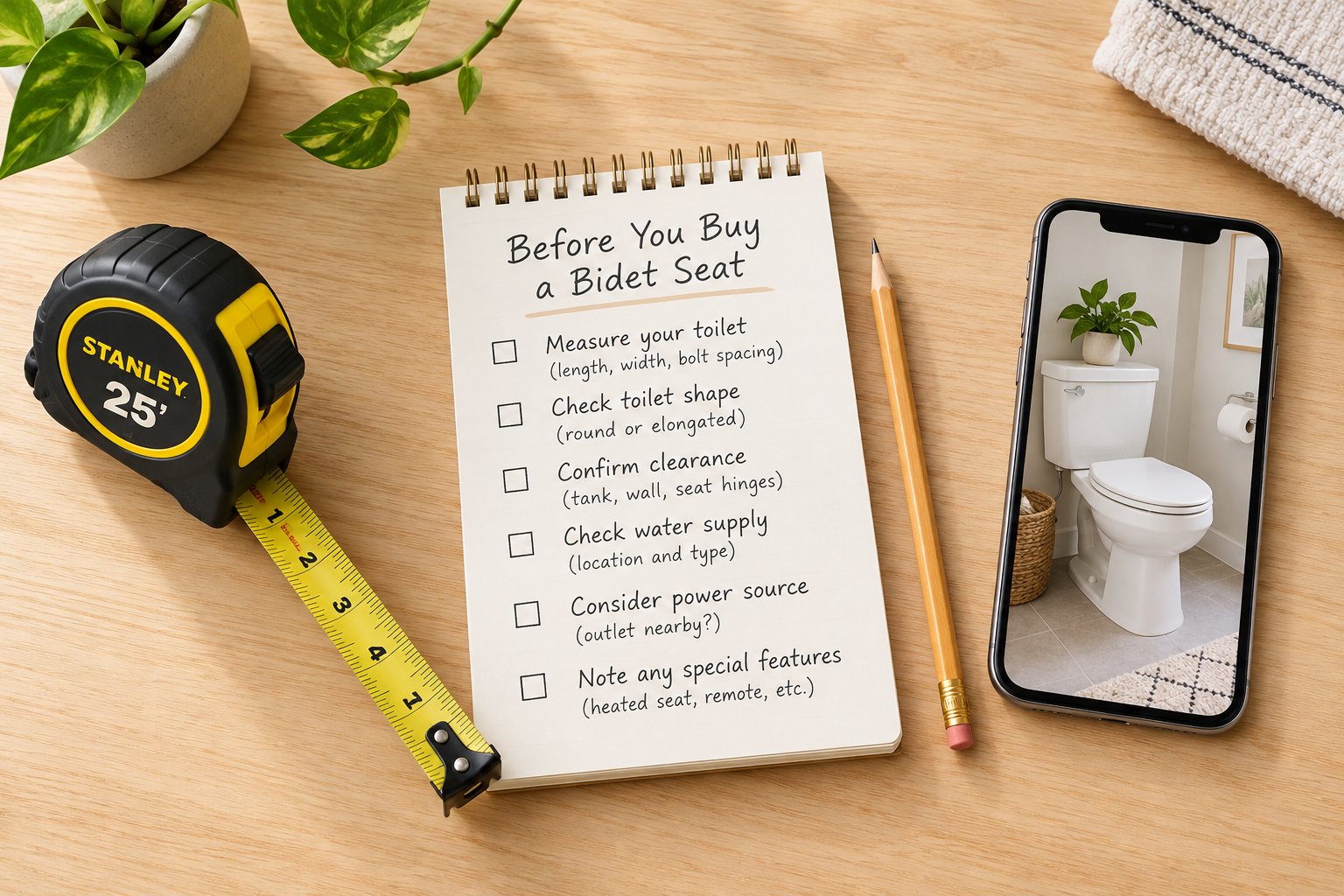
Everything covered in this guide — bowl shapes, power categories, health benefits, installation steps, maintenance routines, and myth-busting — converges at a single practical moment: the point where you are ready to commit. Having that knowledge scattered across eight sections is useful for learning. Having it consolidated into one reference you can pull up on your phone while standing in the bathroom with a tape measure? That is what actually prevents buying mistakes.
Your Before-You-Buy Checklist
Whether you are shopping for a premium model like the Bio Bidet BB-2000 Bliss bidet toilet seat, a budget-friendly bidet for round toilet bowls, or anything in between, run through every item on this list before placing an order. Skipping even one step is how returns happen.
- Measure your bowl shape and bolt spread. From the midpoint between the bolt holes to the front rim edge — 16.5 inches means round, 18.5 inches means elongated. Confirm the bolt spacing is approximately 5.5 inches center to center. A round bidet seat on an elongated bowl leaves exposed porcelain; the reverse creates an uncomfortable overhang.
- Check for a GFCI outlet within reach. Electric models need a grounded, GFCI-protected receptacle within about four feet of the toilet. No outlet means either hiring an electrician or choosing a non-electric model — decide this before falling in love with heated-seat features you cannot power.
- Inspect the water supply shutoff valve. Turn it gently. If it is seized, corroded, or leaking, a plumber should replace it before you attempt any bidet seat installation. A failed valve during a DIY project can mean uncontrolled water on your bathroom floor.
- Decide between electric and non-electric. Match the power category to your infrastructure and climate. Cold-water wash in a warm region may feel perfectly fine. The same setup in a northern winter is a different experience entirely.
- Set a realistic budget. Account for the seat itself plus any electrical work, plumbing prep, or accessories like external water filters. Luxury toilet seats with full feature sets can exceed $1,000, while capable non-electric units start under $100. The total project cost — not just the sticker price — is the number that matters.
- Identify must-have features vs nice-to-have extras. Heated water, warm-air dryer, and oscillating nozzle modes require electricity. Adjustable pressure, self-cleaning nozzle rinse, and dual wash modes are available on non-electric models too. Separate the essentials from the extras before comparison shopping pulls you upmarket.
- Confirm the seat weight rating. Not every bidet toilet lid is rated for the same load. Households with heavier members should verify the manufacturer's stated weight capacity — this specification is sometimes buried in the fine print rather than listed on the main product page.
- Verify return policy and warranty terms before purchasing. Brondell's warranty structure, for example, ranges from a 1-year limited warranty on entry-level bidet seats to a 3-year tiered warranty on premium models, with coverage percentages that decrease in years two and three. Other brands follow different structures entirely. Read the terms — not the marketing summary — before committing, and confirm whether the warranty requires product registration to activate.
This checklist applies whether you are evaluating a Bio Bidet Discovery DLS bidet toilet seat, a basic attachment, or a high-end smart model. Print it, screenshot it, or bookmark it — the goal is having it accessible at the moment of decision, not filed away in a browser tab you will never reopen.
Sourcing Bidet Seat Covers for Brand or Commercial Projects
Individual buyers work through the checklist above and move on. Brands, distributors, and sourcing teams face a different set of variables entirely — ones that multiply every compatibility question by the number of SKUs in a product line.
When you are evaluating a bidet-equipped seat project at scale, the considerations shift from "does this fit my toilet" to "does this fit every toilet our customers own." That means confirming bowl-shape coverage across both round and elongated models, validating mounting hardware compatibility with the most common toilet brands in your target market, specifying regional electrical standards (120V for North America, 220-240V for Europe and Asia), and navigating compliance certifications that vary by destination country.
Additional B2B factors include minimum order quantities, custom branding or finish options, packaging specifications for retail or hospitality distribution, and spare-part availability for after-sale support. As the SANIKB sourcing guide emphasizes, a reliable manufacturer answers questions about spec drawings, certificate scope, quality control plans, and spare-part inventories from a folder they already keep — not from promises they make after receiving a deposit.
The table below organizes pre-purchase considerations into two parallel tracks — one for individual consumers and one for brand or sourcing teams — so each audience can quickly identify the steps relevant to their situation.
| Consideration | Consumer Buyers | Brand / Sourcing Teams |
|---|---|---|
| Starting Point | Measure your own toilet bowl and check outlet availability | Confirm product availability, bowl compatibility, and customization needs with the manufacturer — Tianyun's bidet seat category serves as an entry point for project discussions and direct inquiry |
| Bowl Shape Coverage | Determine whether you need a round or elongated model | Verify that the supplier offers both round and elongated options across the product line to serve diverse end-user toilets |
| Electrical Standards | Check for a nearby GFCI outlet (120V in North America) | Specify destination voltage, frequency, and plug type at the quotation stage — not after production begins |
| Budget Framework | Seat price + potential electrical or plumbing prep costs | Landed cost including unit price, ocean freight, duty, inspection, spare-part buffer, and warranty reserve per unit |
| Feature Selection | Identify personal must-haves (heated seat, dryer, remote) vs extras | Define feature set per market segment and confirm which functions the manufacturer can include, exclude, or customize |
| Quality Assurance | Read independent reviews and check warranty terms | Request quality control documentation: inspection rates, defect classifications, powered function test scope, and packaging drop-test reports |
| Compliance | Confirm the product meets local safety standards (UL listing, ETL, etc.) | Verify that certifications name the exact product ordered — not the product range — and check against the certifying body's own register |
| After-Sale Support | Confirm return window and warranty claim process | Secure a spare-part price list with part numbers, confirm parts availability timeline, and agree on warranty terms per component in writing |
For sourcing teams specifically, the critical takeaway is this: treat the manufacturer inquiry as the first step, not the last. Confirming mounting specifications, MOQ requirements, regional compliance coverage, and customization scope early in the evaluation process prevents costly mismatches once production is underway. Tianyun's bidet seat category provides that starting point for project-level conversations — though specific product listings, dimensions, and customization options should be verified through direct manufacturer inquiry, as the category functions as an entry point rather than a finalized product catalog.
Whether you are a homeowner upgrading a single bathroom or a brand launching a bidet-equipped product line, the path to a confident purchase runs through the same foundation: accurate measurements, honest feature prioritization, verified compatibility, and clear warranty terms. A toilet seat cover with bidet is one of the few bathroom upgrades that genuinely changes daily life — but only when the right product meets the right toilet in the right bathroom. This checklist ensures it does.
Frequently Asked Questions About Toilet Seat Covers With Bidet
1. Can a bidet toilet seat fit any toilet?
Not every bidet seat fits every toilet. You need to confirm three things before buying: bowl shape (round bowls measure about 16.5 inches from bolt holes to rim, elongated bowls about 18.5 inches), bolt hole spacing (standard is 5.5 inches center to center), and tank clearance (at least 1.5 to 2 inches between the bolt holes and the tank face). One-piece toilets with skirted designs may have reduced rear clearance that limits compatibility with certain models. Always measure your specific toilet and cross-reference with the manufacturer's fit guide before ordering.
2. Do bidet toilet seats require special plumbing or electricity?
Non-electric bidet seats require no electricity at all — they connect to the existing cold water supply valve behind your toilet using a simple T-valve adapter included in the box. Electric bidet seats need a GFCI-protected outlet within about four feet of the toilet, which many bathrooms lack. Adding that outlet requires a licensed electrician. Neither type needs new plumbing lines — both tap into the water connection your toilet already uses. For sourcing teams evaluating bidet seat projects at scale, confirming regional electrical standards (120V vs 220-240V) and water connection specs with the manufacturer early is critical.
3. Is a bidet seat more hygienic than toilet paper?
Medical professionals generally consider water-based cleansing gentler and more thorough than dry wiping alone. Cleveland Clinic gastroenterologist Dr. Christine Lee notes that dry toilet paper can cause chafing and micro-cuts on sensitive perianal tissue, while a focused water stream cleans the area without friction. This is especially relevant for people managing hemorrhoids, anal fissures, inflammatory bowel conditions, or postpartum recovery. Modern bidet nozzles also self-rinse before and after each use and retract behind a protective guard, addressing sanitation concerns about the nozzle itself.
4. How long does it take to install a bidet toilet seat cover?
A standard installation takes 30 to 60 minutes for someone comfortable with basic hand tools like an adjustable wrench and screwdriver. The process involves shutting off the water supply, removing the old seat, mounting the new bracket plate, connecting a T-valve to the existing water line, clicking the bidet seat into place, and testing for leaks. Electric models add the step of plugging into a GFCI outlet. Professional help is recommended only if your shutoff valve is corroded, you lack a nearby GFCI outlet, or your bathroom has non-standard plumbing connections.
5. How do you clean and maintain a bidet toilet seat?
Monthly nozzle cleaning is the most important maintenance task. Use the seat's nozzle-extend mode, then wipe the wand with a soft cloth dampened with mild soap or diluted vinegar. Never use bleach, abrasive powders, or harsh chemical cleaners, as these damage plastic and corrode metal components. In hard-water areas, descale nozzle openings every six months by soaking detachable tips in white vinegar for 30 to 60 minutes. Electric models with mesh filter screens should have those filters cleaned at least annually. Periodically check all water connections for slow leaks, and avoid sitting on the lid unless it is specifically weight-rated for that use.
Apply This Insight to Your Project
Tell us what you are building and how the topic “Toilet Seat Cover With Bidet: What No One Tells You Before Buying” relates to your application. Our engineering team can help evaluate the next step.