What a Bidet Toilet Seat Is and Why It Deserves Your Attention
You just unboxed a bidet toilet seat, or maybe you're staring at one in a hotel bathroom, wondering what on earth to do next. That moment of hesitation? Completely normal. Most people in North America and the UK grow up without ever encountering one, so the first reaction is almost always a mix of curiosity and confusion. The good news is that learning how to use a bidet toilet seat is far simpler than it looks, and this guide walks you through every detail from your very first flush to full daily confidence.
What Exactly Is a Bidet Toilet Seat
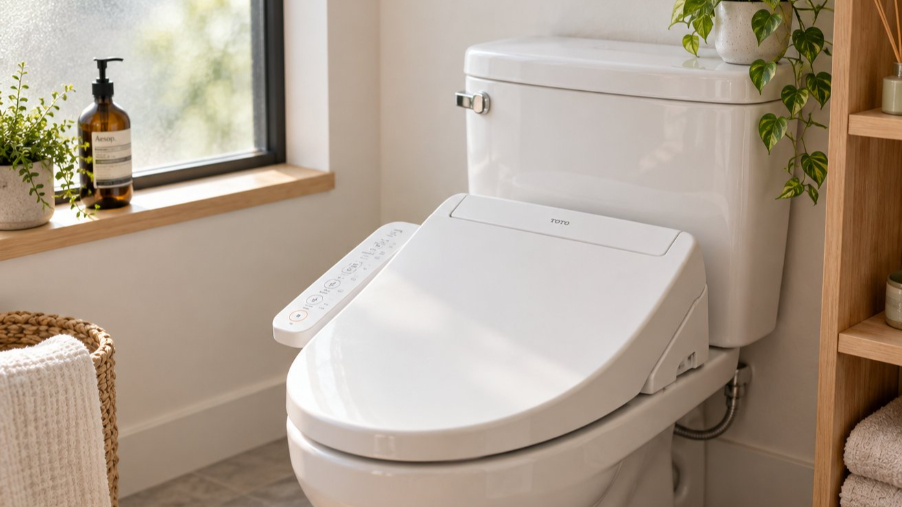
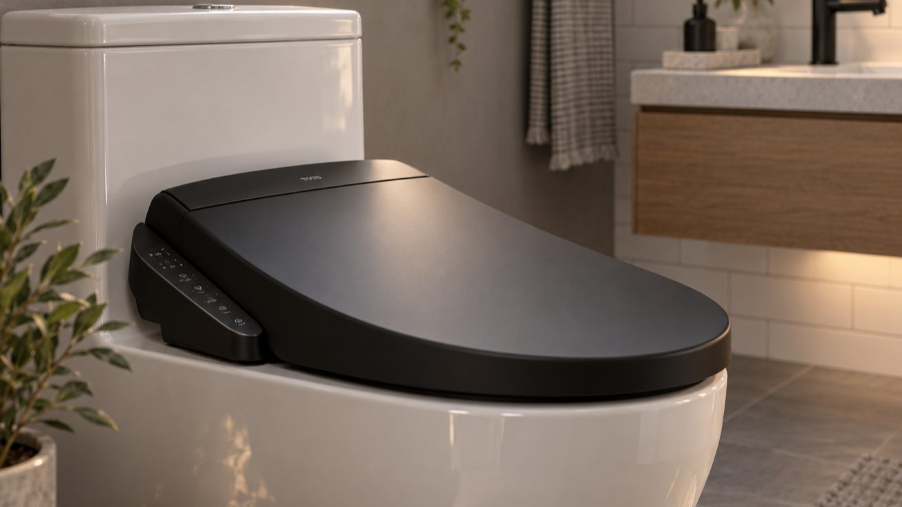
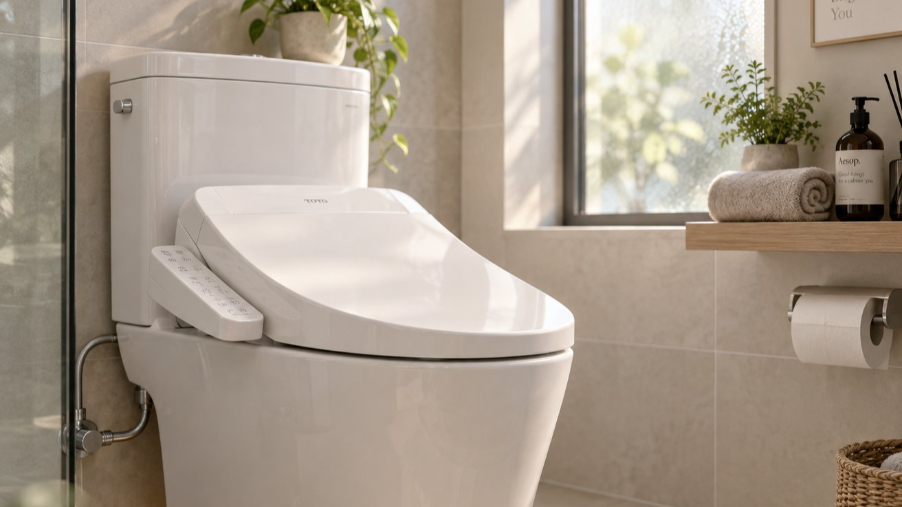
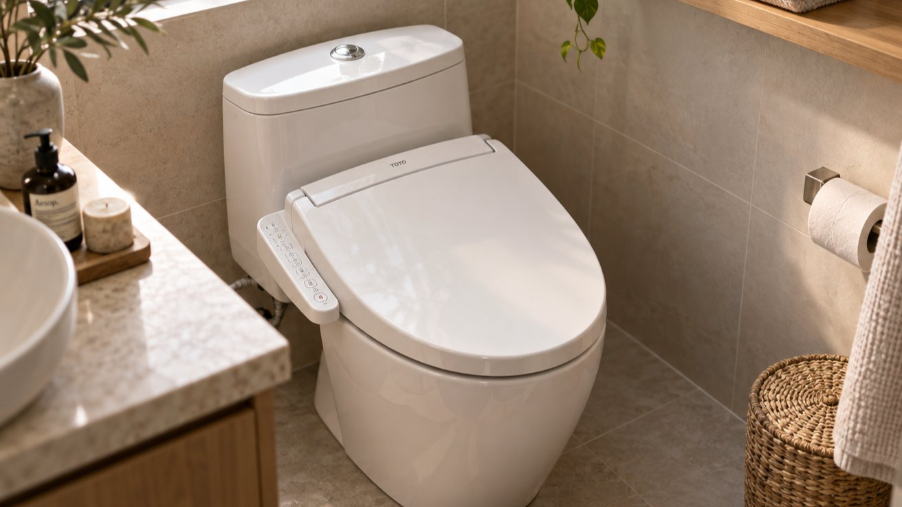
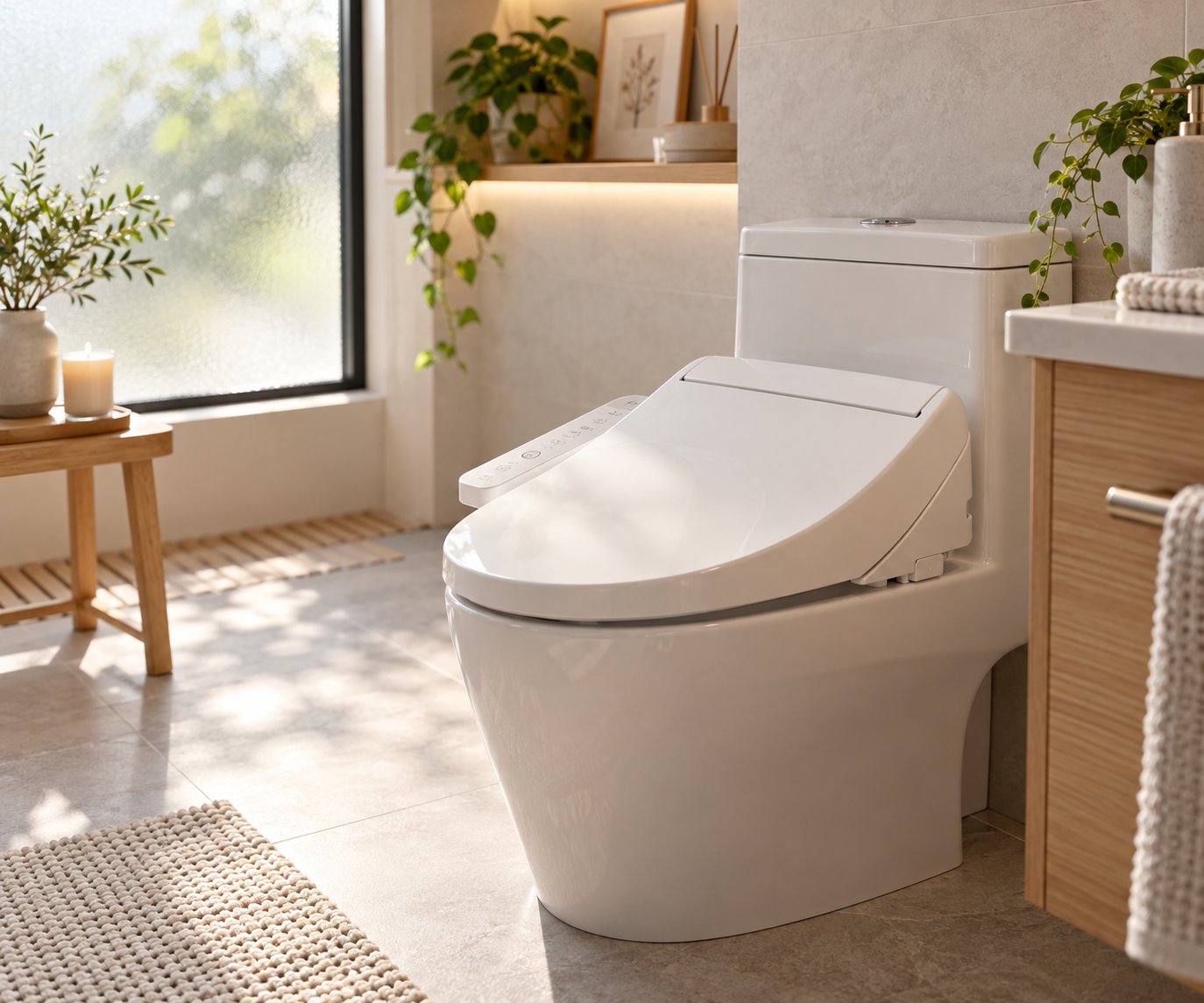
A bidet toilet seat is a replacement seat that mounts onto your existing toilet bowl and uses a built-in retractable nozzle to spray a targeted stream of water for personal cleansing after you use the restroom.
That single sentence captures the core concept. Unlike a separate fixture that takes up extra floor space, a bidet toilet seat sits right where your old seat used to be. It connects to your toilet's water supply line, and when activated, a small nozzle extends beneath you, delivers a controlled wash, then retracts and self-cleans. Electric models plug into a nearby outlet and offer heated water, a warm air dryer, and a heated seat. Non-electric versions rely on water pressure alone and use simple mechanical dials.
If you've ever wondered what is a bidet used for, the answer is straightforward: it replaces or dramatically reduces the need for toilet paper by cleaning you with water instead. Think of it as a tiny, precision shower built into the place you already sit every day.
How It Differs from Standalone Bidets and Attachments
The word "bidet" gets applied to several very different products, and the confusion can trip up first-time buyers. Travelers who have tried to figure out how to use a bidet in Italy or how to use a European bidet likely encountered a standalone porcelain basin sitting beside the toilet. That classic design, originating in early 18th-century France, requires you to move from the toilet to a separate fixture, straddle it, and manually control the faucet. It works, but it demands extra bathroom space, separate plumbing, and a bit of choreography.
A bidet attachment, on the other hand, is a slim plate that slides under your existing toilet seat and adds a basic cold-water nozzle controlled by a side dial. It's the most affordable entry point, yet it lacks the comfort features many users want. A bidet toilet seat combines the convenience of staying on one fixture with the advanced features of a full bidet system. The table below makes the differences easy to compare at a glance.
| Feature | Standalone Bidet | Under-Seat Attachment | Bidet Toilet Seat |
|---|---|---|---|
| Installation method | Separate plumbing fixture; requires dedicated floor space and water lines | Mounts under existing seat; connects via T-valve to toilet supply | Replaces existing seat; connects via T-valve and (for electric models) a GFCI outlet |
| Features available | Hot and cold faucet control; no electronic features | Basic cold-water spray; manual pressure dial | Warm water, heated seat, air dryer, adjustable nozzle position, remote or side-panel controls |
| Typical user experience | Must transfer from toilet to bidet; requires manual hand-guided cleaning | Stay seated; limited comfort adjustments; cold water only | Stay seated; press a button for a fully automated wash, dry, and nozzle self-clean cycle |
If you already own or plan to buy a bidet toilet seat specifically, this guide is built for you. Every step, tip, and troubleshooting fix ahead applies to the seat-style format rather than standalone basins or handheld sprayers.
Why Bidet Toilet Seats Are Gaining Global Adoption
So how does a bidet work its way into millions of homes worldwide? The answer traces back to Japan and South Korea, where electronic bidet seats became standard bathroom fixtures starting in the 1980s. Hotels, offices, and private homes adopted them so widely that encountering a toilet without one became the exception. That cultural shift proved something powerful: once people try water-based cleansing, most never go back to dry paper alone.
Several practical advantages are driving that same shift across North America, Europe, and beyond:
- Reduced toilet paper reliance. Many bidet seat users report cutting their toilet paper consumption by 75% or more. A gentle water wash handles the primary cleaning, leaving only a light pat-dry if anything at all.
- Improved personal hygiene. Water removes residue more effectively than dry paper can. Less friction also means fewer micro-tears, less irritation, and a noticeably cleaner feeling after every use.
- Accessibility for elderly and mobility-limited users. Reaching back to wipe can strain shoulders, hips, and the spine. A bidet seat eliminates most of that twisting by doing the cleaning at the press of a button, helping people maintain independence and dignity in a very personal routine.
- Environmental benefit. Each roll of toilet paper requires roughly 37 gallons of water to manufacture, while a single bidet wash uses about one-eighth of a gallon at the tap. Scaling back paper consumption eases pressure on forests, water systems, and household plumbing.
Whether you stumbled across bidet seats while researching how to use a bidet for the first time, or you already have one mounted and just need a clear walkthrough, this article delivers exactly that. No brand pitches, no fluff — just a practical, step-by-step survival guide covering how do you use a bidet seat from unboxing through your first confident week of daily use.
The real magic, though, happens beneath the seat itself — inside the mechanics that heat, pressurize, and direct the water exactly where it needs to go.
How a Bidet Toilet Seat Actually Works Under the Hood
Pressing a single button triggers a surprisingly elegant chain of events inside your bidet seat. Understanding how a bidet works removes the mystery and builds the kind of confidence that makes your first use feel routine instead of nerve-wracking. Every component — from the water inlet to the nozzle tip — serves a specific purpose, and none of it is as complicated as it sounds.
The Water Path from Supply Line to Nozzle
Here's a question new owners ask constantly: where does the water actually come from? The answer is reassuringly simple. Your bidet seat draws from the exact same fresh water supply line that fills your toilet tank — not from the bowl. A small brass or plastic fitting called a T-valve splits the flow so clean water reaches both the tank and the seat simultaneously.
Imagine the water's journey as a short, controlled trip through a series of checkpoints. Each stage prepares it for the precise spray you'll feel a moment later.
- Shutoff valve at the wall. This is the same knob you'd turn to stop water flow during a toilet repair. It feeds cold water into the system.
- T-connector (T-valve). Installed between the shutoff valve and the toilet tank's fill valve, this fitting diverts a portion of the fresh water supply into a dedicated hose running to the bidet seat's inlet.
- Seat inlet and filter screen. Water enters the seat through a small port, often passing through a mesh or sediment filter that catches particles before they reach internal components.
- Internal heating or mixing chamber. On electric models, cold water flows through either a small tank-style reservoir that keeps a supply pre-heated or a tankless instant-heat element that warms water on demand as it passes through. Non-electric seats skip this stage entirely — the water stays at whatever temperature your household supply delivers.
- Pressure regulation. An internal pump (electric) or a gravity-fed valve controlled by a mechanical dial (non-electric) determines how forcefully the water exits.
- Nozzle tip. The water finally exits through tiny openings in the retractable wand, delivering a focused stream right where you need it.
The entire journey from wall valve to nozzle takes just a second or two. You'll notice warm water arrives almost instantly on tankless models, while tank-style heaters deliver warmth from the first drop but may cool slightly after 30 to 50 seconds if the reservoir empties faster than it reheats.
Electric Versus Non-Electric Bidet Seats
This distinction shapes the entire user experience, so it's worth understanding clearly before you sit down for the first time. An electric bidet seat plugs into a GFCI-protected outlet near the toilet and unlocks a full suite of comfort features. A manual bidet seat — also called a non-electric seat — relies solely on water pressure and mechanical controls, requiring no electricity at all.
Both types deliver the same core benefit: a hands-free water wash that's more hygienic than paper alone. The difference lies in how much control and comfort you get around that wash. The table below lays it out side by side.
| Feature | Electric Bidet Seat | Non-Electric Bidet Seat |
|---|---|---|
| Water temperature | Adjustable warm water via internal heater (tank or tankless) | Cold water only (matches household supply temperature) |
| Seat heating | Yes — multiple warmth levels keep the seat comfortable in any season | No — seat stays at room temperature |
| Warm air dryer | Yes — built-in fan and heating element for hands-free drying | No — requires toilet paper or a towel to pat dry |
| Control type | Electronic side panel or wireless remote with precise digital settings | Mechanical dial or lever mounted on the side of the seat |
| Power requirement | GFCI-protected electrical outlet within approximately three feet of the toilet | None — operates entirely on water pressure |
For anyone learning how to use a bidet correctly for the first time, electric seats tend to be more forgiving. The ability to start with lukewarm water and the lowest digital pressure setting makes the initial experience gentler and easier to fine-tune. Non-electric seats still provide excellent cleansing, but the cold-water-only reality can be a shock — literally — especially in winter months or colder climates. Many people start with a non-electric model to test the concept, then upgrade to electric once they're committed to water-based hygiene.
What Triggers the Nozzle to Extend and Retract
The nozzle is the component most beginners feel curious — or slightly nervous — about. What is a bidet's nozzle actually doing under there, and how does it stay clean? The mechanism is deliberately simple and hygienic by design.
On electric models, a built-in occupancy sensor detects your weight on the seat before any controls become active. This safety feature prevents accidental sprays if a child bumps the remote or you brush a button while cleaning. Only after the sensor confirms someone is seated will pressing Rear Wash or Front Wash trigger the next steps.
Here's the sequence that unfolds in a matter of seconds:
- Pre-rinse self-cleaning cycle. Before the nozzle even extends into position, fresh water runs over its surface inside the housing. This rinse flushes away any residual droplets and ensures the wand is clean before it reaches you.
- Motor-driven extension. A small electric motor or, on non-electric models, water pressure itself pushes the nozzle wand out from its shielded housing to a calibrated position beneath the user. The wand never contacts your body — it simply directs a stream of water upward from below.
- Active wash. Water flows through the nozzle tip at the pressure and temperature you've selected. You can adjust nozzle position forward or backward in real time to fine-tune the spray's aim.
- Post-wash retraction and rinse. The moment you press Stop — or when the automatic timer ends the cycle — the water valve shuts, and the motor pulls the wand back into its housing. Another self-cleaning rinse coats the nozzle surface as it retracts, leaving it sanitized and stowed away.
This pre-and-post rinse cycle is the reason bidet toilet seats maintain a level of hygiene that surprises most first-time users. The nozzle never sits exposed, and it cleans itself every single time it operates. For anyone wondering how to use a bidet as a woman or as a man, the nozzle mechanics are identical — the only variable is which wash mode you select to direct the spray to the right area.
With the plumbing, heating, and nozzle behavior demystified, the next piece of the puzzle is the part you'll actually interact with every day: the control panel and its rows of buttons, each one unlocking a different feature.
Decoding Your Bidet Control Panel Button by Button
Staring at a bidet's remote or side panel for the first time can feel a lot like picking up a TV remote in a foreign language. Rows of icons, cryptic symbols, plus and minus arrows — and zero explanation of what any of them actually do. That uncertainty is the single biggest barrier between you and confidently using a bidet every day. Understanding the bidet meaning behind each button transforms a confusing gadget into something you operate without a second thought.
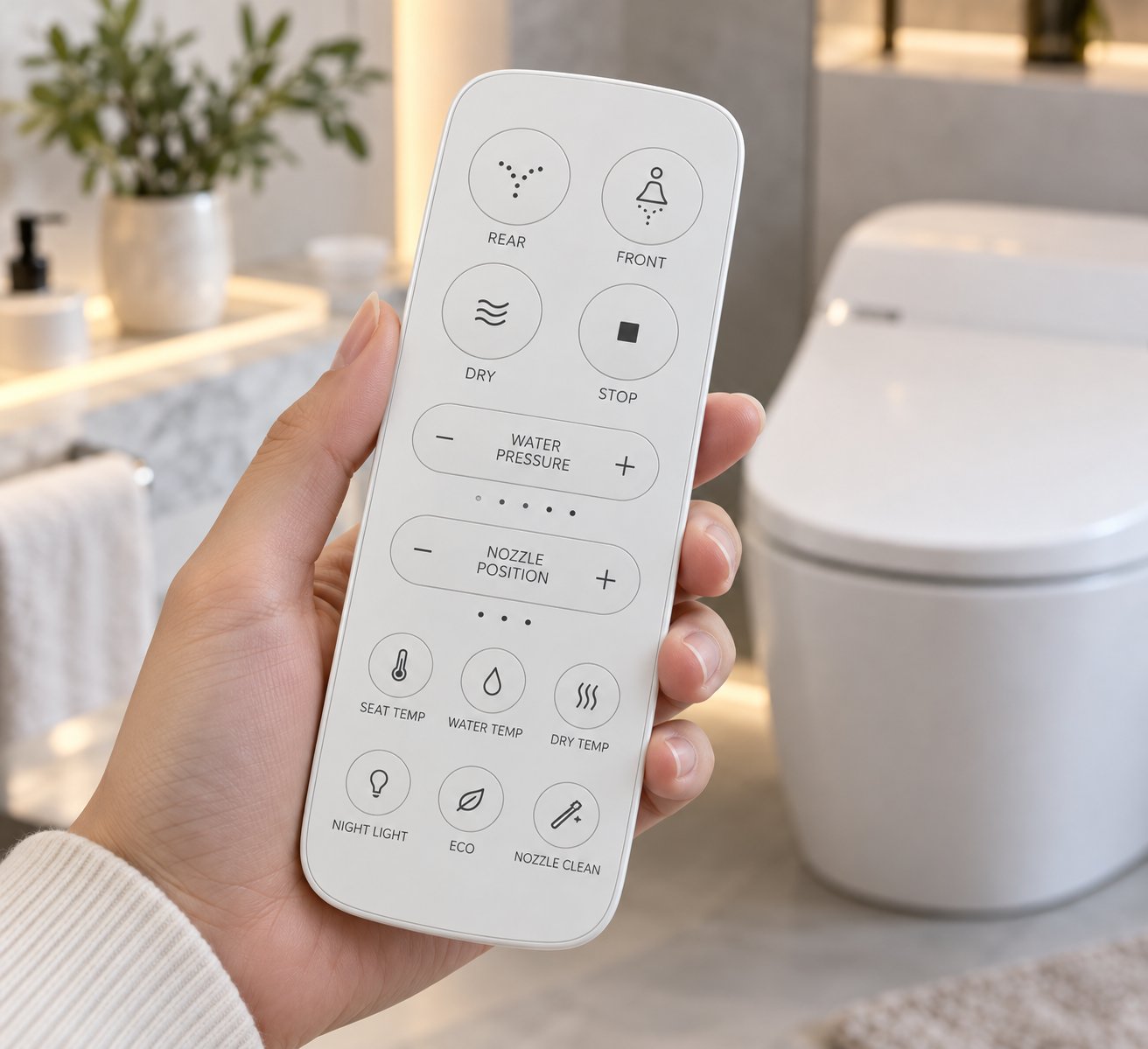
Most bidet toilet seats share a remarkably similar control layout regardless of brand or price point. Once you learn how to work a bidet control panel on one model, you'll feel at home on nearly any other. Let's break the buttons down into three tiers: the essentials you need on day one, the adjustment controls you'll explore by day three, and the bonus features you'll grow to appreciate over your first week.
Core Wash Buttons Every Beginner Must Know
Your very first session requires exactly three buttons. Everything else is optional until you're comfortable. Here's what each one does in plain language:
- Stop. Immediately halts all water flow and begins the nozzle's automatic retraction and self-cleaning rinse. This is your safety net — press it any time something feels off, and the system resets to standby.
- Rear Wash (Posterior Wash). Extends the nozzle and directs a focused stream of water toward the anal area for cleansing after a bowel movement. This is the button most people use most often and the one to press when you're learning how to properly use a bidet for the first time.
- Front Wash (Feminine Wash). Shifts the nozzle to a slightly forward position and delivers a gentler stream aimed at the vulvar area. The spray angle and reduced pressure are specifically calibrated for feminine hygiene.
That's it for day one. Press Rear Wash or Front Wash depending on what you need, let the water do its work for 30 to 60 seconds, then press Stop. You've just completed a full bidet cycle. Every other button on the panel simply refines that experience.
Pressure, Temperature, and Nozzle Position Adjustments
By your second or third session, curiosity takes over and you'll want to dial things in. This is where the plus and minus buttons earn their place.
Water pressure typically offers three to five intensity levels. Always start at the lowest setting — level one feels like a gentle stream from a drinking fountain, while the highest level delivers a focused, purposeful spray. Jumping straight to maximum pressure is the most common beginner mistake and the fastest way to get an unpleasant surprise. Increase by one notch every couple of uses until you land on a pressure that feels thorough without being aggressive.
Water temperature follows the same graduated approach. Electric seats generally provide three to five warmth levels, ranging from room temperature to comfortably warm. Level two or three strikes the sweet spot for most people — warm enough to be pleasant, cool enough to avoid any sting. If you're wondering how does a bidet toilet work with cold water only, you likely have a non-electric model, which skips this control entirely.
Nozzle position is the adjustment most new users overlook, yet it makes the biggest difference in comfort. Pressing the nozzle position button shifts the spray point forward or backward in small increments — typically across five positions — so the water lands precisely where you need it without any awkward body shifting. Think of it as aiming a showerhead: a slight tilt changes everything. Adjust the nozzle rather than scooting around on the seat, and you'll find the ideal alignment quickly.
Bidet Toilet Seat Features Glossary
Beyond the core wash and adjustment buttons, most panels include icons for features that sound technical but are actually straightforward. Using a bidet becomes far less intimidating once you know what each term means. The glossary below covers every common feature you're likely to encounter, defined in one plain-language sentence.
| Feature | What It Does |
|---|---|
| Oscillating Wash | Moves the nozzle slowly forward and backward during the spray cycle, widening the cleaning area so you don't have to reposition manually. |
| Pulsating Wash | Alternates water pressure between stronger and softer bursts in a rhythmic pattern, creating a gentle massaging sensation that can also aid bowel stimulation. |
| Posterior Wash | Another label for Rear Wash — directs a firm, focused stream to the anal area for thorough cleansing after a bowel movement. |
| Feminine Wash | Another label for Front Wash — shifts the nozzle forward and uses softer pressure to cleanse the vulvar area. |
| Warm Air Dryer | Blows a stream of heated air to dry you after the wash cycle, reducing or eliminating the need for toilet paper. Adjustable temperature settings typically range across three to five levels. |
| Heated Seat | Keeps the seat surface at a comfortable warmth with three to four adjustable levels — especially welcome during cold mornings or late-night trips. |
| Eco Mode / Power Save | Reduces energy consumption by lowering seat and water temperature during periods of inactivity, then returns to your preferred settings when you sit down. |
| Night Light | An LED glow — usually illuminating the bowl or the floor beside the toilet — that lets you navigate the bathroom in the dark without switching on harsh overhead lighting. |
| Deodorizer | Draws air from the bowl through a charcoal or carbon filter to neutralize odors at the source rather than masking them with fragrance. |
| Self-Cleaning Nozzle | Automatically rinses the nozzle wand with fresh water before and after every use, maintaining hygiene without any manual effort. |
| User Presets | Saves your preferred combination of pressure, temperature, and nozzle position to a memory button so you can start a fully customized wash with a single press. |
Keep this glossary handy during your first week. When a button or icon looks unfamiliar, a quick glance here tells you exactly what it controls — no guesswork, no accidental surprises. The real payoff comes when you stop referencing it entirely because every feature feels second nature.
Knowing the buttons is one thing. Knowing exactly when to press them — and in what order — during an actual bathroom visit is where the real confidence clicks into place.
Step-by-Step Guide to Using a Bidet Toilet Seat for the First Time
You know how the water system works. You can name every button on the control panel. Yet the moment you actually sit down and reach for that remote, theory gives way to a very real question: what exactly do I do first? This section is the hands-on playbook — a practical, sequential walkthrough designed specifically for bidet toilet seats, not standalone fixtures or handheld sprayers. Follow it once, and you'll wonder why it ever seemed complicated.
Before You Sit Down
A successful first use starts before you ever touch a wash button. A few quick checks prevent every common "nothing happened" moment new users run into.
- Confirm the seat is powered on (electric models). Look for a small LED indicator on the side panel or remote. If the display is blank, check that the power cord is plugged into the GFCI outlet and that the outlet itself hasn't tripped. A quick press of the outlet's reset button solves most dead-panel mysteries.
- Verify the water supply valve is open. The shutoff valve on the wall behind the toilet — and the T-valve connecting the bidet's supply hose — must both be turned to the open position. A closed valve means zero water reaches the nozzle, no matter how many buttons you press.
- Know whether your seat has an occupancy sensor. Most electric bidet seats include a weight-sensing switch built into the seat surface. Controls stay locked until the sensor detects that someone is sitting. This is a safety feature, not a malfunction — so you must actually sit down before the wash buttons respond.
With power confirmed, water flowing, and the sensor requirement in mind, you're ready to go. Think of these three checks the same way you'd glance at the stove knob before cooking: a two-second habit that prevents every possible frustration.
The Complete Step-by-Step Wash Process
Here's how to use a bidet toilet seat from start to finish in ten clear steps. Each one builds on the last, and the entire process takes less than two minutes. People who search "whats a baday" or any similar spelling variation are often encountering this fixture for the very first time — so every detail below is written with absolute beginners in mind.
- Use the toilet as you normally would. Nothing changes about your regular bathroom routine. The bidet portion happens afterward.
- Remain seated — do not stand or hover. Stay sitting in a natural, relaxed position with your weight fully on the seat. Standing up or hovering defeats the occupancy sensor and misaligns the spray. Your feet should rest flat on the floor, and your body should be centered on the bowl.
- Press Rear Wash or Front Wash depending on your need. Rear Wash handles post-bowel-movement cleansing. Front Wash — sometimes labeled Feminine Wash — shifts the nozzle forward for cleansing after urination or during menstruation. Pick the one that matches the situation and press it once.
- Start with the lowest water pressure setting. If your seat remembers the previous user's settings, tap the pressure-down button until you reach level one before the spray begins or immediately after. A gentle stream is all you need for effective cleaning, and it avoids the startled-jump reaction that high pressure causes on a first try.
- Adjust the nozzle position forward or backward until the spray aligns comfortably. Use the nozzle position control — usually a pair of arrows on the panel or remote — to shift the stream's landing point. Small, single-press adjustments are better than sweeping changes. Move the nozzle rather than your body; it's far more precise.
- Allow the water to cleanse for 30 to 60 seconds. There's no need to rush. Let the steady stream do the work. You'll feel the area getting cleaner as the water runs. Most built-in wash cycles are preset to around 60 seconds, but you can extend or shorten the duration based on personal preference.
- Gradually increase pressure if desired. After 10 to 15 seconds at the lowest setting, bump the pressure up by one level if you want a more thorough rinse. Many experienced users settle on a mid-range setting — strong enough to feel effective, gentle enough to stay comfortable.
- Press Stop when finished. One press halts all water flow instantly. The nozzle begins its automatic retraction and self-cleaning rinse. There's no need to hold the button or press a separate off switch.
- Use the warm air dryer if available, or pat dry with a small amount of toilet paper or a dedicated cloth. Electric seats with a built-in dryer let you stay seated for another 60 to 120 seconds while warm air does the work. If your seat lacks a dryer — or you prefer a quicker finish — a light pat with two or three squares of toilet paper gets the job done. A soft, dedicated washcloth is another popular option.
- Stand up — the nozzle will auto-retract and self-clean. Once you rise, the seat sensor deactivates and the nozzle runs a final rinse before tucking itself back into its housing. Flush the toilet as usual. You're done.
That entire sequence — from pressing the wash button to standing up clean — becomes almost automatic after three or four repetitions. Most people who learn how to use bidet seats report that the process feels faster and more refreshing than traditional wiping by the end of their second day.
Do You Wipe Before or After Using the Bidet
This is one of the most frequently asked questions among new bidet users, and the answer is refreshingly flexible: a light pre-wipe is entirely optional, and it comes down to personal preference rather than any strict rule.
Before the wash. The bidet's water stream is designed to handle the primary cleaning all on its own. You do not need to pre-wipe for the bidet to do its job effectively. Some users prefer a quick preliminary wipe simply because it feels familiar or because they're still building trust in the water-only approach. That's perfectly fine — it won't interfere with the wash cycle. Others skip pre-wiping completely from day one and let the water handle everything, which is exactly how do bidets work in the millions of homes across Japan, South Korea, and beyond where bidet seats are a daily standard.
After the wash. Post-wash, a gentle pat-dry is recommended rather than aggressive wiping. The water has already removed residue — the paper or cloth is only absorbing leftover moisture. Two or three squares pressed lightly against the skin are more than enough. Vigorous rubbing at this stage is unnecessary and can irritate freshly cleaned skin. If your seat has a warm air dryer, you can skip paper entirely and let the heated airflow finish the job hands-free.
Here's a realistic breakdown of how toilet paper habits tend to evolve:
- Week one: Most people use a small amount of paper both before and after the wash out of habit and reassurance.
- Week two: The pre-wipe usually disappears as confidence in the water stream grows. A light post-wash pat-dry remains.
- Week three and beyond: Many users rely solely on the air dryer or a single pat with minimal paper. Some eliminate toilet paper from the equation altogether.
The bottom line? There's no wrong answer. Whether you keep a light wiping step or drop it entirely, the bidet seat handles the heavy lifting. Your toilet paper roll simply lasts dramatically longer.
If you've ever searched "whats a baday" or how to use a european bidet and landed here instead, you've actually found the more practical solution. Unlike a standalone European bidet that requires transferring between fixtures, or a portable bidet that demands manual aim, the bidet toilet seat keeps you in one place and automates the process. Knowing how to use a portable bidet or a standalone basin is useful when traveling, but at home, the seat-based approach outlined above is as straightforward as daily routines get.
Mastering the basic sequence is the foundation — but bodies are different, routines vary, and specific situations call for slightly different approaches. The right adjustments for women, men, and everyday scenarios make the difference between a bidet seat that works and one that works perfectly for you.
How Do I Use a Bidet Seat as a Woman, a Man, or in Specific Situations
A ten-step wash sequence is a great universal starting point, but here's the reality: bodies come in different shapes, personal hygiene needs shift throughout the day, and a routine that works perfectly for one person may need small tweaks for another. The same bidet toilet seat that a six-foot man uses after a morning bowel movement also needs to serve a petite woman during menstruation, a grandparent with stiff joints at 2 a.m., and a runner who just wants a quick refresh after a workout. Understanding how does bidet work differently across these scenarios — or more accurately, how you adjust a handful of settings to match each one — is what separates a basic user from someone who genuinely looks forward to every session.
Using a Bidet Toilet Seat as a Woman
The front wash (often labeled Feminine Wash on the control panel) is the feature designed specifically for female anatomy. When you press this button, the nozzle extends slightly farther forward than it does during a rear wash and delivers a softer, wider spray pattern aimed at the vulvar area. The reduced pressure isn't a limitation — it's intentional. Delicate tissue doesn't need the same intensity as a posterior rinse, and the gentler stream provides thorough external cleansing without discomfort.
Hygiene-conscious design also plays a role here. Most bidet seats engineer the water flow direction from front to back, mimicking the wiping direction healthcare professionals recommend. This means clean water contacts the urethral area first and flows rearward, reducing the risk of introducing bacteria from the anal region. You don't have to think about water direction while sitting — the nozzle angle handles it for you.
A few practical pointers make the feminine wash even more effective:
- Sit fully back on the seat. Shorter women especially tend to perch toward the front of the bowl, which can leave the nozzle spray falling behind the intended target. Scooting back ensures proper alignment. As bidet usage experts note, leaning the upper torso slightly forward also changes the angle below, helping the front spray reach the right spot.
- Adjust nozzle position forward if needed. If the default front wash position doesn't quite reach, tap the nozzle position button forward by one or two increments rather than shifting your body.
- Keep pressure at a low to moderate level. The feminine wash mode already defaults to gentler pressure on most seats. Unless you feel the stream isn't reaching the intended area, there's rarely a need to increase beyond mid-range.
For women who have wondered how do i use a bidet in a way that's actually tailored to female anatomy rather than a generic one-size-fits-all approach, the front wash function is the answer. It turns a universal fixture into something that addresses specific needs with a single button press.
Using a Bidet Toilet Seat as a Man
Rear wash is the primary mode for most men, and it handles the vast majority of daily needs. The nozzle extends to a standard posterior position and delivers a focused stream for thorough cleansing after a bowel movement. Simple, direct, and effective — once the spray alignment is right, the experience is remarkably straightforward.
The adjustment most men benefit from is nozzle position. Body size, height, and natural sitting posture all influence exactly where the spray lands. Taller men often need to shift the nozzle slightly rearward, while shorter or stockier men may find a forward adjustment more accurate. Rather than scooting around on the seat, use the position control to move the stream in small increments until it hits the target area precisely.
Here's what catches many first-time male users off guard: the sensation itself. Even at the lowest pressure, a stream of water in that area is an entirely new feeling. Some describe it as mildly startling, others as unexpectedly pleasant — but almost no one calls it painful. The key is resisting the urge to jump straight to higher pressure out of curiosity. Start at level one, let yourself get used to the sensation for a few sessions, and then gradually dial it up. Most men settle into a comfortable mid-range pressure within three to five uses and never think about the adjustment again.
Body positioning matters too. Users with a higher BMI or more body hair may find that leaning the torso slightly forward or shifting side to side helps the water reach more thoroughly. These micro-adjustments become instinctive quickly — similar to finding a comfortable showerhead angle — and the oscillating wash feature can also widen the spray area for a more comprehensive clean without any manual repositioning.
Scenario-Specific Usage Tips
Beyond gender-specific wash modes, daily life throws plenty of situations at you where the bidet seat earns its place in entirely different ways. A washroom bidet isn't just for one moment of the day — it adapts to routines you might not have considered yet. Here are the most common scenarios and how to get the best result from each.
- Routine daily use. Develop a consistent "home base" setting — a specific pressure level, water temperature, and nozzle position that feels right every time. Many electric seats let you save these as a user preset, so your ideal wash launches with a single button press. Consistency turns the bidet into an effortless habit rather than a daily experiment. If you use the bidet multiple times a day, the same saved settings keep things fast and predictable.
- Feminine hygiene during menstruation. The front wash at gentle pressure provides soothing, effective cleansing during your period without irritation. The warm water can actually ease minor cramping discomfort, and the ability to freshen up multiple times a day without aggressive wiping reduces skin sensitivity. Pat dry gently afterward or use the air dryer — avoid rubbing, which can aggravate already-sensitive tissue.
- Post-workout freshness. Came home from a run or gym session? A quick rear wash cycle at moderate pressure delivers an instant clean feeling without needing a full shower. It takes under 90 seconds, uses a fraction of the water a shower would, and handles perspiration buildup in the areas where it matters most. Many users who exercise regularly consider this one of the bidet's most underrated everyday benefits.
- Nighttime use. Enable the night light feature before bed so you can navigate the bathroom without flipping on harsh overhead lighting. A soft LED glow — typically blue or amber — illuminates the bowl or floor just enough to see what you're doing. Combined with a heated seat, a 2 a.m. bathroom trip becomes far less jarring. Your eyes stay adjusted to the dark, and the warm seat prevents that cold-porcelain jolt that wakes you up completely.
- Elderly or mobility-limited users. This is where a bidet seat transforms daily life most dramatically. Seniors with arthritis, reduced grip strength, or limited spinal flexibility often struggle with the twisting and reaching that traditional wiping demands. A bidet seat eliminates most of that physical effort — press a button, let the water clean, then use the air dryer or a light pat to finish. The process requires no twisting, no reaching behind the body, and no repetitive wiping motions. For many older adults, this single change restores a level of independence and dignity in one of the most personal daily routines. Caregivers benefit equally, as the seat reduces hands-on hygiene assistance and makes the entire process quicker and more comfortable for everyone involved.
Whether you're exploring how to use bidet features for the first time in Italy, adapting to a shattafa-style spray while traveling, or simply fine-tuning your everyday home routine, the principle stays the same: small adjustments to nozzle position, pressure, and wash mode let one fixture serve dramatically different needs. That adaptability is what makes a bidet toilet seat practical for an entire household — not just one user.
Of course, knowing the right settings and actually feeling comfortable using them are two different things. The gap between understanding and instinct takes a few days to close, and the sensations during that adjustment window can catch even well-prepared beginners off guard.
Navigating the First-Week Learning Curve with Confidence
Here's something almost no bidet guide will tell you: the first few days feel a little weird. Not bad, not painful, just... unfamiliar. You pressed the right buttons, the water hit the right spot, and everything worked exactly as described — yet something in the back of your mind kept whispering, "Is this normal?" It is. Every single person who has ever learned how to use a bidet toilet went through the same mental recalibration. The difference between people who abandon the seat after two days and those who can't imagine life without it comes down to understanding what the adjustment period actually looks like and knowing it has a clear, short expiration date.
What to Expect in Your First Three Days
Day one delivers the biggest surprise — not because anything goes wrong, but because your body has literally never experienced a stream of water in that context before. The sensation registers somewhere between "unexpected" and "oddly refreshing," and most people instinctively tense up or shift their weight the first time the nozzle activates. That reaction fades fast, usually by the second or third use on the same day.
Beyond the physical sensation, the first three days typically involve a few predictable stumbling points:
- Difficulty finding the ideal nozzle position. You'll probably press the nozzle adjustment button a few too many times, overshoot the target, and need to backtrack. That's fine. Think of it like adjusting a car's side mirror — it takes a couple of tries the first time, then you never touch it again.
- Uncertainty about pressure. Even at the lowest setting, the water feels more purposeful than most beginners expect. The temptation to immediately hit Stop is real. Resist it for at least ten seconds. Your body adapts to the sensation quickly, and what felt startling at second three usually feels comfortable by second fifteen.
- Overthinking the process. New users tend to mentally narrate every step — "Okay, now I press this, now I adjust that" — which makes a 90-second routine feel like a five-minute ordeal. This self-consciousness is completely normal and fades on its own as muscle memory takes over.
The single best piece of advice for days one through three? Keep both water pressure and temperature at their lowest settings. You can always increase later, but starting gentle gives your body and your brain time to catch up without any jarring moments. Most users report feeling genuinely comfortable — not just tolerant, but actually comfortable — within three to five uses. That's often less than 48 hours of normal bathroom visits.
Building Comfort Through the First Week
Something interesting happens around day three or four. You stop thinking about the mechanics. The button presses become automatic, the nozzle position you dialed in on day two stays saved in the seat's memory, and the water sensation shifts from "noticeable" to "expected." This is the moment when how does a toilet bidet work stops being a question and starts being background knowledge — like knowing how your shower works without consciously thinking about pipes and valves every morning.
This mid-week transition is the ideal time to start experimenting. Try increasing the water pressure by one level every two days. Move from level one to level two on day four, then to level three around day six. Each bump feels like a small, manageable change rather than a dramatic leap. Most people land on their permanent preferred pressure — typically mid-range — by the end of the first week.
Temperature exploration follows the same pattern. If you've been using the lowest warm setting, nudge it up a notch. You might discover that slightly warmer water feels more soothing, or you might prefer the crispness of a cooler wash. There's no universally "correct" temperature — it's entirely about personal comfort, and the only way to find yours is gradual experimentation.
Here's a detail that surprises many first-week users: your toilet paper consumption drops faster than you expect. Most people start the week still using paper both before and after the wash out of pure habit. By day four or five, the pre-wipe usually disappears because the water obviously handles the job. By the end of the week, many users are down to a light pat-dry with two or three squares — or skipping paper entirely in favor of the warm air dryer. You don't have to force this transition. It happens naturally as trust in the water-based clean builds through repetition.
If you're wondering how to sit on a bidet toilet seat differently than you would on a regular seat, the answer is simple: you don't. Sit naturally, centered on the bowl, feet flat on the floor. No special posture, no hovering, no leaning at extreme angles. The seat and nozzle are engineered around a normal sitting position, so the less you overthink your body placement, the better the spray alignment works.
Common Mindset Shifts for First-Time Bidet Users
The physical learning curve is short. The psychological one can linger a little longer — not because the bidet is difficult, but because water-based cleansing challenges a deeply ingrained cultural habit. If you grew up in North America, the UK, or Australia, dry toilet paper was likely presented as the only option from early childhood. Switching to water can feel like breaking an unspoken rule, even when you logically understand it's a better method.
That hesitation is worth acknowledging head-on. Billions of people across Asia, the Middle East, South America, and parts of Europe use water-based hygiene every single day. In Japan and South Korea, electronic bidet seats are installed in the majority of households. Travelers who have encountered a European bidet or a handheld sprayer in Southeast Asia have already seen firsthand that water-based cleaning isn't exotic — it's the global norm. Toilet-paper-only hygiene is actually the outlier when you zoom out to a worldwide perspective.
The initial awkwardness of using a bidet toilet seat typically lasts three to five sessions — but the noticeably cleaner feeling it delivers tends to last a lifetime, and most users say they could never go back to paper alone.
That sentiment echoes across nearly every first-time user's experience. The mental shift follows a predictable arc: curiosity, mild self-consciousness, growing comfort, and then a genuine preference that feels almost irreversible. By the end of your first week, the bidet isn't something you're "trying out" anymore. It's simply how you use the bathroom.
Confidence with the daily routine, however, only tells half the story. The other half — making sure the seat is properly installed, correctly sized for your bowl, and connected to the right power and water sources — determines whether that routine runs smoothly from the very first flush.
How Does a Bidet Toilet Seat Work on Your Toilet
A bidet toilet seat can offer the most advanced wash settings in the world, but none of that matters if it wobbles on the bowl, can't reach a power outlet, or sprays at the wrong angle because the sizing is off. Installation is the unsexy prerequisite that makes everything else possible — and it's also the step most guides either skip entirely or bury in a footnote. The good news? Most bidet seats are designed for homeowner installation without calling a plumber, and the entire process typically wraps up in under an hour with basic tools you probably already own.
Round Versus Elongated Bowl Compatibility
Before you even open the bidet seat's box, you need to answer one critical question: is your toilet bowl round or elongated? Getting this wrong is the single most common compatibility mistake, and it leads to a seat that overhangs the front of the bowl, sits too far back, wobbles under your weight, or positions the nozzle where it can't aim correctly.
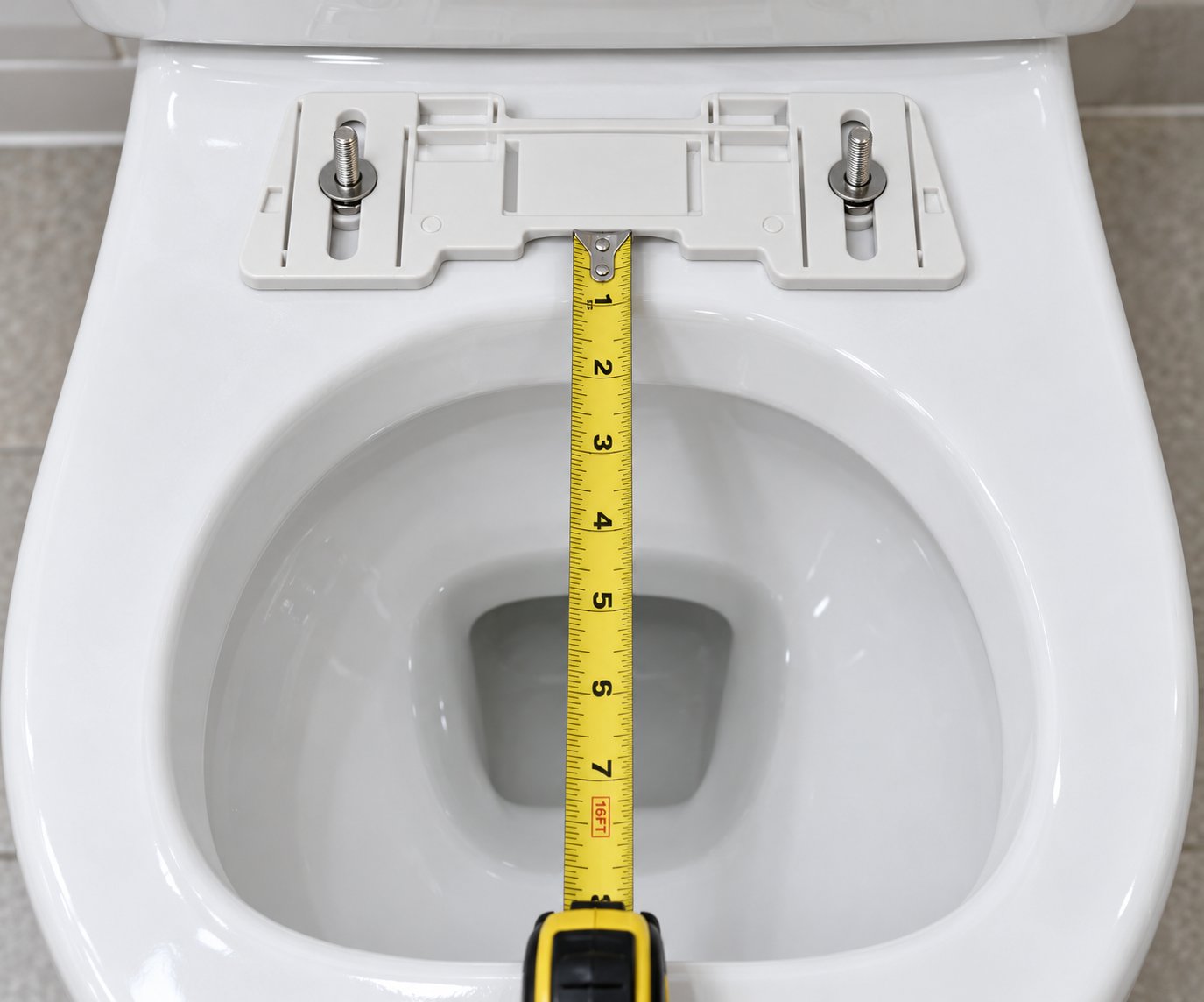
Here's the quick distinction. Round bowls measure approximately 16.5 inches from the mounting bolt holes at the back to the very front tip of the bowl. Elongated bowls measure approximately 18.5 inches across that same span. The shape difference is visible — elongated bowls have a more oval profile, while round bowls look closer to a circle — but eyeballing it isn't reliable enough. A tape measure takes ten seconds and eliminates all guesswork.
To measure correctly, follow this process recommended by Bio Bidet's compatibility guide:
- Locate the two mounting bolt holes at the back of the seat hinge. These are the anchor points where any toilet seat — standard or bidet — attaches to the bowl.
- Measure in a straight line from the center point between those bolt holes to the very front edge of the bowl. A reading near 16.5 inches means round; near 18.5 inches means elongated.
- Check the bolt hole spacing. The distance between the two mounting holes should fall between 5.5 and 7.5 inches. Anything outside that range — common on some older or specialty toilets — may be incompatible with standard bidet seat brackets.
- Measure the clearance between the bolt holes and the toilet tank. You need at least 1.5 inches of space for the bidet's mounting plate and any hinge mechanisms to fit without pressing against the tank.
Bidet seats are manufactured in both round and elongated versions, and installing the wrong size on your bowl creates problems that no amount of adjustment can fix. The seat won't distribute your weight evenly, the nozzle alignment shifts from its calibrated position, and the entire unit may rock or slide during use. Always match the seat size to your bowl measurement — this single step prevents the majority of installation headaches.
One more detail worth noting: most bidet seats fit standard one-piece and two-piece toilets without issue. However, certain specialty designs — particularly one-piece toilets with a deep French curve where the tank flows seamlessly into the bowl — can create clearance problems near the mounting area. If your toilet has an unusual shape, checking the manufacturer's compatibility notes or contacting their support team before purchasing saves a frustrating return.
Electrical and Water Supply Requirements
Understanding how does bidet toilet seat work from an infrastructure standpoint comes down to two connections: electricity and water. Neither one requires professional-grade renovation, but both need to be confirmed before installation day.
Electrical requirements (electric models only). An electric bidet seat needs a GFCI-protected outlet within approximately three feet of the toilet. GFCI stands for Ground-Fault Circuit Interrupter — it's the type of outlet with small "test" and "reset" buttons on the face, required by electrical code in all wet locations like bathrooms. This outlet powers every premium feature: heated water, the warm air dryer, the heated seat, the night light, and the electronic control panel.
Many bathrooms already have a GFCI outlet near the vanity, but it may sit too far from the toilet for the bidet's power cord to reach. Extension cords are not a safe solution — using one in a bathroom violates safety codes and introduces a serious shock hazard near water. If no outlet exists within reach, hiring a licensed electrician to install one is the recommended path. It's typically a straightforward job — often completed in under an hour — and it's a one-time investment that serves the bidet seat for its entire lifespan.
Water supply connection. Every bidet toilet seat — electric or non-electric — connects to your toilet's existing cold water supply line using a T-valve (also called a T-connector). This small brass or plastic fitting threads onto the fill valve at the base of the toilet tank, splitting the fresh water flow into two paths: one continues filling the tank as usual, and the other diverts through a dedicated hose into the bidet seat's inlet. No new plumbing lines, no drilling through walls, no hot water hookup needed. The seat's internal heater (on electric models) warms the cold supply water on its own.
The T-valve and connecting hose are almost always included in the bidet seat's packaging. The only tool you'll typically need is an adjustable wrench to loosen the existing supply line nut and snug down the new connections. A small towel placed beneath the work area catches the few tablespoons of residual water that drip out when you disconnect the supply line — a minor detail, but one that keeps the floor dry and the process tidy.
Mounting and Getting Started
With your bowl measured and your power and water connections confirmed, the physical installation follows a logical sequence. Most bidet seats ship with illustrated instructions specific to the model, but the general steps are consistent across virtually every brand. Here's what the process looks like from start to finish, based on standard installation procedures outlined by sources including The Home Depot and multiple manufacturer guides:
- Turn off the water supply and flush to empty the tank. Rotate the shutoff valve on the wall behind the toilet clockwise until it stops. Then flush the toilet and hold the handle down to drain as much water as possible from the tank. Place a towel or small bucket beneath the supply line connection to catch residual drips.
- Remove the existing toilet seat. Pop open the bolt caps at the back of the seat hinge and unscrew the mounting bolts using a screwdriver or wrench. Lift the old seat off and clean the porcelain rim thoroughly — a flat, debris-free surface ensures the new mounting plate sits level.
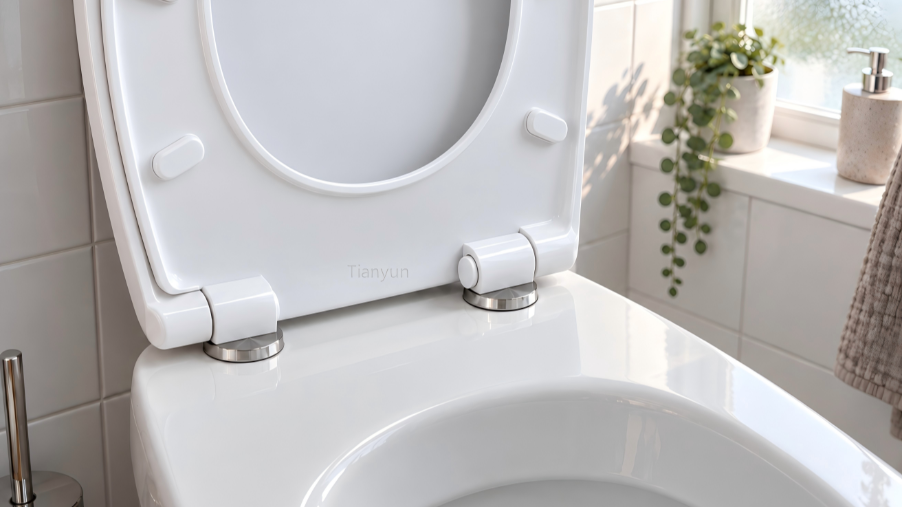
- Attach the bidet mounting bracket to the bolt holes. Align the bracket (sometimes called a catch plate or mounting plate) over the existing bolt holes on the toilet rim. Insert rubber sleeves or guides if included, place the bolts through the bracket, and hand-tighten. Use a level across the plate to confirm it sits flat, then snug the bolts securely — firm enough to prevent shifting, but not so tight that you crack the porcelain.
- Connect the T-valve to the water supply. Unscrew the existing supply hose from the base of the toilet tank's fill valve. Thread the T-valve onto the fill valve inlet, reattach the original supply hose to the bottom port of the T-valve, and connect the bidet's braided hose to the side port. Hand-tighten each connection first, then give a final quarter-turn with a wrench. Over-tightening plastic fittings is a common mistake that cracks threads and causes leaks.
- Slide the bidet seat onto the bracket until it clicks. Most seats use a rail-and-groove system — you position the seat at the front of the bracket and push it rearward until a locking mechanism engages with an audible click. The seat should feel solid and stable with no wobble. A quick-release button lets you detach the seat later for cleaning without removing the bracket.
- Plug in the power cord (electric models). Route the cord neatly along the side of the toilet to the GFCI outlet. Avoid running it across foot traffic areas or letting it drape into contact with water. Once plugged in, the seat may run a brief self-diagnostic cycle — a series of beeps, a nozzle extension test, or a status light — to confirm all systems are functional.
- Turn the water back on and test. Open the shutoff valve slowly. Check every connection point — the T-valve, the supply hose joints, and the seat inlet — for drips. Activate the rear and front wash cycles briefly (you can trigger the occupancy sensor by pressing your hand firmly on the seat) to confirm the nozzle extends, water flows, and pressure responds to the controls. Inspect for leaks one final time under active water flow.
The entire process — from removing the old seat to running the first test spray — takes most people 30 to 45 minutes. No specialized plumbing knowledge is required, and the only tools you'll likely reach for are a screwdriver, an adjustable wrench, and a level. If anything about how do bidet work installations still feels unclear after reviewing the steps, most manufacturers offer video walkthroughs and customer support lines specifically for installation questions.
For sanitary ware brands and sourcing teams evaluating bidet seat projects at scale, confirming bowl compatibility, mounting specifications, and customization requirements early in the development process is critical. Tianyun's bidet seat category serves as a starting point for manufacturers to inquire about product availability, technical requirements, and sourcing details directly with the manufacturer.
A properly installed bidet seat should feel rock-solid on the bowl, produce zero leaks at every connection point, and respond to every control input without hesitation. If something doesn't behave as expected — a cold burst when you selected warm water, a spray that misses its mark, a nozzle that refuses to extend — the fix is almost always simpler than you'd think. Knowing what is a bidet toilet supposed to do versus what's actually happening narrows the troubleshooting to a handful of quick adjustments.
Troubleshooting the Most Common Beginner Problems
Something isn't working the way you expected. The water feels ice-cold, the spray lands in entirely the wrong spot, or the nozzle just... sits there doing nothing. Before you assume the seat is defective or start questioning every connection you made during installation, take a breath. Nearly every issue a first-week user encounters falls into one of four categories, and each one has a fix that takes less than a minute. Understanding how do bidet toilets work at a basic level — sensor activation, water heating, nozzle positioning — is usually all you need to diagnose the problem yourself.
Spray Feels Too Cold or Shockingly Warm
Temperature surprises are the single most common complaint during the first few days. You pressed the wash button expecting soothing warmth, and instead, a burst of cold water made you flinch. Or the opposite happened — the stream felt hotter than you anticipated, and you hit Stop before the wash even began.
Here's what's actually happening. If your bidet seat uses a tankless (instant-heat) system, the very first second of water flowing through the heating element may arrive cool because the element hasn't fully engaged yet. This initial cold burst is a normal characteristic of tankless heaters, not a malfunction. It resolves within one to two seconds as the heating element reaches operating temperature. Once the water warms up, it stays consistently warm for the entire wash cycle — a key advantage of tankless designs over reservoir-based models.
If the water stays cold throughout the entire wash, the issue is almost always one of these quick fixes:
- Check that the seat is plugged in. This sounds obvious, but it's the most frequently overlooked cause. A non-electric seat only delivers cold water by design. An electric seat that has come unplugged — or whose GFCI outlet has tripped — loses all heated features, including warm water. Press the reset button on the outlet and confirm the seat's indicator light is active.
- Verify the temperature setting isn't at minimum. Some seats default to the lowest temperature after a power interruption. Tap the temperature-up button two or three times and test again. Common troubleshooting guidance confirms that water temperature set to "LOW" is one of the most frequent causes of cold-wash complaints.
- Wait for the tank to refill (tank-style heaters only). If your model uses a small reservoir that pre-heats water, back-to-back uses can deplete the supply faster than it reheats. Waiting approximately three minutes between uses allows the tank to recover fully.
If the water feels too warm or uncomfortably hot, the fix is even simpler: lower the temperature setting by one level. Most seats offer three to five increments, and dropping a single notch is usually enough to shift from "too warm" to "just right." How do heated toilet seats work with water temperature is purely a matter of internal thermostat calibration — each level corresponds to a specific target temperature, so fine-tuning is precise and predictable.
Water Hits the Wrong Spot or Sprays Outside the Bowl
You activated the wash, felt the water stream, and realized it was landing several inches off target — or worse, spraying against the inner rim of the bowl and causing splashback. This is the issue that makes beginners doubt whether the seat is compatible with their toilet, when the real culprit is almost always nozzle position or sitting posture.
Nozzle position adjustment is the first thing to try. Most users who report a misaligned spray simply haven't shifted the nozzle forward or backward using the control panel. Each press of the nozzle position button moves the spray point in a small increment — typically one of five available positions — so two or three taps in either direction usually brings the stream into alignment. Think of it like adjusting a showerhead: the fixture stays in place while the aim changes.
Sitting position plays an equally important role. If you're perched too far forward on the seat, the spray lands behind where you need it. If you're shifted too far back, the stream may fall short. Your weight distribution literally changes the geometry between nozzle and body. Center yourself on the seat with your hips squarely over the bowl opening, and the default nozzle position will be much closer to its intended target from the start.
Splashing or water escaping the bowl usually happens at high pressure settings. When the stream hits the body and deflects outward with enough force, droplets can land on the seat rim or even the floor. The solution is straightforward: reduce the pressure by one or two levels. A mid-range setting provides thorough cleansing without the velocity that causes deflection. Many experienced users never go above the third of five pressure levels for exactly this reason.
If you're figuring out how to use a bidet as a man and finding that the spray consistently misses, try leaning your upper torso slightly forward. This small posture shift changes the angle below and often brings the stream directly to the target area without any nozzle adjustment at all. The same tip applies to users of any body type who feel the spray alignment is close but not quite centered.
Sitting Position Feels Awkward or Uncomfortable
Some first-time users instinctively change their posture the moment the nozzle activates — hovering slightly, clenching, or shifting their weight to one side. The result feels physically awkward, and it throws off the spray alignment at the same time. Here's the key insight: you don't need to sit any differently on a bidet toilet seat than you would on a regular toilet. No special stance, no strategic leaning, no bracing yourself. The seat and nozzle are engineered around a completely natural sitting position.
If things still feel off, run through this quick-fix checklist:
- Sit fully back on the seat. Your hips should rest against the rear curve of the seat, not perched toward the front edge. This centers your body over the nozzle's default spray zone.
- Keep feet flat on the floor. Planting both feet provides stability and prevents the unconscious tendency to hover or lift your weight off the seat — which can deactivate the occupancy sensor mid-wash.
- Relax rather than hover. Let your full weight rest on the seat. Hovering even slightly reduces sensor contact, shifts the spray angle, and creates muscle tension that makes the whole experience feel more stressful than it needs to be.
- Adjust the nozzle position rather than your body position. If the spray isn't landing right, your instinct will be to scoot forward, lean sideways, or twist. Resist that urge. Use the nozzle position control instead — it's specifically designed to move the stream to you, not the other way around.
Within two or three sessions, the "bidet toilet how to use it comfortably" question answers itself. Your body learns the posture passively, the same way you learned to sit at a desk or drive a car without consciously planning each movement. The awkwardness truly is temporary.
The Nozzle Does Not Extend
You pressed the wash button, heard a faint click or hum, and... nothing happened. The nozzle stayed tucked inside its housing. This is understandably alarming for a new user, but it's rarely a sign of a broken seat. The most common cause is the occupancy sensor not detecting your presence.
Most electric bidet seats include a weight-sensing mechanism — either a pressure switch or a conductive sensor embedded in the seat surface — that prevents the unit from operating unless someone is seated. This is a deliberate safety feature that stops the nozzle from spraying into an empty bathroom if a pet bumps the remote or a child plays with the buttons. But it also means the seat must detect enough weight and contact to confirm occupancy before any wash function activates.
If the nozzle refuses to extend, work through these steps in order:
- Sit fully on the seat with your full weight. Hovering or sitting on only the front edge may not trigger the sensor. Settle your hips squarely onto the seat and try the wash button again.
- Check the power connection. An unplugged cord or a tripped GFCI outlet means the entire electronic system is offline — no sensor, no motor, no nozzle movement. Confirm the seat's status light is illuminated.
- Verify the seat is properly mounted on the bracket. If the seat isn't fully clicked into the mounting plate, it may sit slightly elevated, creating a gap that prevents the sensor from registering weight correctly. Push the seat rearward until you hear the locking mechanism engage.
- Perform a hard reset. Unplug the seat from the wall outlet, wait 30 seconds, and plug it back in. This clears any temporary electronic glitch and forces the control board to reinitialize. Appliance specialists note that a hard reset resolves many sudden nozzle-extension failures, particularly after power surges or brief outages.
- Test with added weight. If you suspect the sensor itself may be weak, place a heavy object — around 20 to 30 pounds — on the center of the seat and press the wash button. If the nozzle extends under external weight but not when you sit, the sensor may need recalibration or replacement. Contact the manufacturer's support line at that point.
For non-electric seats, the troubleshooting path is different. Since these models rely on water pressure rather than a motor to extend the nozzle, a non-extending wand usually means the water supply valve is closed or partially restricted. Turn the shutoff valve fully counterclockwise to open it completely, then try the control dial again. If the valve is already open but pressure feels weak, check whether the inline filter screen is clogged with sediment — a quick rinse under the faucet clears the blockage and restores normal flow.
Every problem on this list shares one reassuring trait: it's fixable in minutes, often without tools, and almost never indicates a defective product. The bidet seat is a well-engineered appliance, and the vast majority of first-week hiccups trace back to a setting that needs adjusting, a sensor that needs proper contact, or a connection that needs confirming. Once you've resolved whichever issue brought you to this section, the seat returns to the seamless, push-button routine it was designed to deliver.
Keeping it that way over the long haul, though, requires a small amount of ongoing care — the kind of simple maintenance that extends the seat's lifespan by years and keeps every wash cycle feeling as crisp as the first one.
Maintenance and Long-Term Care for Lasting Bidet Seat Performance
A bidet toilet seat that works flawlessly during your first week should still work flawlessly three years from now — and it will, as long as you give it the same basic attention you'd give any bathroom appliance. The good news? Maintenance is minimal, mostly passive, and far less involved than scrubbing a traditional bidet or dealing with the upkeep of a standalone porcelain fixture. A few minutes per month and a couple of seasonal check-ins are all it takes to keep every wash cycle feeling as precise and hygienic as day one.
Nozzle Cleaning and Hygiene Maintenance
The nozzle handles the most intimate task in your bathroom, so it's natural to wonder how clean it actually stays between uses. Here's the reassuring reality: most bidet seats run an automatic self-cleaning cycle both before and after every single wash. Fresh water rinses the nozzle surface as it extends into position and again as it retracts into its housing. That pre-and-post rinse — which you've already experienced dozens of times if you've followed this guide from the start — keeps the wand sanitary under normal daily use without any effort on your part.
Automatic cycles handle routine hygiene beautifully, but they don't eliminate every trace of mineral residue or bathroom dust that can accumulate on the nozzle tip over weeks of use. A quick manual cleaning once a month bridges that gap. The process takes less than two minutes:
- Unplug the seat from the wall outlet before touching any components. This is a non-negotiable safety step for any electric model — manufacturer care instructions across brands treat it as a warning-level requirement to prevent shock.
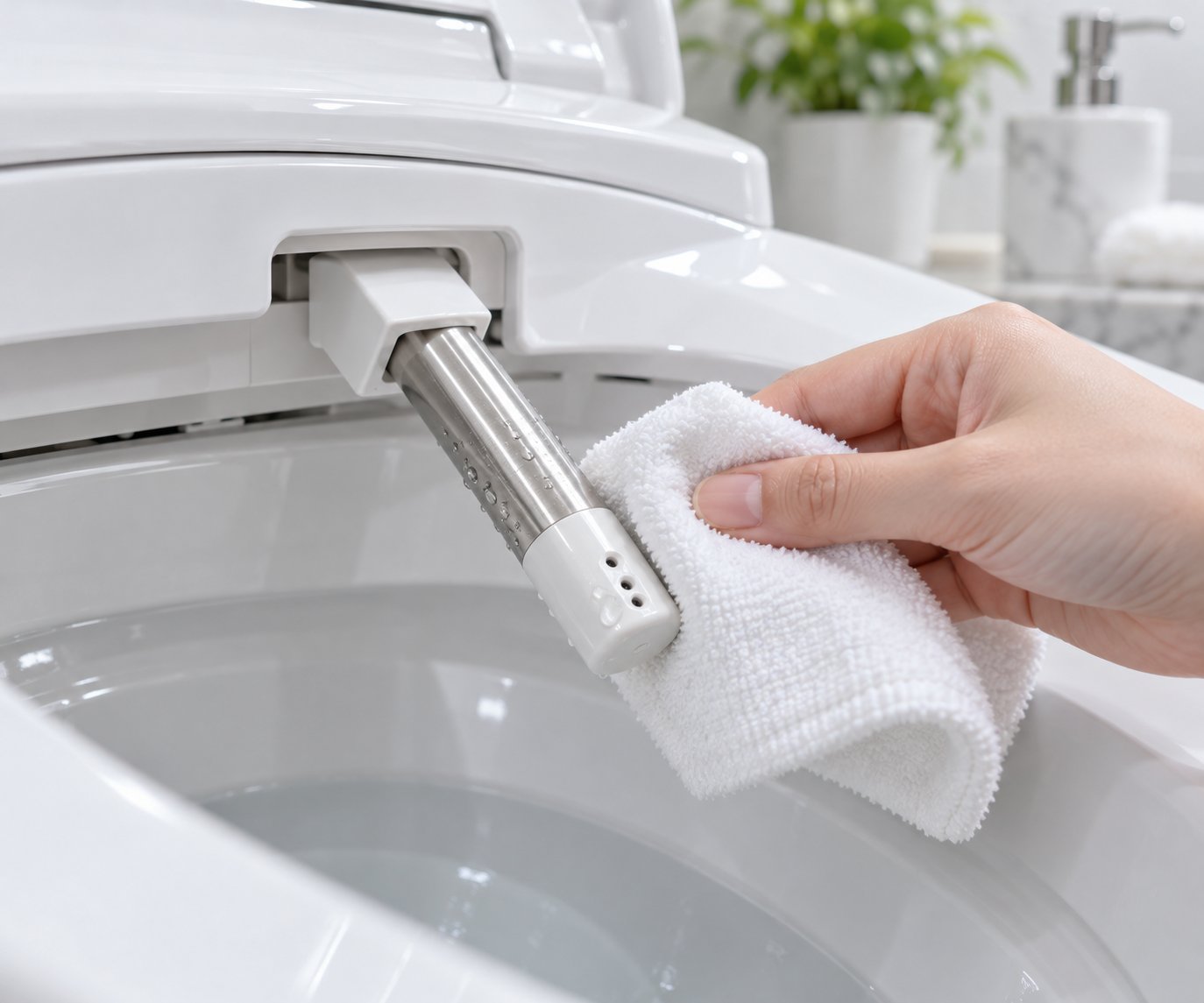
- Extend the nozzle manually. Most seats have a dedicated "nozzle clean" button or menu option that pushes the wand out into its extended position without activating the water spray. On some models, you can gently pull the wand out by hand — but avoid applying excessive force or yanking, which can damage the retraction mechanism.
- Wipe the nozzle with a soft cloth and mild cleaner. A microfiber cloth dampened with diluted neutral detergent works perfectly. Gently wipe the entire exposed surface of the wand, paying attention to the spray holes at the tip where mineral deposits tend to collect. A soft-bristled toothbrush can dislodge any stubborn buildup around the spray openings.
- Rinse and retract. Wipe the nozzle once more with a cloth dampened in plain water to remove any soap residue, then press the nozzle clean button again (or gently push the wand back) to retract it into the housing. Plug the seat back in.
One critical warning applies to every bidet seat on the market: do not use bleach, toilet bowl cleaners, abrasive powders, or solvents on the nozzle or any plastic surface of the seat. These harsh chemicals degrade the nozzle material, cause cracking and discoloration, and can corrode internal metal components. Multiple manufacturer manuals explicitly warn against acidic chemicals, chloride-based detergents, and abrasive scrubbing pads. Stick to mild soap and water — it's all you need.
Whether you're a woman using bidet toilet seats daily for both front and rear wash cycles or someone who relies primarily on the posterior function, the nozzle cleaning routine is identical. The wand serves every wash mode through the same hardware, so one monthly wipe covers all use cases. If your household has multiple people using the seat throughout the day, you might bump cleaning frequency to every two to three weeks simply because the nozzle sees more action — but that's a guideline, not a hard rule.
Beyond the nozzle itself, take a moment during your monthly cleaning to wipe the seat surface, lid, and the gap between the bidet unit and the toilet bowl. That contact zone where the seat meets porcelain is where residue and odor tend to develop if neglected. A damp cloth with a small amount of gentle cleaner, followed by a dry wipe, keeps it fresh. Many bidet seats feature a quick-release button that lets you slide the entire unit off its mounting bracket — without disconnecting any plumbing — for easier access to the area beneath.
Water Filter and Descaling in Hard Water Areas
If your home has hard water — and roughly 85% of American households do — mineral buildup is the silent threat to your bidet seat's long-term performance. Calcium and magnesium deposits accumulate gradually inside the water pathway, narrowing passages and reducing the spray pressure that felt perfectly strong during your first month. The decline happens slowly enough that you might not notice it until the stream feels noticeably weaker than it used to, at which point the buildup has already been forming for months.
Many bidet seats include an inline mesh filter screen between the water inlet and the internal plumbing. This small component catches sediment and particulates before they reach the heating element and nozzle. Manufacturer guidelines commonly recommend cleaning this filter every six months, or sooner if you notice a drop in maximum spray flow. The process is straightforward:
- Unplug the seat and turn off the water supply at the shutoff valve behind the toilet.
- Disconnect the bidet supply hose from the seat's water inlet. Have a small towel ready — a few tablespoons of residual water will drip out.
- Remove the filter screen using tweezers or small needle-nose pliers. It's typically a small cylindrical or disc-shaped mesh sitting just inside the inlet port.
- Clean the screen under warm running water, gently scrubbing with an old toothbrush to dislodge trapped particles and mineral deposits.
- Reinstall the filter, reconnect the hose, and turn the water back on. Check all connections for leaks before plugging the seat in again.
For the nozzle itself, mineral scale on the spray holes responds well to a targeted vinegar treatment. Soak a paper towel or soft cloth in white vinegar, wrap it around the extended nozzle tip, and let it sit for 15 to 20 minutes. The mild acidity dissolves calcium deposits without damaging plastic components. After soaking, wipe clean with a damp cloth and run the nozzle self-clean cycle to flush any loosened particles through the system. This descaling method — recommended in multiple attachment and seat care guides — is targeted and safe when applied only to the nozzle tip and spray openings rather than the entire unit.
Some models also include replaceable carbon deodorizer cartridges that filter bowl air through activated charcoal. These cartridges have a separate replacement schedule — typically every six to twelve months — and should be completely dry before reinstalling after any cleaning. Your seat's owner's manual specifies the exact interval and replacement part number for your model.
Travelers who have learned how to use a handheld bidet or a traditional bidet abroad know that even the simplest water-spray fixtures need occasional descaling in hard water regions. The same principle applies to your bidet seat at home — the only difference is that a seat-integrated system gives you more components to maintain and more performance to protect. Staying ahead of mineral buildup with a twice-yearly filter cleaning and an as-needed vinegar descale keeps the spray sharp and the water pathway clear for years.
When to Replace Your Bidet Toilet Seat
With proper care, most bidet toilet seats deliver reliable performance for several years. Electric models from reputable manufacturers commonly last five to eight years in residential use, while non-electric seats — with fewer moving parts and no electronics — can push even further. Integrated smart toilets built to commercial-grade standards may last 10 to 15 years or more, though standalone bidet seats typically fall in the five-to-eight-year range for the electronic components.
The seat won't fail all at once. Instead, you'll notice a gradual accumulation of minor symptoms that individually seem tolerable but collectively signal that internal components are wearing out. Whats a bidet seat telling you when performance starts slipping? Watch for these warning signs:
- Inconsistent water temperature. The water fluctuates between warm and cold during a single wash cycle, even though your settings haven't changed. This often indicates a failing heating element or a thermostat that can no longer hold calibration.
- Weakening spray pressure despite clean filters. You've cleaned the mesh filter, descaled the nozzle, and confirmed the water supply valve is fully open — but the spray still feels noticeably weaker than it did a year ago. Internal pump degradation or mineral deposits in unreachable passages are the likely culprits.
- Nozzle retraction or extension becoming sluggish or erratic. The wand hesitates, stutters, or stops partway through its travel. The motor or drive mechanism is wearing, and unreliable nozzle movement eventually leads to inconsistent spray alignment.
- Cracked or yellowing housing. Visible cracks in the seat's plastic shell compromise the seal that protects internal electronics from moisture. Yellowing, while cosmetic at first, often indicates material degradation from prolonged exposure to bathroom humidity and cleaning product vapors.
- Persistent electrical issues. The seat trips the GFCI outlet repeatedly, loses saved settings after every power cycle, or displays control panel errors that a hard reset no longer resolves.
- Unusual noises during operation. Grinding, buzzing, or clicking sounds that weren't present during the first year suggest mechanical wear in the pump, motor, or valve assembly.
- Seat wobble on the mounting bracket. If the quick-release mechanism or mounting plate has worn to the point where the seat shifts or rocks under your weight — and reseating it on the bracket doesn't fix the play — the attachment hardware may be beyond adjustment.
None of these symptoms mean you need to rush to a replacement tomorrow. A seat that still delivers a functional wash with a minor quirk can serve you for additional months while you research your next model. But once two or three of these issues overlap, the seat is telling you it has reached the end of its reliable service life. Continuing to use a bidet seat with cracked housing or persistent electrical faults introduces hygiene and safety concerns that outweigh the cost of replacement.
When the time does come, your replacement benefits from everything you've already learned. You know your bowl measurement, you have the GFCI outlet in place, the T-valve is already installed, and you understand your preferred bidet controls and settings inside and out. Swapping in a new seat takes the same 30 to 45 minutes as the original installation — minus all the first-time uncertainty.
For sanitary ware brands and sourcing teams planning bidet seat product lines or managing replacements at scale, Tianyun's bidet seat category provides a starting point for discussing product availability, mounting specifications, and customization requirements directly with the manufacturer. Whether you're evaluating options for hospitality properties, residential developments, or retail distribution, confirming technical compatibility and sourcing details early in the process prevents the same sizing and specification mismatches that trip up individual consumers — just multiplied across hundreds or thousands of units.
Bidets in Europe and across Asia have been part of bathroom culture for generations. The maintenance habits that keep a traditional bidet functioning — regular cleaning, descaling, and timely component replacement — apply equally to the modern seat-integrated format. The technology evolved, but the principle didn't: take care of the fixture, and it takes care of you. Your first week with a bidet toilet seat taught you how to use it. The months and years ahead simply ask you to keep it clean, watch for wear, and enjoy the quietly superior hygiene that made billions of people worldwide adopt water-based cleansing as their permanent standard.
Frequently Asked Questions About Using a Bidet Toilet Seat
1. Do you wipe before or after using a bidet toilet seat?
A pre-wipe is entirely optional and comes down to personal comfort. The bidet's water stream is engineered to handle primary cleaning on its own, so many users skip the pre-wipe from day one. After the wash, a gentle pat-dry with a few squares of toilet paper or a soft cloth is recommended rather than vigorous wiping, since the water has already removed residue and the paper simply absorbs remaining moisture. Users with a warm air dryer feature can skip paper altogether. Most people find they naturally reduce toilet paper usage within the first week as confidence in the water-based clean builds.
2. Is a bidet toilet seat sanitary and safe to use every day?
Yes, bidet toilet seats are designed with multiple hygiene safeguards for daily use. The retractable nozzle runs an automatic self-cleaning rinse with fresh water both before and after every wash cycle, so it never sits exposed or contaminated between uses. The nozzle itself never contacts the body — it directs a stream of water upward from below. Electric models also include an occupancy sensor that prevents accidental activation. Monthly manual cleaning of the nozzle tip with a soft cloth and mild soap keeps the system in optimal condition long-term.
3. How do you use a bidet toilet seat as a woman?
Women should use the Front Wash or Feminine Wash button, which shifts the nozzle to a slightly forward position and delivers a gentler spray pattern aimed at the vulvar area. Most bidet seats engineer the water flow direction from front to back, aligning with the hygiene direction healthcare professionals recommend. Sitting fully back on the seat improves spray alignment, and the nozzle position control can shift the stream forward in small increments for precise targeting. During menstruation, the front wash at low pressure provides soothing, effective cleansing without irritation.
4. Do bidet toilet seats require special plumbing or an electrician to install?
Most bidet toilet seats connect to your toilet's existing cold water supply using a simple T-valve — no new plumbing lines are needed. The T-valve and hose are typically included in the box, and the only tool required is an adjustable wrench. Electric models do need a GFCI-protected outlet within about three feet of the toilet. If your bathroom lacks one nearby, a licensed electrician can add it in under an hour. Non-electric models need no electrical connection at all. The full installation typically takes 30 to 45 minutes for a homeowner with basic tools.
5. How long does it take to get used to a bidet toilet seat?
Most first-time users report feeling fully comfortable within three to five uses, which often translates to less than 48 hours of normal bathroom visits. The first day typically involves mild surprise at the water sensation and some trial-and-error with nozzle positioning and pressure settings. By day three or four, button presses become automatic, and the experience shifts from consciously managed to instinctive. Keeping water pressure and temperature at the lowest settings during the first few days helps ease the transition, and gradually increasing by one level every couple of days lets you find your preferred settings naturally.
Apply This Insight to Your Project
Tell us what you are building and how the topic “How Do You Use A Bidet Toilet Seat? Your First-Week Survival Guide” relates to your application. Our engineering team can help evaluate the next step.