What a Bidet Toilet Seat With Warm Water Actually Does
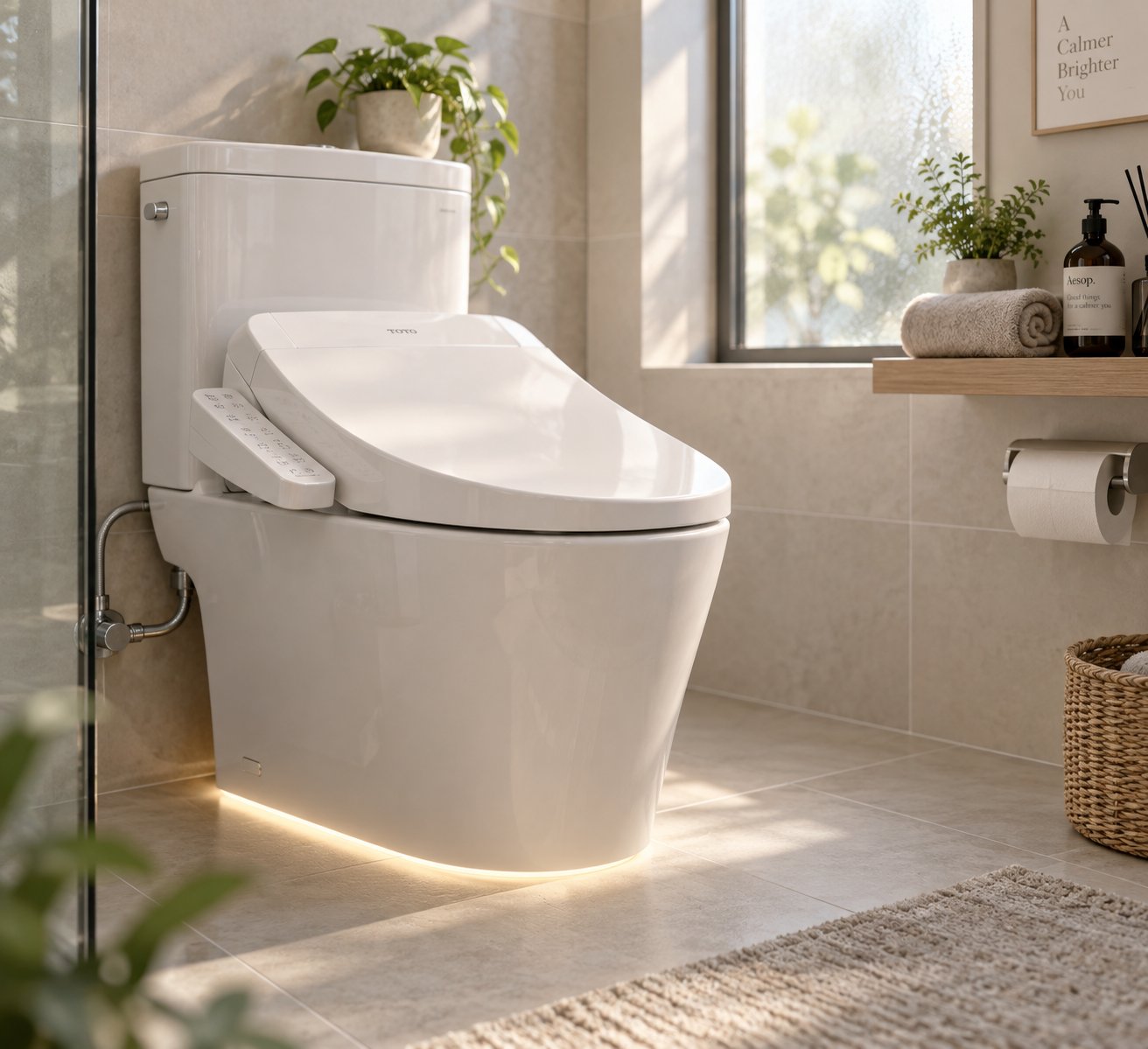
Imagine sitting down on a cold morning and being greeted by a gentle, perfectly warmed stream of water instead of reaching for a wad of dry toilet paper. That is exactly what a bidet toilet seat with warm water delivers. It is a self-contained unit that replaces your existing toilet seat and provides a temperature-controlled spray of water for personal cleansing after each use. Unlike a standard toilet seat, which serves no active hygiene function, or a basic cold-water bidet attachment that bolts beneath your current seat, a warm water model integrates heating technology, adjustable controls, and often a suite of additional comfort features into a single seat that mounts directly onto your toilet bowl.
The distinction matters more than most buyers realize. Cold-only bidet attachments connect solely to your toilet's cold water supply line, meaning the water temperature is entirely at the mercy of your local climate and household plumbing. A bidet seat with warm water, on the other hand, actively heats the wash stream so you can set it to a comfortable temperature regardless of the season. That single upgrade transforms the experience from something you tolerate into something you actually look forward to.
Before you add one to your cart, though, you need to understand how these seats heat their water, whether your toilet is compatible, what safety certifications to look for, and which features genuinely improve daily use versus which ones are marketing fluff. This guide covers all of it in plain, brand-neutral terms.
What Makes a Warm Water Bidet Seat Different From a Standard Bidet
A standard bidet attachment is a relatively simple device. It taps into the cold water supply behind your toilet, routes that water through a basic nozzle, and sprays. There is no electricity involved, no temperature adjustment, and no heated seat surface. It gets the job done, but the experience can feel jarring, especially during colder months.
A warm water bidet seat works differently at a fundamental level. It integrates a heating mechanism directly into the seat unit, either through an internal electric water heater or through a plumbed connection to your home's hot water line. Electric models, which represent the majority of toilet seat bidet warm water options on the market, plug into a bathroom outlet and use either a small reservoir tank or an instant tankless heater to warm the water before it reaches the nozzle. This means you get precise, adjustable temperature control with every use, independent of what your home's plumbing delivers.
The engineering behind bidet toilet seats also enables features that cold-water attachments simply cannot offer: heated seat surfaces, warm air dryers, deodorizers, and self-sanitizing nozzles. These extras exist because the seat already requires electrical power for its water heating system, making it practical to bundle additional functions into the same unit.
Why Warm Water Matters for Everyday Comfort
Here is the user experience reality that product listings rarely spell out clearly. Cold water against sensitive skin causes an involuntary flinch. That flinch discourages consistent use. And a bidet you don't use consistently delivers zero hygiene benefit over toilet paper.
Warm water eliminates that barrier entirely. The wash feels soothing rather than startling, which means you are far more likely to use it every single time. In colder climates or during winter months, the difference between a bidet toilet warm water experience and a cold spray is the difference between a product that gathers dust and one that becomes indispensable.
Most users who switch from cold-water models to a warm water bidet report they would never go back. The comfort difference is not incremental; it fundamentally changes whether the bidet becomes a daily habit or an occasional novelty.
This guide is built as a completely brand-neutral, educational resource. No rankings, no affiliate picks, just the practical knowledge you need to understand heating methods, check your toilet's compatibility, evaluate safety features, and choose a bidet with warm water that genuinely fits your bathroom and your household. The chapters ahead dig into each of those topics in detail, starting with a confusion that trips up nearly every first-time buyer: the difference between a heated seat and a warm water wash.
Heated Seat vs. Warm Water Wash and Why the Difference Matters
Search for a heated toilet seat with bidet features and you will quickly run into a confusing overlap. Product descriptions toss around terms like "heated," "warm," and "temperature-controlled" without specifying what exactly is being warmed. Is it the seat surface? The water stream? Both? The answer has real consequences for your comfort, your electricity use, and whether the product you order actually solves the problem you had in mind.
These are two completely independent functions housed inside the same unit. A bidet with heated seat capability warms the physical surface you sit on. A warm water wash heats the cleansing spray. Most electric bidet seats include both, each governed by its own temperature settings, yet many buyers assume one term covers both — and end up disappointed when a product delivers only one of the two.
Heated Seat Explained — Surface Warmth for Cold Mornings
Think of heated toilet seats the same way you would think of a heated car seat. A low-wattage electric heating element is embedded inside the seat shell, radiating gentle warmth across the sitting surface. Typical temperature ranges fall between about 82°F and 104°F, and you can usually adjust the level in three to five increments using the seat's control panel or remote.
The comfort payoff is immediate, especially in colder climates. Sitting down on a warm toilet seat at 5 a.m. in January feels remarkably different from bracing yourself against cold porcelain. This is purely a surface comfort feature, though. Toilet seat heating has no effect on the water that comes out of the nozzle. It does not clean you; it simply makes the act of sitting down more pleasant.
Here is where the search confusion kicks in. Some users type "toilet seat warmer" into a search engine when what they actually want is a bidet that delivers a warm water wash. Others shop for a warm toilet seat expecting it to include bidet spray functionality, only to discover they have purchased a heated seat cover with no cleansing feature at all. Knowing which function you are prioritizing prevents that mismatch.
Warm Water Wash Explained — Temperature-Controlled Cleansing
The warm water wash is the hygiene-focused feature. When you activate the bidet function, water passes through an internal heating system — either a small tank reservoir or a tankless instant heater — before reaching the retractable nozzle. You control the water temperature independently from the seat temperature, typically across a range of roughly 90°F to 104°F in adjustable increments.
This is the feature that directly affects cleansing comfort. Warm water relaxes the skin, improves cleaning effectiveness, and removes the cold-shock factor that discourages consistent use. If you had to choose between warm toilet seats and a warm water wash, the wash is the function that most users rank as essential to their daily routine.
The table below breaks down exactly how these two features differ so you can evaluate each one on its own terms.
| Feature | What It Heats | Typical Temperature Range | Power Source | Functions Independently |
|---|---|---|---|---|
| Heated Seat | Seat sitting surface | 82°F – 104°F | Electric (low-wattage element in seat shell) | Yes — operates without activating the wash |
| Warm Water Wash | Water stream from nozzle | 90°F – 104°F | Electric (tank or tankless heater) or plumbed hot water line | Yes — operates without seat heating enabled |
Notice that both features require electricity in most configurations, yet they draw power through separate systems and can be toggled on or off individually. You might prefer a warm seat year-round but only use heated water during the colder months, or vice versa. That flexibility is one of the practical advantages of a full electric bidet seat over simpler attachments that offer neither function.
With these two features clearly separated in your mind, the next logical question becomes: how does the water actually get warm? The heating method a bidet seat uses shapes everything from how long the warm water lasts to how much power the unit draws — and it is the single most important engineering decision that differentiates one model from another.
How Bidet Seats Heat Water and Which Method Works Best
Every bidet seat that delivers warm water has to get that warmth from somewhere. This sounds obvious, yet it is the decision point most buyers skip right past. They focus on features like remote controls and night lights while overlooking the one piece of engineering that determines whether they will get 40 seconds of warm water or an unlimited supply, whether installation takes 20 minutes or requires a plumber, and whether the unit sips electricity or draws a noticeable spike on their bathroom circuit.
There are three primary ways a bidet water heater delivers temperature-controlled water to the nozzle. Each method has distinct trade-offs in cost, capacity, complexity, and daily usability. Understanding these differences is the single most practical thing you can do before comparing specific models.
Tank-Style Water Heaters — Reservoir-Based Warming
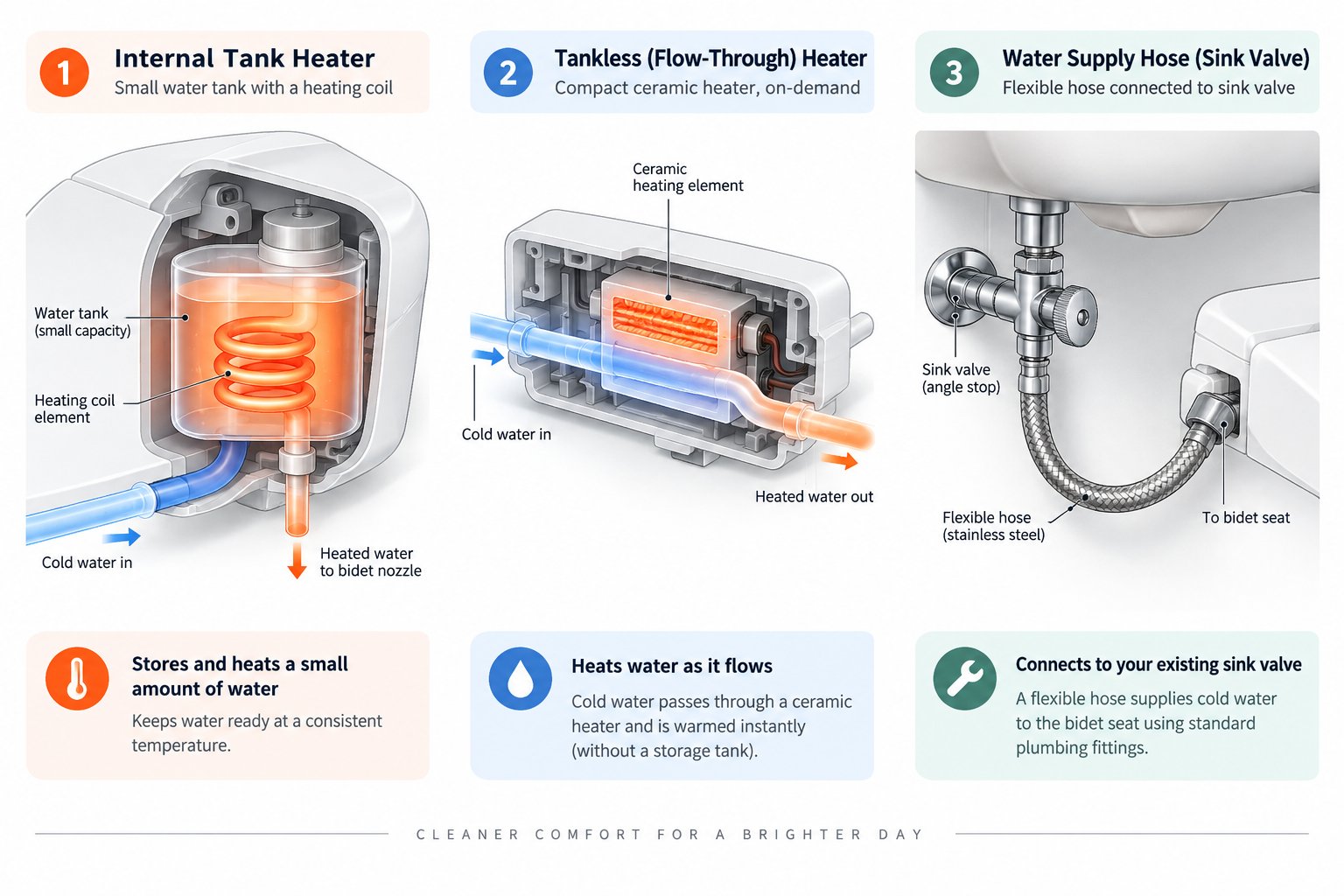
Picture a small thermos built into the back of your bidet seat. That is essentially what a tank-style bidet water warmer does. A compact reservoir — usually holding between 0.5 and 1 liter of water — sits inside the seat housing. An electric heating element keeps that reservoir at your chosen temperature around the clock, so the moment you press the wash button, warm water is ready instantly with no delay whatsoever.
The advantage here is simplicity and cost. Tank-style models are generally the most affordable electric bidet seats, and the immediate warm water delivery feels seamless. You will not experience any cold burst at the start of a wash cycle because the water has been sitting at temperature inside the unit.
The drawback is capacity. That small reservoir typically provides enough warm water for one wash lasting roughly 30 to 60 seconds. Once it is depleted, the seat reverts to room-temperature or cold water until the tank refills and reheats — a process that can take several minutes. For a single user, this is rarely an issue. For a household where two or three family members use the bathroom back to back in the morning, the second and third person may not get a warm wash at all.
There is also a minor energy consideration. Because the tank maintains water temperature continuously, it draws a small amount of standby power even when nobody is using the toilet. Most models include an energy-saving mode that reduces heating during overnight hours, but the passive draw is still higher than a system that only heats on demand.
Tankless Instant-Heat Systems — On-Demand Warm Water
A tankless bidet seat eliminates the reservoir entirely. Instead, it routes incoming cold water through a ceramic heating element — sometimes called a flow-through heater — that raises the water temperature in real time as it passes through. You get warm water for as long as you need it because the heater never runs out of a stored supply. Two, three, or four family members can use the bidet consecutively and every single one receives the same consistent temperature.
This on-demand approach is the reason tankless models are widely considered the premium option. They tend to be slimmer in profile since there is no bulky reservoir taking up space inside the housing, and they are more energy-efficient over time because they only consume power during an active wash cycle. No standby heating, no wasted electricity keeping a tank warm while you are at work.
The trade-off? A slightly higher power draw during operation. Tankless systems pull more wattage in the moment they are heating water — some models peak above 1,000 watts — which means the GFCI outlet and bathroom circuit need to handle that load without tripping. In most modern homes this is not a problem, but older homes with limited bathroom circuits should verify capacity before installation.
There is also a brief cold-water moment worth knowing about. Because there is no pre-heated reservoir, the very first second or two of water may arrive at room temperature before the heating element reaches full output. Many manufacturers address this with a small buffer chamber or a brief pre-heating delay, but the experience differs slightly from the instant warmth a tank-based hot water bidet toilet seat provides right out of the gate.
Hot Water Line Connection — Plumbing-Based Solutions
Not every warm water bidet attachment relies on electricity to heat its water. Some non-electric models take a completely different approach: they connect directly to the hot water supply line in your bathroom, typically by tapping into the valve under your sink with a T-connector and running a small flexible hose to the bidet unit.
This type of hot water bidet attachment draws warm water from your home's existing water heater — the same system that supplies your shower and faucets. Because it uses no electrical heating element at all, it does not need a bathroom outlet, draws zero electricity, and has fewer electronic components that could eventually fail. For renters or homeowners who do not have a GFCI outlet near the toilet, a plumbing-based solution can be the most practical path to warm water cleansing.
The limitations, however, are significant. First, your toilet needs to be close enough to the sink's hot water valve for the connecting hose to reach — typically within three to four feet. Second, the temperature control is less precise than electric models because you are blending hot and cold water through a manual mixing valve rather than dialing in a specific degree setting. Third, and most importantly, there is an initial cold burst. Just like waiting for your shower to warm up, the hot water has to travel from your home's water heater through the pipes and hose before it arrives at the bidet nozzle. That first few seconds of cold water can be exactly the kind of jarring experience a bidet with water heater technology is supposed to prevent.
Despite these trade-offs, plumbing-connected models remain popular as an affordable entry point for users who want warm water without committing to a full electric seat.
The table below puts all three systems side by side so you can compare them across the factors that matter most in daily use.
| Factor | Tank-Style Heater | Tankless Instant Heater | Hot Water Line Connection |
|---|---|---|---|
| Warm Water Duration | Limited (roughly 30–60 seconds per cycle) | Unlimited | Unlimited (after initial cold burst) |
| Installation Complexity | Moderate — requires GFCI outlet and T-valve water connection | Moderate — requires GFCI outlet and T-valve water connection | Higher — requires routing hose from sink hot water valve to toilet |
| Energy Usage | Moderate — continuous standby heating | Low — heats only during active use | None — uses home water heater |
| Initial Cold Burst | No — reservoir is pre-heated | Minimal — 1 to 2 seconds at room temperature | Yes — cold water until hot supply reaches nozzle |
| Electrical Outlet Needed | Yes — GFCI protected | Yes — GFCI protected | No |
| Typical Price Range | $200 – $400+ | $400 – $1,000+ | $50 – $150 |
Your ideal heating method depends on how your household actually uses the bathroom. A single user who wants an affordable hot water bidet and does not mind the finite reservoir will do perfectly well with a tank-style model. A busy family that needs consecutive warm washes should prioritize a tankless system. And a renter without a nearby electrical outlet might find that a plumbing-connected warm water bidet attachment is the only viable option — cold burst and all.
Whichever heating method you lean toward, the warm water itself is only part of the value equation. The temperature-controlled wash opens the door to measurable hygiene and health benefits that go well beyond simple comfort — advantages that become especially meaningful for users with sensitive skin or specific medical conditions.
Health and Hygiene Benefits of Washing With Warm Water
You already know warm water feels better than cold. But does it actually clean better? And does that comfort translate into measurable hygiene improvements over weeks, months, and years of daily use? The answers matter more than most product pages let on — because the real value of a heated water bidet is not just about avoiding a cold splash. It is about creating a cleansing routine that works well enough, and feels pleasant enough, that you actually stick with it every single day.
Better Cleaning Effectiveness With Warm Water
Think about how you wash your hands. You instinctively reach for warm water, not because cold water cannot remove dirt, but because warmth helps dissolve oils and loosen residue more effectively. The same principle applies below the waist. Warm water softens and lifts waste material that cold water may only push around, leading to a more thorough clean with less effort from the spray alone.
This matters for a practical reason that rarely gets discussed: reduced wiping. When the bidet wash handles more of the cleaning work, you need fewer passes with toilet paper afterward — or none at all if your seat includes an air dryer. Banner Health notes that each stroke of toilet paper can irritate the tender skin in the perianal area, especially as you age. A bidet warm water wash that does the heavy lifting means less mechanical friction against sensitive tissue, which compounds into noticeably less irritation over time.
It is worth noting that water temperature alone does not sterilize skin — the temperatures used by bidets with warm water (roughly 90°F to 104°F) are far below what would be needed to kill bacteria on contact. The benefit is mechanical: warm water is simply more effective at loosening and flushing away residue than cold water, much the same way warm water outperforms cold when rinsing a greasy dish.
Comfort for Sensitive Skin and Medical Conditions
For most healthy adults, the difference between cold and warm water is a matter of preference. For individuals managing specific medical conditions, it can be the difference between relief and daily discomfort.
Consider hemorrhoids, one of the most common reasons people start researching a warm bidet in the first place. Cold water against inflamed, swollen tissue causes involuntary muscle contraction — exactly the opposite of what you want. Warm water, by contrast, helps relax the surrounding muscles and soothes irritation. As Dr. Sean Rea of Banner Health points out, a bidet with heated water and a warm spray can significantly reduce irritation for those who suffer from hemorrhoids, fissures, and similar conditions.
Postpartum recovery follows the same logic. New mothers dealing with perineal soreness, stitches, or general tenderness find that a toilet bidet warm water wash provides gentle cleansing without the abrasion of wiping. The soothing warmth can also ease muscle tension in the pelvic floor area, making bathroom visits less stressful during an already demanding recovery period.
Users managing chronic conditions like Crohn's disease or IBS — where frequent bathroom visits are unavoidable — benefit enormously from replacing repetitive wiping with water-based cleansing. The gentler the water temperature, the less cumulative irritation after the fifth, eighth, or tenth trip to the bathroom in a single day.
Encouraging Consistent Daily Use
Here is the behavioral insight that ties everything together: comfort drives consistency, and consistency is where the real hygiene gains live. A bidet that feels pleasant to use gets used every time. A bidet that delivers an uncomfortable cold jolt — especially in winter — gets skipped more often than anyone admits.
This is not speculation. Long-term bidet users consistently report that the routine becomes second nature precisely because it feels good. As Coway's research into daily bidet habits highlights, the value of a bidet does not show up in the first few days — it compounds over months and years of consistent use, when water-based cleaning replaces habits that require more effort and cause more discomfort.
Warm water encourages more consistent bidet use, and that consistency is what compounds hygiene benefits over time. The most hygienic bidet is the one you actually use at every sitting.
Cold water discomfort during winter months is one of the most commonly cited reasons people stop using basic bidet attachments. A warm water bidet seat eliminates that seasonal dropout entirely. When the experience is comfortable in July and equally comfortable in January, the habit sticks — and the hygiene payoff accumulates.
To make the key benefits easy to reference, here is a summary of what warm water bidets deliver from a health and hygiene standpoint:
- More effective residue removal — warm water loosens and flushes waste more thoroughly than cold
- Reduced toilet paper irritation — less wiping means less friction against sensitive skin
- Soothing relief for medical conditions — hemorrhoids, fissures, postpartum soreness, and chronic digestive conditions all benefit from gentle warm cleansing
- Muscle relaxation — warm water helps relax pelvic and sphincter muscles, making the experience more comfortable
- Year-round usability — no seasonal discomfort that causes users to skip the bidet during colder months
- Compounding hygiene gains — consistent daily use builds better long-term outcomes than occasional use of even the best cleaning method
These benefits are not tied to any single brand or price point. Any bidet with heated water that maintains a reliable, adjustable temperature will deliver them. What varies between models is how many additional features come bundled alongside that warm wash — and for electric bidet seats, the feature list can be surprisingly extensive. Understanding what those extras actually do, and which ones genuinely matter, helps you separate real value from spec-sheet padding.
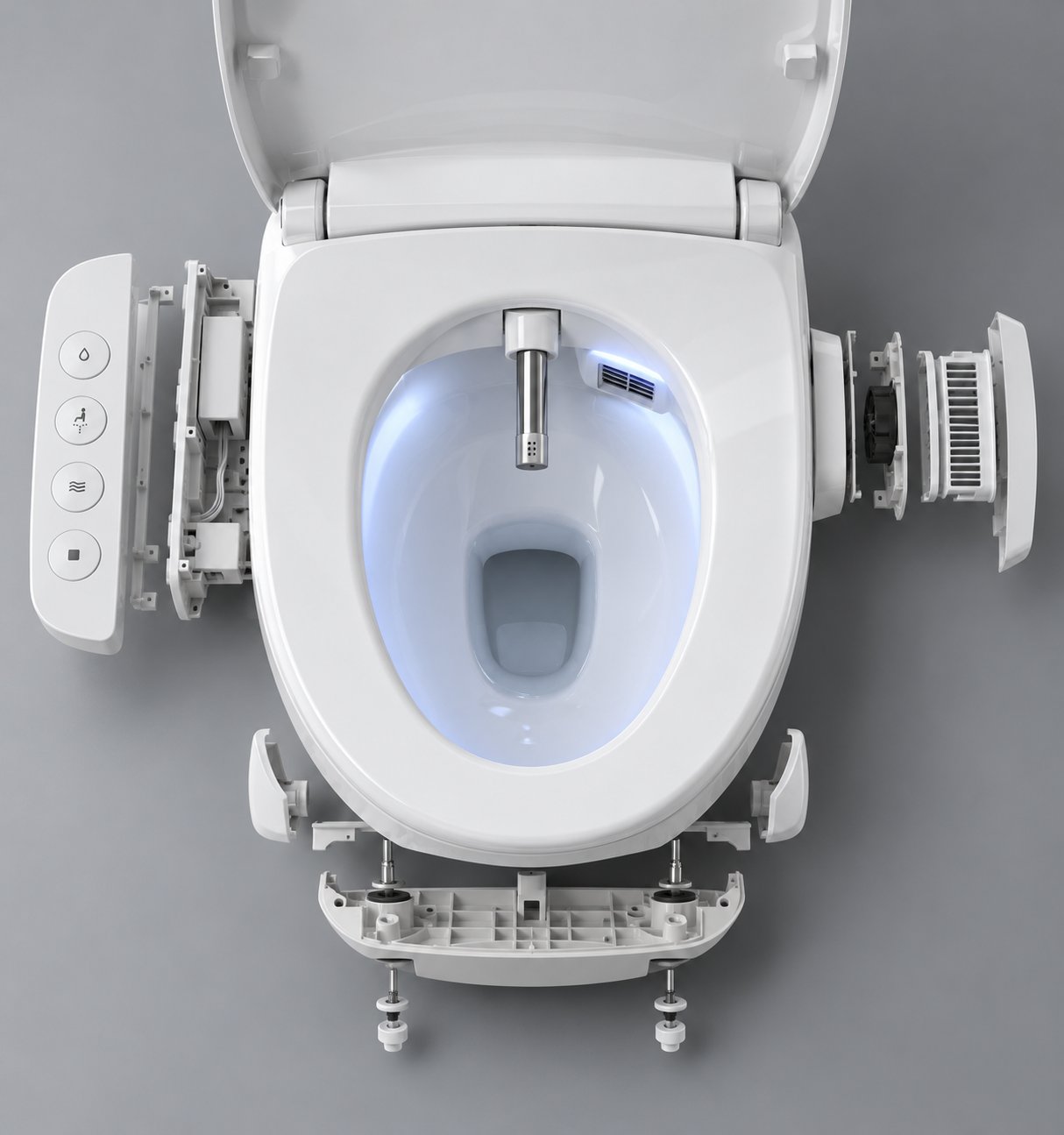
Essential Features That Come With Warm Water Bidet Seats
Warm water is the headline feature, but it is rarely the only thing you get. Because an electric bidet toilet seat already requires a power connection for its heating system, manufacturers use that same electrical infrastructure to pack in a surprisingly deep set of additional functions. The result is a single seat that handles cleansing, drying, odor control, and nighttime visibility — all without requiring you to reach for toilet paper, air freshener, or a hallway light switch.
Not every model bundles the same extras, though. Feature lists vary widely across price tiers, and some functions matter far more than others in day-to-day use. Knowing what each feature actually does — and how well it needs to be built to hold up over years of use — keeps you from overpaying for gimmicks or overlooking essentials.
Water Pressure and Nozzle Position Controls
Imagine adjusting a showerhead until the pressure and angle feel just right. That is the level of customization a quality electric bidet seat offers for its wash spray. Most models provide multiple water pressure levels — typically three to five settings — so you can dial in everything from a gentle rinse to a more thorough, higher-pressure clean.
Beyond pressure, you will find controls for nozzle position. The spray wand moves forward and backward to target different areas, and many seats include distinct rear and front wash modes. The rear wash handles standard cleansing, while the front wash — sometimes called a feminine wash — directs a softer, wider spray pattern for users who need it.
Higher-end models add oscillating and pulsating spray modes. Oscillation moves the nozzle back and forth during the wash cycle to cover a broader area, while pulsation alternates water pressure rhythmically for a massaging effect that can aid comfort. These are not novelty features. Users with sensitive conditions or those recovering from surgery often find that oscillating or pulsating modes provide a more comfortable and effective clean than a fixed, single-point stream.
Air Dryer, Deodorizer, and Night Light
A bidet with warm water and dryer capability takes the experience one step further — you can finish the entire bathroom routine without touching toilet paper at all. The warm air dryer, typically mounted near the nozzle area, blows heated air across the cleansed skin after the wash cycle ends. Temperature and fan speed are usually adjustable across two to four levels.
Worth managing your expectations here: most bidet air dryers work, but they work slowly. A complete dry cycle can take 30 seconds to two minutes depending on the model and setting. Some users rely on the dryer entirely, while others use it to handle most of the moisture and finish with a single square of toilet paper. Either way, a toilet seat with bidet and dryer functionality cuts paper consumption dramatically over the course of a year.
The deodorizer is a subtler feature that often goes underappreciated until you experience it. A small fan draws air through a catalytic or activated-carbon filter positioned inside the seat unit, neutralizing bathroom odors at the source before they spread into the room. It runs automatically when the seat sensor detects someone sitting down and continues for a short period after you stand. No sprays, no candles — just quiet, continuous filtration.
Then there is the LED night light. A soft glow — usually blue or white — illuminates the bowl area when the bathroom is dark, giving you enough visibility to navigate without flipping on an overhead light that jolts you awake at 2 a.m. It sounds minor, but families with young children and older adults who make nighttime trips find it remarkably practical.
Self-Cleaning Nozzles and Soft-Close Lid Design
Hygiene does not stop at the wash itself. A bidet nozzle that sprays water onto your body needs to stay clean between uses, and the better electric bidet seats handle this automatically. Before and after each wash cycle, the nozzle extends and rinses itself with a dedicated stream of fresh water. Some models add a stainless-steel nozzle plate or UV-light sanitization for an extra layer of protection. This self-cleaning cycle is not optional luxury — it is a baseline hygiene requirement you should expect from any reputable seat.
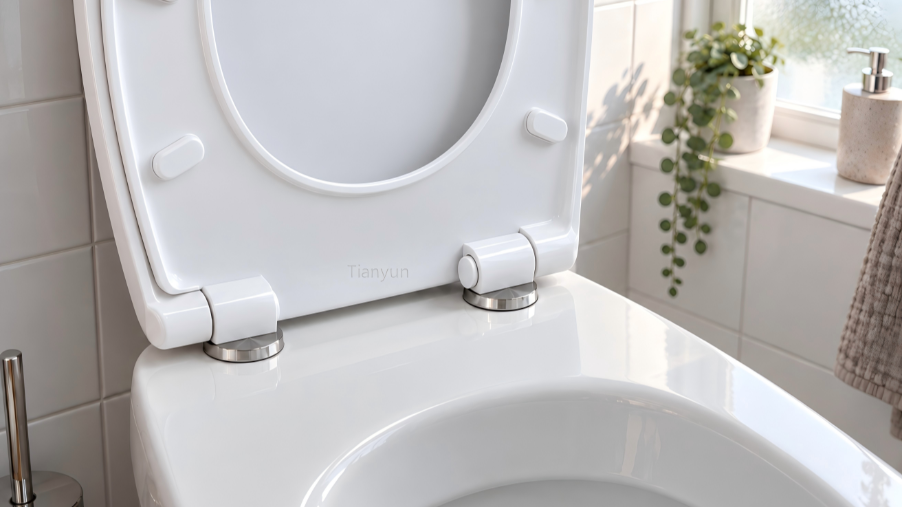
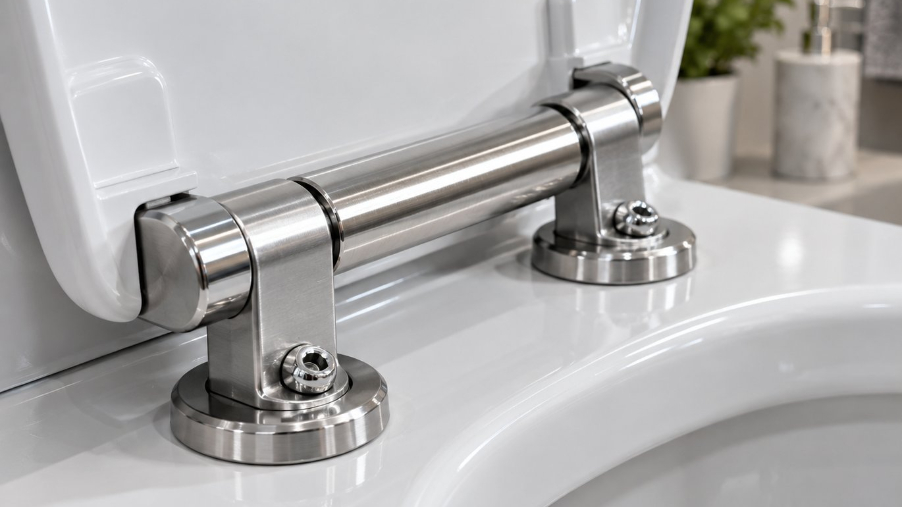
The soft-close lid is one of those quality-of-life features that reveals a lot about a seat's overall build quality. Rather than slamming shut, a properly engineered lid and seat ring lower slowly and silently on damped hinges. This protects the porcelain bowl from impact damage, eliminates that sharp crack at midnight, and significantly extends the lifespan of the hinge hardware itself.
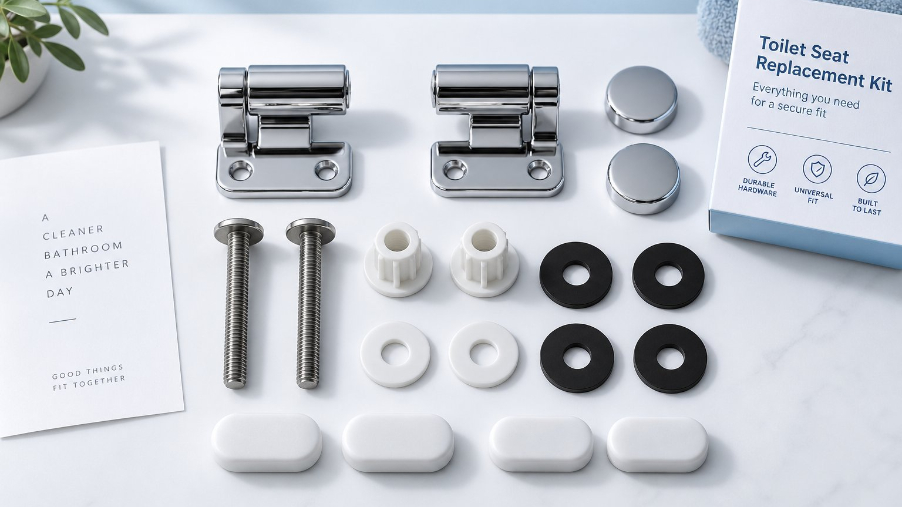
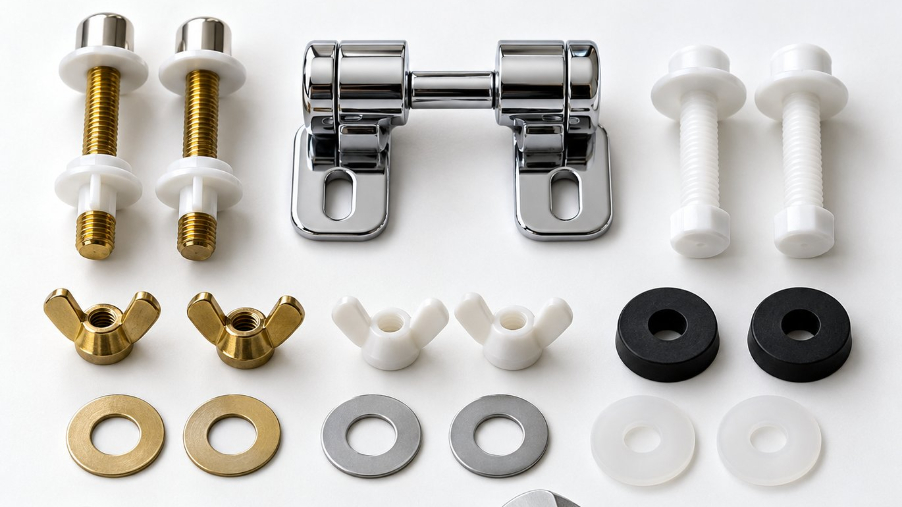
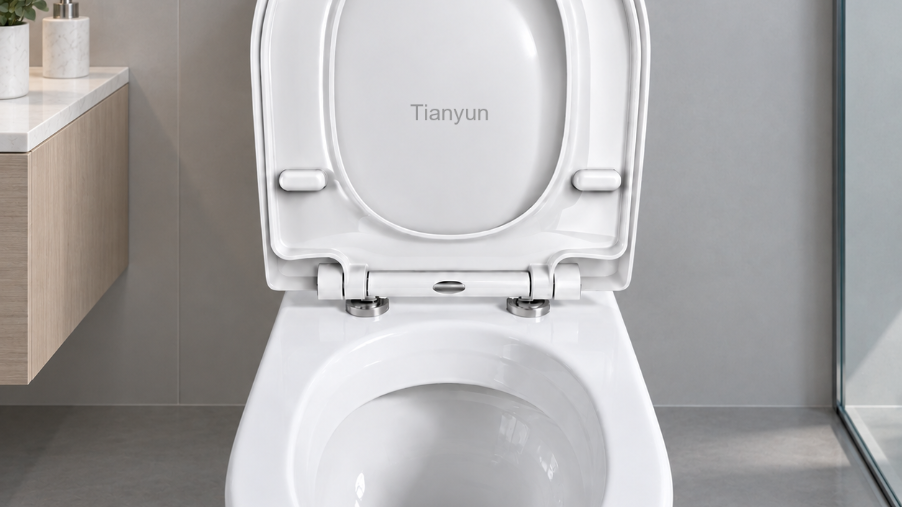
This is where build quality separates seats that last from seats that frustrate. Hinges, lid mechanisms, and mounting hardware absorb daily mechanical stress — they are opened and closed thousands of times per year. Cheap plastic hinges crack. Flimsy mounting plates loosen. Manufacturers like Tianyun, which specializes in OEM bidet seat programs with integrated soft-close hardware and precision-manufactured hinge systems, demonstrate the kind of engineering depth that tells you a seat is built to endure real-world use rather than just pass a showroom inspection. When evaluating any bidet toilet seat with dryer, heated seat, and wash functions, pay close attention to whether the manufacturer treats these mechanical components with the same seriousness as the electronic features.
To help you compare models side by side, here is a comprehensive feature checklist covering what electric bidet seats commonly offer:
- Warm water wash — adjustable temperature with tank or tankless heating
- Heated seat surface — multi-level temperature control for sitting comfort
- Adjustable water pressure — multiple intensity levels for personalized cleansing
- Nozzle position control — forward/backward adjustment for targeted spray
- Rear wash mode — standard cleansing spray for all users
- Front/feminine wash mode — softer, wider spray pattern positioned forward
- Oscillating spray — nozzle moves during wash for broader coverage
- Pulsating spray — rhythmic pressure variation for a massaging effect
- Bidet with warm air dryer — heated air for hands-free drying after the wash
- Carbon-filter deodorizer — automatic odor neutralization while seated
- LED night light — low-glow bowl illumination for nighttime use
- Self-cleaning nozzle — automatic rinse cycle before and after each use
- Soft-close lid and seat — damped hinges for silent, slam-free closing
- Remote control or side panel — user interface for adjusting all settings
- Energy-saving mode — reduces power consumption during idle periods
- Seat occupancy sensor — activates features only when a user is seated
No single bidet toilet with dryer and heated seat will necessarily include every item on this list, and that is perfectly fine. The goal is not to check every box — it is to identify which features your household will actually use daily and then verify that the model you are considering executes those features with solid build quality. A seat with fewer features but robust hinges, a reliable heating element, and a well-engineered nozzle will outperform a feature-stuffed unit with flimsy hardware within the first year.
Feature lists help you compare what a seat can do. But none of those features matter if the seat does not physically fit your toilet — and that compatibility question is where a surprising number of purchases go wrong before the box is even opened.
Toilet Compatibility and Installation Requirements You Must Check
A bidet seat can offer every premium feature on the market — warm water, heated surface, air dryer, deodorizer — and still end up back in its box if it does not physically fit the toilet underneath it. This is not a rare edge case. Compatibility mismatches are one of the most common reasons for bidet seat returns, and the frustrating part is that every single one is preventable with a tape measure and about five minutes of checking.
Your toilet's bowl shape, its construction type, and the electrical and plumbing setup in your bathroom collectively determine whether a given water bidet toilet seat will install cleanly or create problems from day one. A poor fit causes rocking, misaligned nozzles, gaps between the seat and the bowl rim, and in some cases, an inability to mount the unit at all. Before you spend time comparing features and heating methods, confirm that your bathroom can actually accept the seat you are considering.
Round vs. Elongated Bowls and Measuring for Fit
Every toilet seat with bidet functionality is manufactured for one of two bowl shapes: round or elongated. Get this wrong and nothing else matters — an elongated seat on a round bowl overhangs the front edge awkwardly and cannot secure safely, while a round seat on an elongated bowl leaves the front of the bowl exposed and looks out of place.
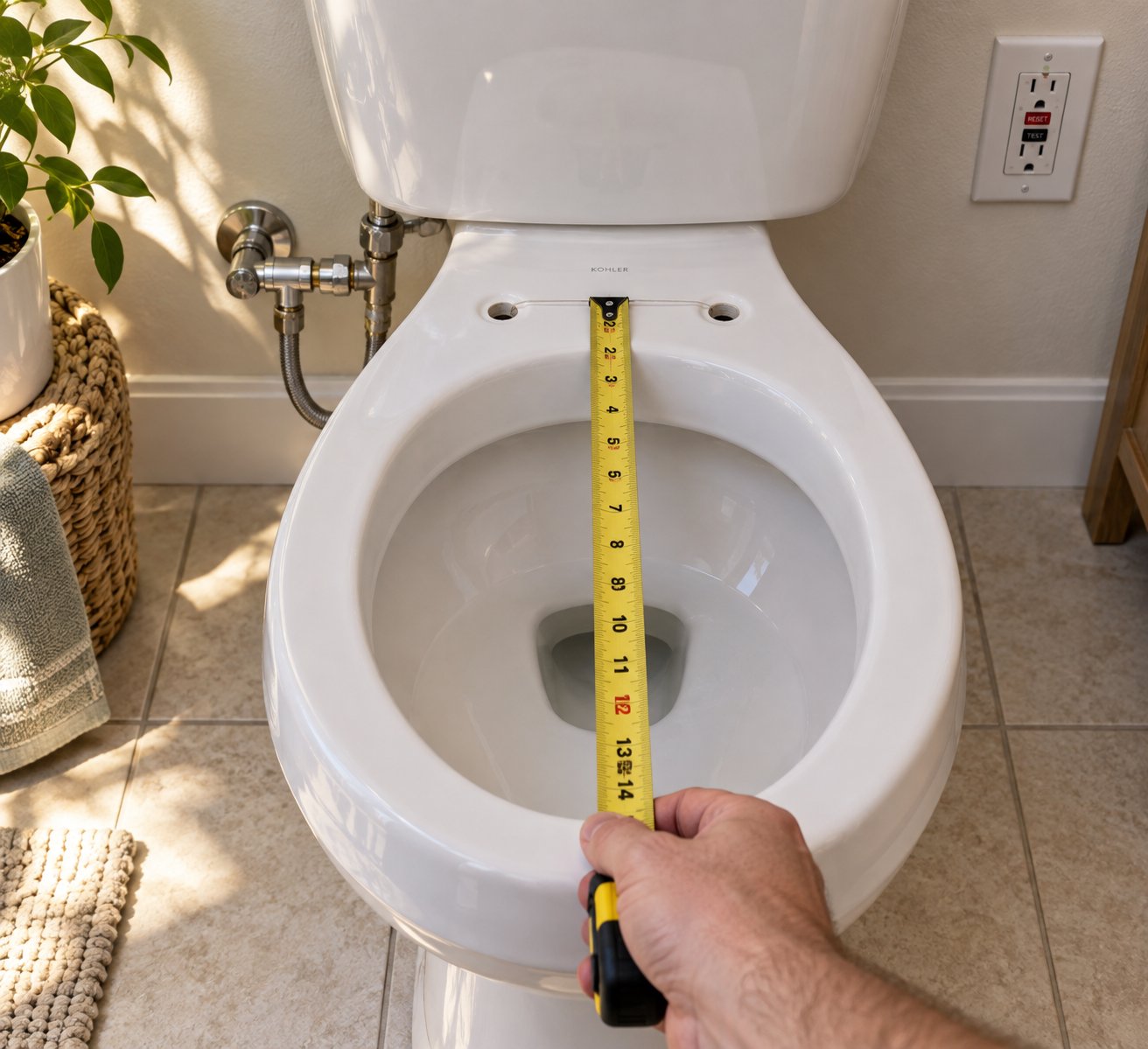
Elongated bowls are the most common shape in North American homes, but do not assume yours is elongated just because the bathroom was built recently. The only reliable way to confirm is to measure. Grab a tape measure and follow these steps:
- Locate the two mounting bolt holes at the rear of your toilet bowl, beneath your current seat.
- Measure in a straight line from the center point between the two bolt holes to the very front edge of the bowl rim.
- A measurement around 16.5 inches indicates a round bowl. A measurement around 18.5 inches indicates an elongated bowl.
- If your measurement falls between those two numbers, you may have a compact elongated or D-shaped bowl — note the exact figure and check it against the manufacturer's compatibility specifications before ordering.
Do not eyeball this. Round bowls can look elongated from certain angles, and compact designs blur the visual distinction further. Two inches of difference between round and elongated is enough to make a seat fit perfectly or fail entirely.
One-Piece vs. Two-Piece Toilet Compatibility
The next thing to identify is whether your toilet is a one-piece or two-piece design. A two-piece toilet — where the tank and bowl are separate components bolted together — is the most common configuration and generally the most compatible with bidet seats. The flat surface where the tank meets the bowl provides a clean mounting area for the seat's rear housing, which contains the water connections, control electronics, and heating components.
A one-piece toilet fuses the tank and bowl into a single molded unit. These look sleeker, but the curved transition at the rear can interfere with the seat housing. If the contour is too aggressive, the housing may not sit flush against the surface, causing the seat to tilt forward. This compromises both stability and nozzle alignment — two things that directly affect whether the bidet actually cleans effectively.
To check, hold a ruler flat across the top of the bowl from the bolt holes toward the tank. Most bidet seats need at least 1 to 2 inches of clearance between the rear edge of the seat and the tank face. Compare your measurement against the rear housing depth listed in the product specifications for any warm water bidet toilet you are considering.
French curve bowls — those with a wavy or S-shaped profile, common on older or designer models — present an additional challenge. Standard mounting plates are designed for flat, uniform rim surfaces, so an irregular contour can cause rocking or uneven contact. If your toilet has an unusual bowl shape, confirm the exact make and model with the bidet manufacturer before purchasing.
Electrical and Water Supply Requirements
This is where many buyers hit an unexpected wall. Every electric toilet seat — and virtually every model that delivers a warm water wash — requires a grounded electrical outlet within reach of the toilet. Not just any outlet, either. All electrical outlets in wet locations like bathrooms must be GFCI-protected (ground fault circuit interrupter). You can identify a GFCI outlet by the small "Test" and "Reset" buttons on its face.
Always verify electrical outlet availability before ordering an electric bidet seat. A bathroom without a GFCI outlet within 3 feet of the toilet will require an electrician before installation can proceed.
Extension cords are strongly discouraged for permanent bidet installations. If your bathroom does not have an outlet near the toilet, plan for professional electrical work before the seat arrives — not after. Homes built or remodeled after 1975 typically have GFCI-protected bathroom circuits, but older homes may need both a new outlet and an updated breaker.
On the water supply side, installation is more straightforward. Most bidet seats connect to the existing cold water supply valve behind your toilet using a T-valve adapter (included with nearly every seat). You shut off the water, disconnect the supply hose from the base of the tank, attach the T-valve, reconnect the original hose to one port, and run the bidet's supply hose to the other. The entire water hookup typically takes 15 to 20 minutes with no special tools.
For non-electric models — specifically a bidet attachment warm water setup that pulls heated water from the sink — installation is different. You will need to run a secondary hose from the hot water valve under your bathroom sink to the bidet unit. This only works if your toilet is close enough to the sink for the hose to reach, typically within three to four feet. A warm water bidet without sink access nearby is not feasible with this plumbing-based approach, which is exactly why most buyers opt for an electric model with a self-contained heater instead.
Before you order anything, walk through this pre-purchase compatibility checklist:
- Bowl shape confirmed — measured from bolt holes to front rim (round ≈ 16.5", elongated ≈ 18.5")
- Mounting bolt spacing verified — standard is 5.5 inches center to center
- Tank-to-bowl clearance checked — minimum 1 to 2 inches behind the bolt holes for rear housing
- Toilet type identified — one-piece, two-piece, skirted, or French curve
- GFCI outlet present — within 3 feet of the toilet, with "Test" and "Reset" buttons visible
- Outlet circuit capacity confirmed — sufficient for the seat's peak wattage (especially important for tankless models)
- Cold water shut-off valve accessible — located behind the toilet for T-valve connection
- Hot water valve proximity assessed — only relevant for non-electric, plumbing-connected bidet attachment for toilet warm water setups
Completing this checklist before you shop eliminates the most common sources of buyer frustration. A toilet with warm water bidet capability is only as good as the fit and infrastructure supporting it — and every item on this list can be verified in under ten minutes with a tape measure and a quick glance behind the toilet.
Physical fit and proper power supply get the seat onto your toilet. But because these units combine electricity and water in a space where moisture is constant, the next layer of due diligence involves the safety engineering built into the seat itself — certifications, automatic protections, and maintenance practices that keep the unit operating safely for years.
Safety Features and Certifications Every Buyer Should Verify
An electric warm water bidet sits inches from a toilet bowl, connects to a live water line, and plugs into a wall outlet — all in a room where humidity is constant and splashes are inevitable. That combination of electricity and water should make you pause. Not because these products are inherently dangerous, but because the safety engineering inside the seat, and the certifications stamped on its label, are what separate a well-built unit from a liability. Most buyers never think to check any of this. They compare spray modes and remote controls, skip right past the safety section of the spec sheet, and hope for the best.
You can do better than hope. A few minutes of verification before purchase ensures that the heated water bidet toilet seat you bring home has been rigorously tested, includes the automatic protections your household needs, and will continue operating safely for years — provided you keep up with basic maintenance.
UL Certification and GFCI Protection
When you see a "UL Listed" mark on an electrical product, it means a nationally recognized testing laboratory — Underwriters Laboratories — has independently evaluated that product against established safety standards for its category. For an electric heated bidet, this testing covers insulation integrity, resistance to water ingress, grounding reliability, and the behavior of internal components under fault conditions. A product that carries UL listing has passed thousands of test cycles designed to simulate real-world bathroom use, including exposure to moisture, temperature extremes, and electrical surges.
Why does this matter to you? Because not every bidet seat sold online carries a UL mark. Imported models sold through third-party marketplaces sometimes arrive with no North American safety certification at all, or with markings from testing bodies that do not meet U.S. standards. Choosing a UL-listed seat is not about brand snobbery — it is about confirming that the device combining water and 120-volt electricity next to your body has actually been proven safe in that exact scenario.
The second non-negotiable is the outlet itself. As covered in the installation chapter, every electric bidet must plug into a GFCI-protected outlet. The GFCI constantly monitors the current flowing into and out of the circuit. If it detects even a tiny imbalance — indicating that current is leaking somewhere it should not, such as through water or a person — it cuts power in milliseconds. This technology has been mandatory in U.S. bathrooms since 1975, and it is the single most important safeguard between an electric bidet and a potential shock hazard. Without GFCI protection, even a perfectly built, UL-certified seat operates in a riskier environment than its designers intended.
Auto-Shutoff, Overheat Protection, and Child Safety
Beyond certifications, the seat itself should include multiple layers of automatic protection that work without any input from you. Think of these as the safety net you never have to remember to activate.
A seat occupancy sensor is the most fundamental. Built into the seat surface, this pressure-activated sensor detects whether someone is actually sitting down. If the sensor reads no weight, the wash function will not activate — period. This prevents water from spraying onto the floor if a child presses a button out of curiosity or if you accidentally bump the remote. It also triggers auto-shutoff: the moment you stand up, the bidet thermostat and heating elements power down, and the nozzle retracts and self-cleans. No warm water runs indefinitely, no heater stays on unattended.
Temperature limiters add another critical layer. Every reputable temperature controlled bidet caps its maximum water output well below the threshold that could cause scalding — typically around 104°F. Even if a user cranks every setting to maximum, the internal bidet temperature control circuitry prevents the water from exceeding that safety ceiling. This is especially important for households with elderly users or young children whose skin is more sensitive to heat. Some models extend this protection to the heated seat surface as well, ensuring neither the water nor the seat can reach uncomfortable temperatures regardless of user input.
Speaking of children — if your household includes toddlers who are fascinated by buttons, look for a child lock function. This feature disables the control panel or remote so the bidet cannot be activated without first unlocking it. An instant heat bidet draws significant wattage when its heating element fires, so preventing unintended activation is both a safety measure and a way to avoid unnecessary energy spikes on your bathroom circuit.
Maintenance to Prevent Long-Term Issues
Safety is not a set-it-and-forget-it proposition. A bidet toilet seat heated water system that performs flawlessly on day one can degrade over months and years if you neglect routine upkeep — and the most common culprit is something you cannot even see: mineral buildup.
If your home has hard water — and many areas across the U.S. do — calcium and magnesium deposits gradually accumulate inside the heating element, the internal tubing, and the spray nozzle. Over time, this scale restricts water flow, causes uneven spray patterns, and forces the heating element to work harder to maintain temperature. In a tank-style system, heavy mineral buildup can reduce the effective volume of the reservoir. In a tankless system, it can create hot spots on the ceramic heater that lead to inconsistent water temperature or, in extreme cases, trigger overheat protection shutoffs.
The nozzle is particularly vulnerable. Mineral deposits building up inside or around the spray nozzle can weaken the stream, make it uneven, or prevent the nozzle from retracting fully after use. A nozzle stuck in the extended position is both a hygiene concern and a mechanical failure waiting to worsen.
Preventing these issues is straightforward:
- Install an inline water filter — a bidet-compatible filter catches calcium, magnesium, and sediment before they reach internal components; replace every 6 to 9 months depending on your water hardness
- Descale the nozzle regularly — every few weeks, wipe the nozzle with a soft cloth soaked in a 1:1 white vinegar and water solution, then run a short spray cycle to flush residue
- Follow manufacturer descaling instructions for internal components — some units allow you to flush a diluted vinegar solution through the water inlet or tank; always unplug the seat first and consult your manual for model-specific steps
- Consider a whole-house water softener — if hard water affects your entire home (spotted dishes, dry skin, chalky faucet residue), treating it at the source protects every appliance, not just the bidet
- Inspect seals and hose connections annually — mineral corrosion can degrade rubber gaskets and O-rings over time, leading to slow drips that waste water and may damage flooring
To make your pre-purchase safety review as quick and thorough as possible, here is a consolidated checklist of the safety features and certifications you should verify before committing to any model:
- UL listing or equivalent North American safety certification — confirmed on the product label and verifiable through the manufacturer's documentation
- GFCI-compatible power requirements — the seat's specifications should explicitly state use with a GFCI-protected outlet
- Seat occupancy sensor — prevents wash activation when no one is seated
- Auto-shutoff on standing — powers down heating and retracts the nozzle automatically
- Maximum water temperature limiter — caps output at or below 104°F regardless of user settings
- Maximum seat temperature limiter — prevents the heated surface from exceeding safe thresholds
- Child lock function — disables controls to prevent unintended activation
- Overheat protection circuit — shuts down the heating element if internal temperatures exceed safe parameters
- Inline water filter compatibility — confirms whether the seat accepts or includes a filter for hard water protection
Every item on this list is verifiable from the product's spec sheet or user manual before you buy. A manufacturer that makes this information easy to find is telling you something about their confidence in the product's engineering. One that buries or omits safety details is telling you something too.
Safety certifications and automatic protections ensure the seat is built for a wet environment. Maintenance keeps it performing safely over time. But the value a warm water bidet seat delivers is not uniform across every household — certain users and living situations extract dramatically more benefit from these seats than others, and understanding who gains the most can help you decide whether the investment makes sense for your specific situation.
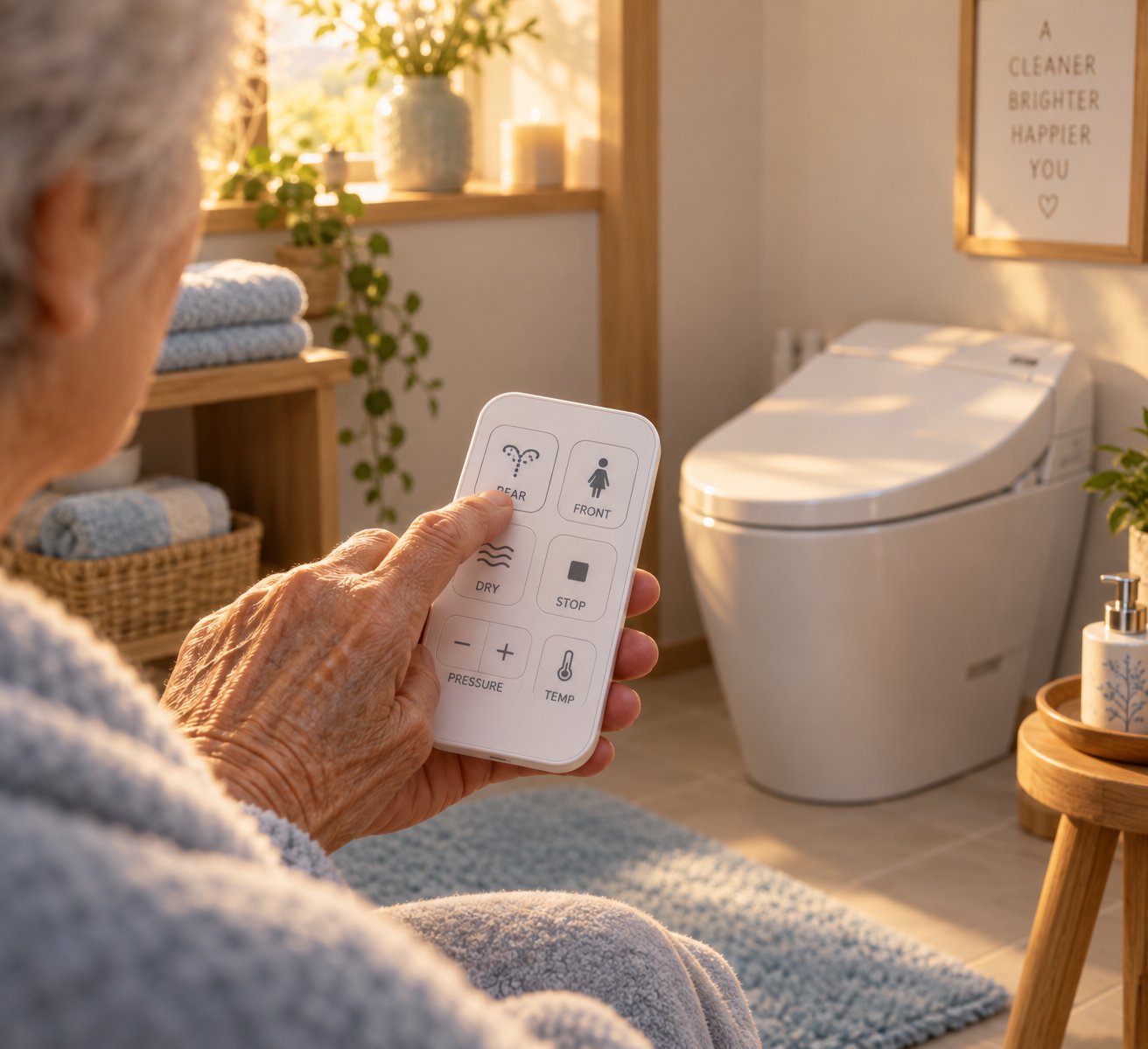
Who Benefits Most From a Warm Water Bidet Seat
A heated bidet toilet seat delivers comfort and hygiene improvements for virtually anyone. But certain people experience a genuine quality-of-life shift — not just a nicer bathroom routine, but relief from daily physical challenges that no amount of toilet paper can address. If you or someone in your household falls into one of the groups below, the value proposition goes well beyond convenience.
Elderly Users and People With Mobility Challenges
Imagine reaching, twisting, and wiping multiple times after every bathroom visit — now imagine doing that with stiff, painful joints. Arthritis affects more than one-third of Americans to some degree, and it commonly targets the hands, wrists, shoulders, and hips — exactly the joints involved in personal wiping. A heated bidet seat reduces or eliminates the need for that manual effort entirely. You sit down, press a button, and warm water handles the cleansing. For someone with limited range of motion or weakened grip strength, a toilet with heated seat and bidet functionality restores a level of independence that many people quietly lose as they age.
The warm water itself adds a soothing element. Joint stiffness tends to be worst in the morning, and the combination of a toilet with a heated seat surface and a warm wash makes those early trips to the bathroom noticeably more comfortable. It is a small thing that compounds into a meaningful daily difference.
Families With Children and Users in Cold Climates
Children learning bathroom independence benefit from the simplicity of a bidet wash. Proper wiping technique is a surprisingly difficult motor skill for young kids, and incomplete cleaning leads to irritation, discomfort, and hygiene issues that parents know all too well. A heated bidet handles thorough cleansing automatically, which builds better hygiene habits from the start.
For households in colder regions, the heated seat and warm wash combination becomes especially valuable from October through March. Cold porcelain and cold water are two powerful deterrents to consistent bathroom comfort. A toilet with bidet and heated seat eliminates both, making the experience identical whether it is mid-July or the dead of February. Families that install a smart toilet with bidet and heated seat features often find it becomes the single most-used upgrade in the home.
Individuals Managing Medical Conditions
Users recovering from surgery — particularly abdominal, pelvic, or colorectal procedures — often receive explicit guidance from their care teams to avoid aggressive wiping. A warm water bidet provides the gentle, hands-free cleansing that recovery demands. The warmth relaxes tense muscles around the surgical area, and the adjustable pressure lets you dial the stream down to the lightest possible setting.
People living with hemorrhoids, anal fissures, or chronic conditions like Crohn's disease and IBS face a compounding problem: frequent bathroom visits combined with tissue that is already irritated. Every wipe adds friction. A heated bidet replaces that friction with warm water, breaking the cycle of irritation and allowing inflamed tissue to heal rather than worsen with each visit.
Postpartum recovery follows a similar pattern. New mothers dealing with perineal tenderness, stitches, or swelling find that warm water cleanses thoroughly without any of the contact pressure that makes wiping painful during those first weeks.
Based on how frequently these groups report the highest satisfaction, here is a priority ranking of who typically gains the most from a warm water bidet seat:
- Individuals managing medical conditions — hemorrhoids, post-surgical recovery, Crohn's, IBS, and postpartum healing create the most urgent need for gentle, friction-free cleansing
- Elderly users and people with mobility limitations — reduced physical demand and soothing warmth address daily challenges that worsen without intervention
- Families with young children — automated cleansing improves hygiene during the years when wiping skills are still developing
- Households in cold climates — the heated seat and warm wash eliminate seasonal discomfort that causes inconsistent use
- General comfort-focused users — anyone who values a cleaner, more pleasant bathroom experience year-round
You do not need to belong to any specific group to justify a heated bidet seat. But if you recognize your situation in the list above, the return on investment is not abstract — it is something you will feel during every single use. The question then becomes practical: how do you choose the right model without falling into the purchasing mistakes that trip up so many first-time buyers?
How to Choose the Right Warm Water Bidet Seat for Your Bathroom
You have made it through the engineering, the compatibility checks, the safety certifications, and the user profiles. You understand how heating methods differ, why build quality matters, and which features actually improve daily life versus which ones pad a spec sheet. All of that knowledge is useless, though, if you stumble into one of the purchasing mistakes that send thousands of bidet seats back to the retailer every year — mistakes that are entirely avoidable once you know what to watch for.
This final section pulls everything together into a practical decision-making framework. Think of it as the filter you run every candidate model through before you commit your money. If a seat clears every checkpoint here, you can buy with confidence. If it fails even one, keep looking.
Common Mistakes That Lead to Buyer Regret
Most returns and negative reviews trace back to a handful of predictable errors. Recognizing them upfront saves you the hassle of repackaging a seat and waiting for a refund.
Ordering without measuring the toilet. This is the single most frequent mistake, and it is the easiest to prevent. Buyers assume their bowl is elongated because it "looks long," skip the tape measure, and end up with a seat that overhangs, gaps, or wobbles. Two minutes of measuring — bolt holes to front rim — eliminates this entirely. Round bowls measure approximately 16.5 inches; elongated bowls measure approximately 18.5 inches. If you are between those numbers, contact the manufacturer before ordering.
Assuming any bathroom outlet will work. A standard outlet and a GFCI-protected outlet look similar at a glance, but only the GFCI version includes the "Test" and "Reset" buttons that indicate ground fault protection. Plugging a heated toilet seat bidet into a non-GFCI outlet does not just violate the manufacturer's installation requirements — it removes the millisecond-response safety mechanism designed to prevent electrical shock in a wet environment. Verify the outlet type before the seat ships, not after it arrives.
Confusing a heated seat with warm water capability. This confusion was covered in detail earlier in the guide, yet it remains one of the top reasons buyers feel misled. A product marketed as a "heated toilet seat" may only warm the sitting surface without offering any warm water wash at all. Always confirm that the model explicitly includes a water heating system — tank or tankless — separate from the seat surface heater. The best heated toilet seat for your needs should deliver both functions independently.
Choosing a tank-based heater for a multi-user household. A tank-style water heater works beautifully for a single person. It delivers instant warm water with no delay. But the reservoir empties after roughly 30 to 60 seconds and needs several minutes to reheat. In a household where two or three family members use the bathroom consecutively each morning, the second and third person gets a cold wash. If back-to-back warm water is a priority, a tankless system is the only heating method that delivers consistently for every user.
Ignoring warranty terms and manufacturer support depth. A bidet seat is an electromechanical device that combines water, heat, and moving parts. Components will eventually wear. Bidet industry experts recommend looking for a minimum three-year full manufacturer warranty as a baseline indicator of product confidence. Shorter warranties — or warranties that exclude key components like the heating element or nozzle motor — often signal that the manufacturer expects those parts to fail within a few years.
Key Decision Factors for Choosing the Right Model
With the common pitfalls cleared, here is how to evaluate the warm water bidet toilet seat options that remain on your shortlist. These criteria are listed in order of practical importance — address each one sequentially rather than jumping to features or price first.
Heating method: tank vs. tankless. This is your foundational choice. Tank models cost less upfront and deliver instant warm water but with a finite supply. Tankless models cost more but provide unlimited warm water on demand and consume less standby energy. Your household size and morning routine determine which one fits. Single users or couples with staggered schedules do fine with a tank. Families or shared bathrooms need tankless. The best warm water bidet for your home is the one whose heating method matches how your household actually uses the bathroom.
Build quality of hardware and hinges. Features get the marketing spotlight, but the parts that endure the most physical stress — the lid hinges, the mounting plate, the seat ring — are what determine whether a seat still feels solid after two years of daily use. Cheap hinges loosen. Thin mounting plates flex. Low-quality lid dampers lose their soft-close action within months. This is an area where a manufacturer's engineering depth becomes visible. Companies that support OEM or custom-configuration programs — like Tianyun, whose bidet seat designs integrate precision soft-close hardware and manufacturing tolerances built for high-cycle durability — tend to produce seats where the mechanical components match the quality of the electronic features. When evaluating any bidet heated toilet seats, physically inspect (or research) the hinge construction, the material thickness of the mounting bracket, and whether the soft-close mechanism is engineered to last beyond the warranty period.
Included features vs. price. More features do not automatically mean better value. A seat packed with an air dryer, deodorizer, night light, oscillating spray, pulsating mode, and dual-user memory presets commands a higher price — but if you only care about the warm wash and the heated seat surface, you are paying for complexity you will never use. Identify the three or four features your household will use daily, then find the best bidet attachment for toilet warm water needs that delivers those features with solid execution rather than the longest possible feature list.
Warranty terms and parts availability. Look beyond the warranty duration. Does the warranty cover parts and labor, or parts only? Does it cover the heating element specifically? Is the manufacturer based in a region where replacement parts are readily available, or will a failed nozzle motor mean weeks of waiting? A bidet toilet seat heated by a tankless system draws more power per cycle than a tank model, which means its heating element works harder — making warranty coverage for that specific component especially important.
Customer reviews with a critical eye. As bidet specialists note, patterns in customer feedback matter more than individual opinions. A single one-star review about slow shipping is noise. Twenty reviews mentioning that the water temperature fluctuates after three months is a signal. Focus on reviews from verified buyers who have used the seat for at least a few weeks, and pay special attention to comments about the heating consistency, hinge durability, and nozzle reliability — the three components most likely to degrade over time.
The right warm water bidet seat should match your toilet dimensions, bathroom electrical setup, and household usage patterns before you consider any other features.
That principle sounds simple, but it inverts the way most people shop. The typical buyer starts with features and price, then checks compatibility as an afterthought. Flip that sequence. Start with fit, then electrical readiness, then heating method, then safety — and only after all four are confirmed should you compare feature sets and finalize your budget.
Here is a consolidated decision-making checklist you can walk through before placing an order for any best heated bidet toilet seat on the market:
- Toilet bowl measured — confirmed round (≈16.5") or elongated (≈18.5") and matched to the correct seat size
- Mounting clearance verified — sufficient space between bolt holes and tank for the seat's rear housing
- GFCI outlet confirmed — within reach of the toilet, with "Test" and "Reset" buttons visible and functional
- Circuit capacity checked — bathroom circuit can handle the seat's peak wattage without tripping, especially for tankless models
- Heating method selected — tank for single-user simplicity, tankless for multi-user households or unlimited warm water
- Safety certifications verified — UL listing, seat occupancy sensor, auto-shutoff, temperature limiters, and child lock
- Build quality assessed — hinge material, mounting plate thickness, and soft-close mechanism durability reviewed
- Feature set matched to actual needs — daily-use features prioritized over spec-sheet extras
- Warranty reviewed in detail — minimum three years, covering heating element, nozzle motor, and electronic controls
- Customer reviews analyzed for patterns — consistent praise or complaints about heating, hinges, and long-term reliability weighted heavily
A warm water bidet toilet seat is one of those rare home upgrades where the daily benefit compounds over time. Every comfortable wash reinforces the habit. Every habit reinforces the hygiene improvement. And every month of consistent use validates the original purchase in a way that few bathroom products ever do. Get the fit right, get the heating method right, get the safety basics confirmed — and the seat will take care of the rest for years.
Frequently Asked Questions About Bidet Toilet Seats With Warm Water
1. How does a bidet toilet seat heat the water?
Bidet toilet seats use one of three methods to deliver warm water. Tank-style heaters store a small reservoir of pre-heated water inside the seat, providing instant warmth but with a limited supply of roughly 30 to 60 seconds per cycle. Tankless instant-heat systems pass cold water through a ceramic heating element on demand, delivering unlimited warm water for consecutive users. A third option connects directly to your bathroom sink's hot water line, bypassing electricity entirely but requiring close proximity to the sink and producing an initial cold burst before warm water arrives. Tank models suit single-user households, while tankless systems are ideal for families needing back-to-back warm washes.
2. Is a heated toilet seat the same as a warm water bidet?
No, these are two entirely separate functions that happen to coexist in most electric bidet seats. A heated seat warms the physical surface you sit on using a low-wattage element embedded in the seat shell, typically adjustable between 82°F and 104°F. A warm water wash heats the cleansing spray from the nozzle through an internal tank or tankless heater. Each feature has its own temperature controls and can operate independently. Buyers frequently confuse the two, sometimes purchasing a heated seat cover that offers no bidet wash functionality at all. Always confirm that a product explicitly includes a water heating system before ordering.
3. Do bidet seats with warm water require an electrical outlet?
Electric bidet seats — which include the vast majority of models offering warm water, heated seats, air dryers, and deodorizers — require a grounded GFCI-protected electrical outlet within approximately 3 feet of the toilet. Extension cords are not recommended for permanent installations. Homes without a nearby GFCI outlet will need an electrician to install one before the seat can be used. The only exception is a non-electric bidet attachment that connects directly to the hot water line under your bathroom sink, which needs no electricity but offers less precise temperature control and requires the toilet to be close to the sink.
4. Are warm water bidet seats safe to use?
When properly installed on a GFCI-protected outlet, warm water bidet seats are very safe. Reputable models carry UL certification, meaning they have passed rigorous testing for use in wet environments. Built-in safety features include seat occupancy sensors that prevent the wash from activating when no one is seated, automatic shutoff when you stand, water temperature limiters capped around 104°F to prevent scalding, and child lock functions to block unintended use. Routine maintenance — such as descaling the nozzle and replacing inline water filters every 6 to 9 months — keeps the heating element and spray system performing safely over the long term.
5. How do I know if a bidet seat will fit my toilet?
Measure from the center point between the two rear mounting bolt holes to the front edge of the bowl rim. A reading of approximately 16.5 inches indicates a round bowl, while roughly 18.5 inches means elongated. You also need to verify that there is at least 1 to 2 inches of clearance between the bolt holes and the toilet tank for the seat's rear housing. One-piece toilets with curved tank-to-bowl transitions and French curve bowls may not accommodate standard bidet seats, so check the manufacturer's compatibility specifications against your exact toilet model. Additionally, confirm that the standard bolt hole spacing of 5.5 inches center-to-center matches your toilet.
Apply This Insight to Your Project
Tell us what you are building and how the topic “Bidet Toilet Seat With Warm Water: What Most Buyers Get Wrong” relates to your application. Our engineering team can help evaluate the next step.