What Round Decorative Toilet Seats Actually Are
Imagine walking into a guest bathroom and seeing a toilet seat featuring a hand-painted botanical motif or a sleek matte-black finish instead of the same plain white plastic you find everywhere else. That single detail instantly shifts the entire feel of the room. But what exactly qualifies as a decorative toilet seat, and why does the word "round" matter so much?
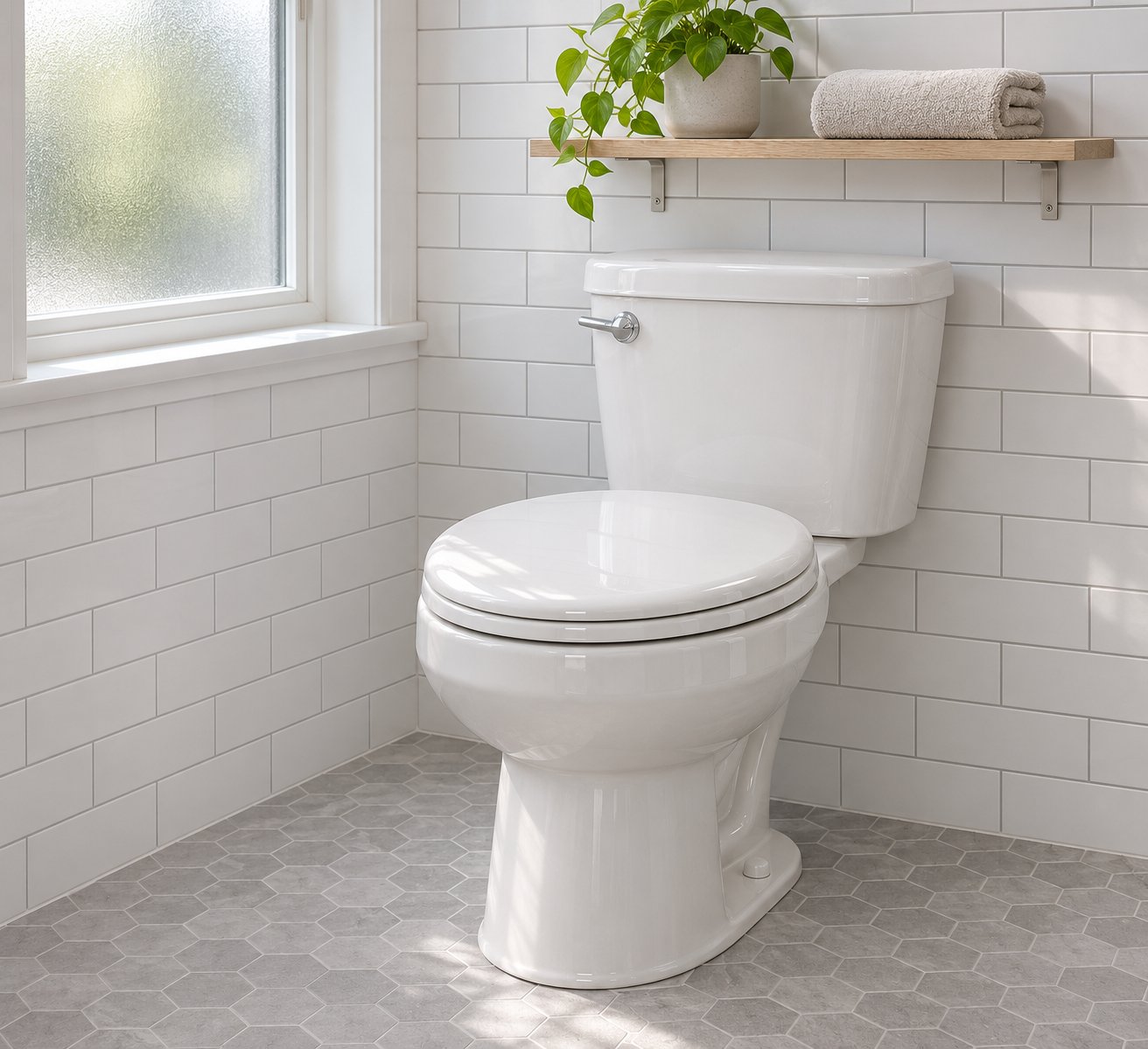
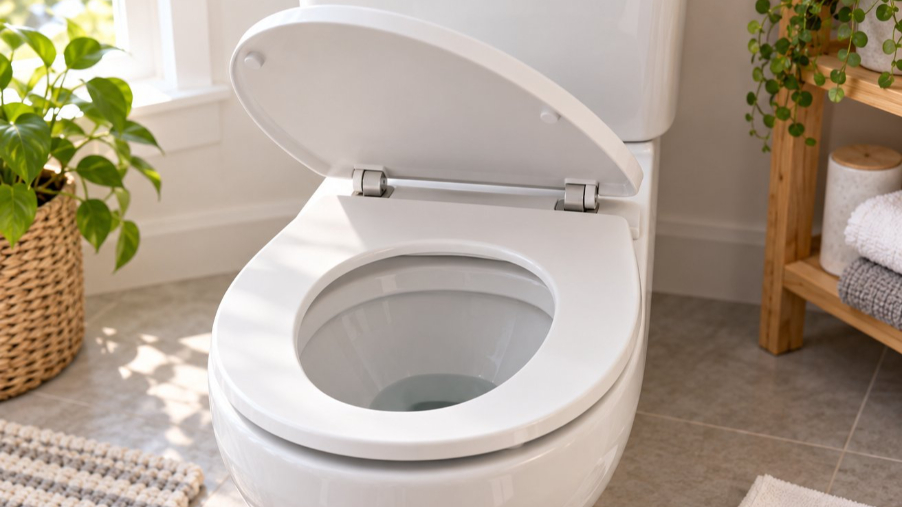
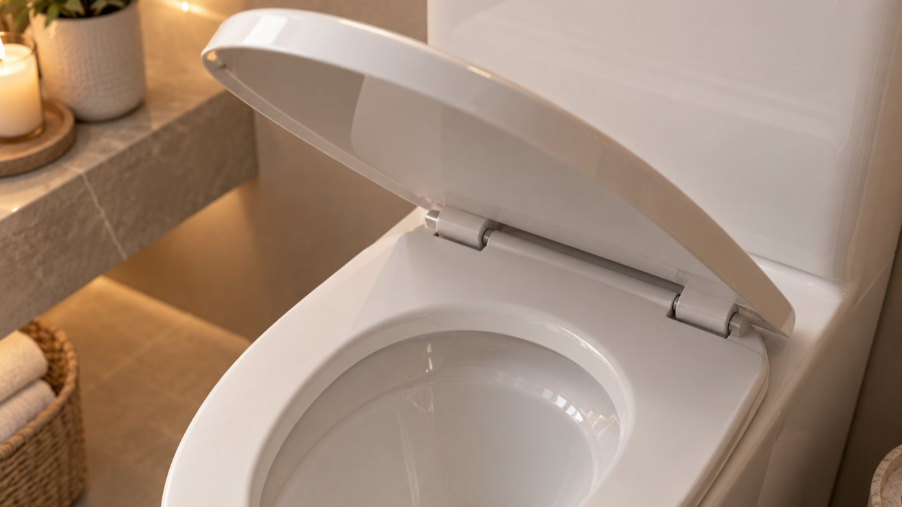
Round decorative toilet seats are rigid seat-and-lid assemblies engineered to fit standard round toilet bowls, which measure approximately 16.5 inches from the center of the mounting bolt holes to the front of the bowl rim. What sets them apart from a basic white seat is the incorporation of visual design elements: molded patterns, embedded imagery sealed inside resin, color-tinted finishes, textured surfaces, or hand-painted artwork. They perform the same mechanical job as any other toilet seat - supporting weight, protecting porcelain, and closing over the bowl - but they do it with deliberate style.
A key distinction worth making early: these are not fabric toilet seat covers or cushioned pads that drape over an existing seat. Decorative seats are the seat itself, manufactured from rigid materials like polypropylene, urea-formaldehyde, wood, or acrylic. The design is built into or permanently bonded to the structure, not draped on top. This means you get a sanitary, wipeable surface that happens to look far more interesting than builder-grade white.
One common point of confusion is the word "round." It refers to the shape of the toilet bowl, not the outline of the seat. Round bowls have a more compact, circular front profile, while elongated bowls extend roughly two inches further forward. You'll sometimes see the term "toilet seat oval" used in product listings, and that label almost always signals an elongated seat rather than a round one. Mixing up the two shapes is the fastest way to end up with a seat that wobbles, overhangs, or simply does not fit. Before shopping, a quick measurement from bolt holes to rim tells you everything you need to know.
What Makes a Toilet Seat Decorative
The decorative spectrum is wider than most people expect. On the subtle end, you'll find luxury toilet seats in solid colors like navy, sage, or warm gray that blend quietly with a curated bathroom palette. Step further along the range and you encounter wood-grain finishes, geometric molded patterns, and metallic-tone lids. At the bold end sit novelty and artistic seats: think ocean scenes embedded in clear resin, vintage floral prints, or a toilet seat funky enough to spark conversation at a dinner party. Every option along this spectrum serves the same functional role as a plain seat. The only difference is the design statement it makes the moment someone lifts the lid.
Round vs. Elongated Sizing at a Glance
Choosing between round and elongated is not a style preference - it is a compatibility requirement. The table below breaks down the essential differences so you can confirm your bowl shape before browsing luxury toilet seats or colorful novelty options.
| Feature | Round | Elongated |
|---|---|---|
| Approximate Length (bolt holes to rim) | ~16.5 inches | ~18.5 inches |
| Typical Installation Contexts | Powder rooms, older homes, small bathrooms, apartments | Master baths, newer construction, larger bathrooms |
| Space Savings | ~2 inches shorter front-to-back; ideal for tight layouts | Requires more clearance from wall and door swing |
| Decorative Seat Availability | Strong selection across color, novelty, and artistic categories | Wider mainstream selection; fewer niche decorative options |
Keep in mind that a toilet seat oval listing online typically means elongated, not round. If your measurement lands near 16.5 inches, you are shopping for a round seat - and that is exactly where the decorative options explored throughout this guide come into play. Understanding your bowl shape is the foundation; the real fun starts when you explore the range of styles, materials, and finishes available for that shape.
Why Round Toilets Deserve a Decorative Upgrade
Round toilet bowls are not relics of outdated plumbing. They remain one of the most widely installed bowl shapes in the United States, and for good reason. Their compact footprint makes them indispensable in spaces where every inch of floor clearance counts. Yet these hardworking fixtures rarely get any design attention. That gap between how common round toilets are and how little thought goes into their appearance is exactly where a decorative seat creates the most impact.
Where Round Toilets Are Most Common
Walk into a pre-1990s home, a city apartment, or a narrow half-bath tucked under a staircase, and you will almost certainly find a round bowl. Round toilets save roughly two inches of front-to-back clearance compared to elongated models, making them the default choice in tight layouts where door swings, vanity edges, and wall proximity leave little room to spare. They dominate in several specific settings:
- Apartments and condos - builders favor round bowls to maximize limited bathroom square footage.
- Older residential construction - homes built before the 1990s were almost universally equipped with round toilets.
- Guest bathrooms and powder rooms - these smaller, secondary spaces prioritize footprint over seating comfort.
- Commercial powder rooms - restaurants, offices, and retail restrooms often install round bowls for space efficiency.
If your bathroom falls into any of these categories, you are working with one of the most common - and most overlooked - canvases for a quick decor toilet upgrade. The toilet is already there, the plumbing is set, and the bowl is not going anywhere. The only piece you can easily change is the seat.
The Design Impact of a Single Accessory Swap
Here is what makes a decorative seat such a smart move: it is one of the lowest-cost bathroom updates you can make, and it requires zero plumbing work, no contractor, and no renovation. You are not tearing out tile or replacing fixtures. You are unbolting two nuts, lifting off the old seat, and dropping in a new one. The entire process takes about ten minutes with nothing more than a wrench.
That simplicity is precisely why so many people underestimate the visual payoff. Picture a small powder room with white walls, a basic vanity, and a plain white toilet. Every surface blends into the next. Replace that generic seat with a colored toilet seat in deep navy or forest green, and suddenly the room has a focal point. Swap in a custom toilet seat featuring a coastal motif or a sleek matte-black finish, and the space feels intentionally designed rather than builder-basic.
In minimal spaces, one statement piece carries outsized visual weight. A small powder room does not need five design upgrades - it needs one good one in the right spot.
This principle is why designers frequently recommend starting with accessories when refreshing a bathroom on a budget. A decorative seat change delivers a high-impact improvement that visitors actually notice, all without the disruption, dust, or expense of a remodel. For round toilet owners especially, that overlooked little room - the half-bath guests use, the apartment bathroom you see every morning - deserves more than an afterthought seat in forgettable white.
The real question is not whether a decorative upgrade is worth it. It is which style, material, and finish will work best for your particular bathroom's personality.
Decorative Toilet Seat Style Categories Explained
Browsing for a decorative toilet seat without knowing your style options is like walking into a paint store and staring at a thousand swatches with no plan. You end up overwhelmed, second-guessing every choice, or defaulting to something safe and forgettable. The solution is a clear vocabulary for the styles that actually exist. Once you can name what you are looking at, narrowing down the right toilet seat design for your bathroom becomes surprisingly straightforward.
Every decorative round seat on the market falls into one of three broad style families. Some overlap at the edges, but these categories give you a reliable framework for filtering choices before you ever add anything to a cart. Think of this as your style menu - a later section will cover how to match each option to your specific bathroom. For now, the goal is simply knowing what is out there.
Nature-Inspired and Floral Designs
If your bathroom leans toward warmth, organic textures, or a spa-like calm, this is your category. Nature-themed seats draw from the outdoors and translate it onto rigid surfaces through printing, molding, or resin embedding. You will find several distinct aesthetics within this family:
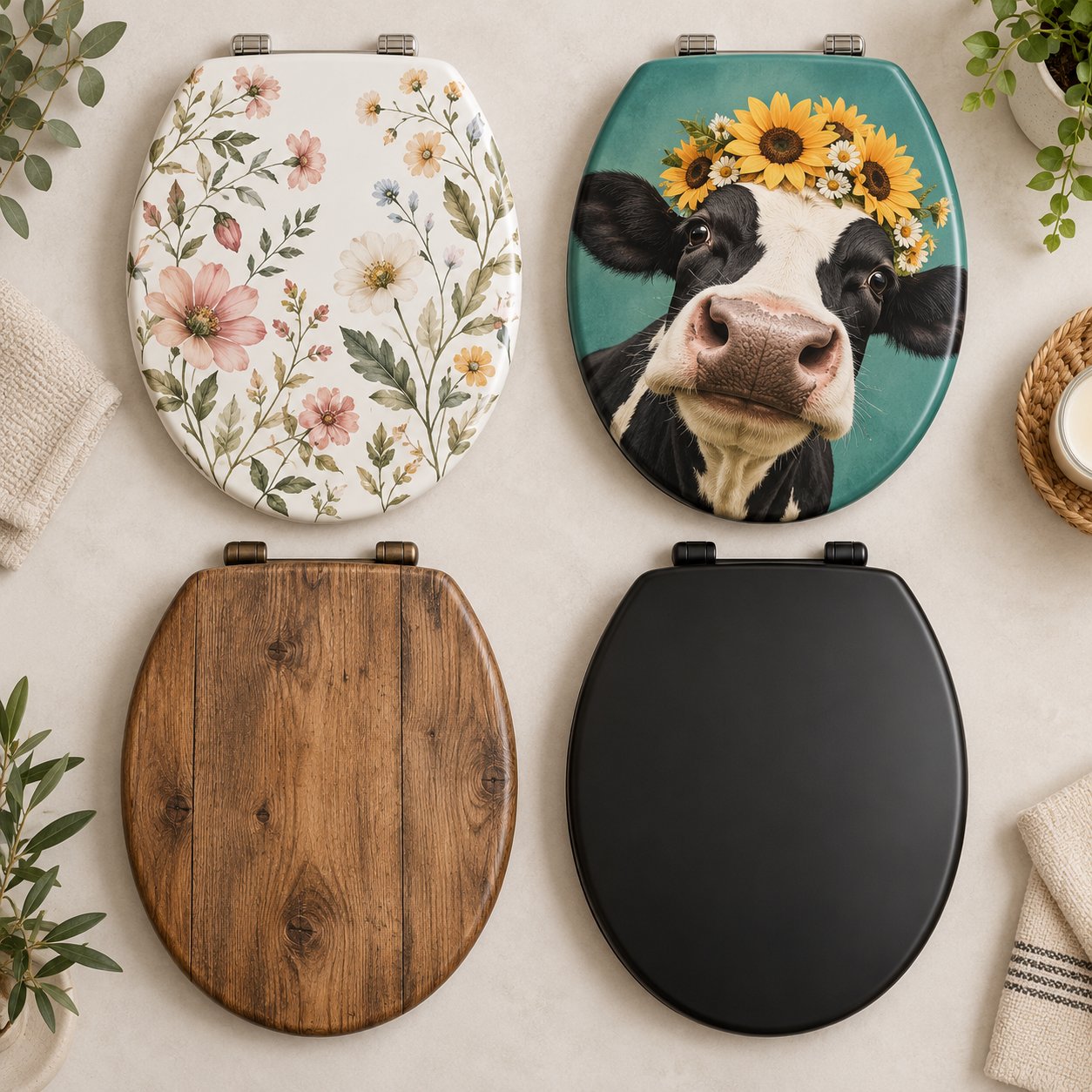
- Botanical prints and floral motifs - roses, lavender sprigs, cherry blossoms, or wildflower clusters printed or painted onto the lid. These suit cottage-style bathrooms, traditional powder rooms, and any space with soft, feminine decor.
- Leaf and greenery patterns - fern fronds, palm leaves, or monstera outlines that bring a tropical or modern-organic vibe. They pair well with white subway tile, natural wood vanities, and earth-toned walls.
- Seashell and coastal themes - starfish, sand dollars, driftwood textures, and ocean-blue gradients. A natural fit for beach-house bathrooms or any space running a nautical palette.
- Nature-photography resin seats - real seashells, pebbles, dried flowers, or small starfish embedded in clear or tinted resin, creating a three-dimensional effect you can see but not feel on the sitting surface. These are conversation pieces that double as functional art.
What ties this entire group together is a sense of calm. Nature-inspired seats rarely shout for attention. Instead, they add a layer of visual interest that feels effortless, almost like a decorative accent you would expect to find in a well-curated guest bath.
Novelty, Humor, and Themed Seats
Not every bathroom needs to be serious. Game rooms, basement half-baths, teenage bathrooms, and casual guest spaces are perfect playgrounds for seats that prioritize personality over polish. This is where toilet seat design gets genuinely fun - and occasionally absurd.
- Graphic-printed seats - bold imagery such as newspaper front pages, comic strips, dollar bills, or galaxy-print patterns applied to the lid and sometimes the seat ring. Best for informal, high-personality spaces.
- Cartoon and pop-culture themes - licensed character prints, retro gaming icons, or movie-reference graphics. Great for kids' bathrooms or themed entertainment areas.
- Conversation-starter designs - think fake grass turf textures, soccer ball optical illusions, faux wood-stump looks, or life-like animal imagery that catches guests completely off guard. Companies like Pressalit have even hosted design contests around these kinds of offbeat, surreal concepts.
- Humorous text and signage seats - lids printed with bathroom humor, vintage restroom signs, or cheeky quotes. Suited for laid-back households that do not take decor too seriously.
A word of practical advice: novelty seats work best when they match the energy of the room. A cartoon-themed designer toilet seat is charming in a kid's bathroom and awkward in a formal powder room. Context is everything.
Artistic, Vintage, and Minimalist Options
This is the broadest and arguably most sophisticated category, covering everything from retro nostalgia to ultra-modern restraint. If you want a decorative toilet seat that elevates the room without screaming for attention, start here.
- Hand-painted and artisan looks - seats featuring brushstroke patterns, abstract watercolor effects, or mandala-style illustrations. These bring a handmade, gallery-like quality to the bathroom and pair beautifully with eclectic or bohemian interiors.
- Retro color palettes - think avocado green, harvest gold, dusty rose, and powder blue. These throwback hues are experiencing a resurgence in vintage-inspired renovations and mid-century modern bathrooms. A large toilet seat in a bold retro shade can anchor the entire room's color story.
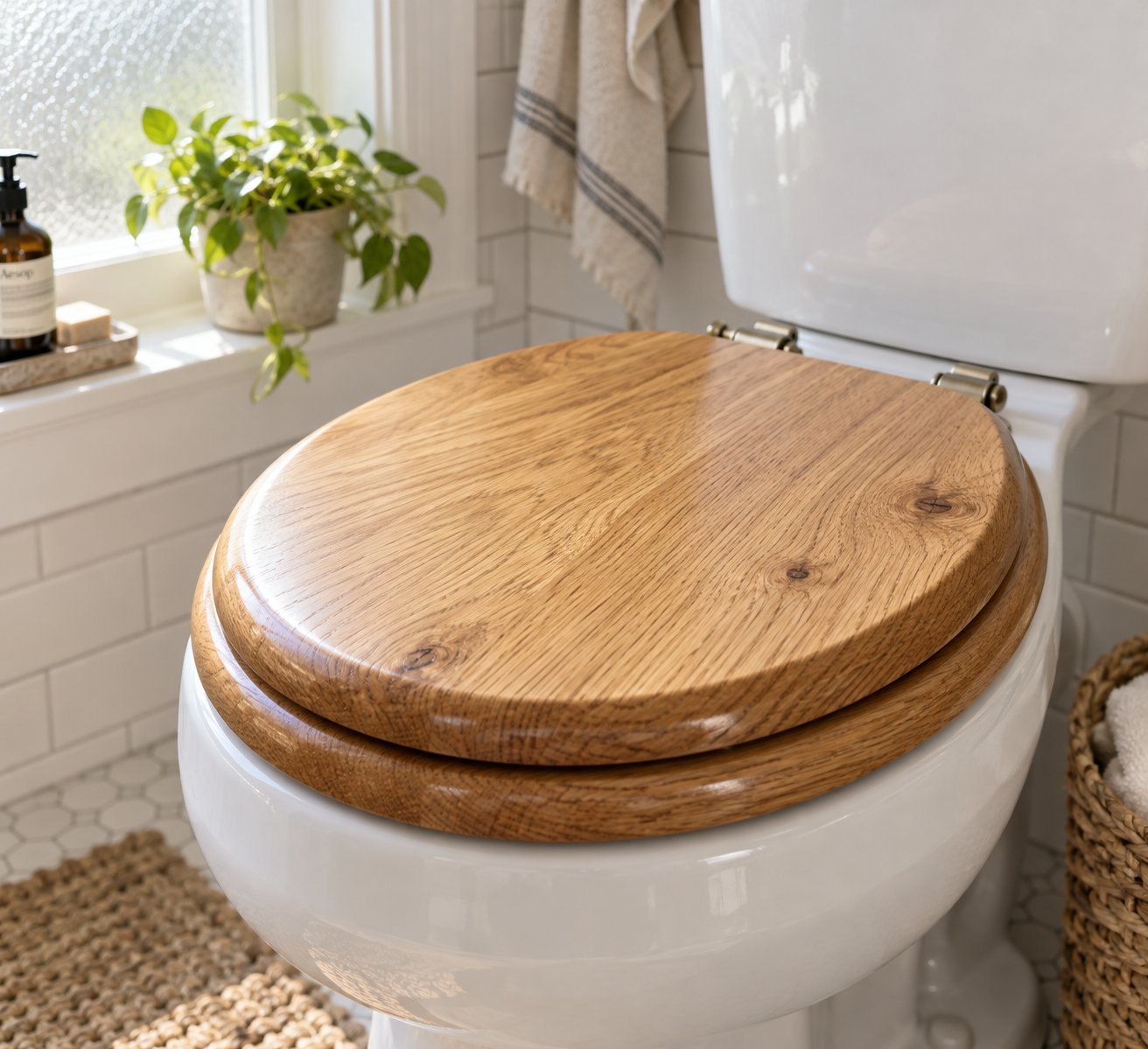
- Rustic wood-grain finishes - molded or laminated surfaces that replicate the look of barn wood, weathered oak, or reclaimed timber. Perfect for farmhouse-style bathrooms, cabins, or any space featuring natural wood tones in the vanity or shelving.
- Sleek modern finishes - matte black, matte white, brushed metallic tones, or soft-touch coatings with zero ornamentation. These designer toilet seats rely on material quality and finish precision rather than pattern or imagery. They complement minimalist bathrooms, contemporary renovations, and monochromatic palettes.
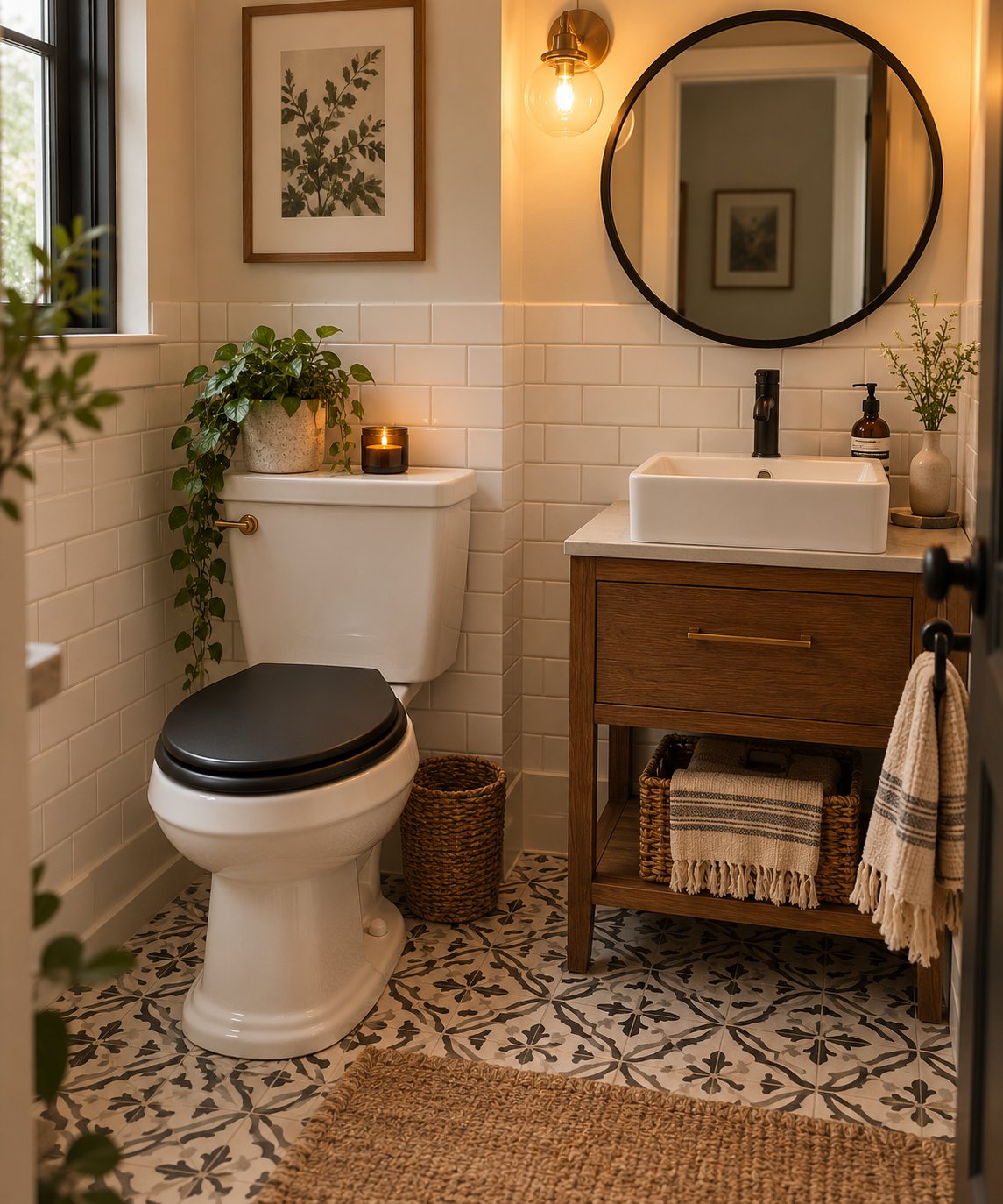
The artistic-to-minimalist range is where most buyers land when they want something that feels elevated but not kitschy. A matte-black seat in a white-tiled bathroom looks intentional. A hand-painted floral lid in a cottage powder room looks curated. Neither requires a bold personality to pull off - just a basic sense of what the room is trying to say.
Choosing Your Starting Point
Here is the principle that ties all three categories together: your style choice should always start with the room, not the seat. Look at your bathroom's existing palette, fixtures, and overall mood first. A nature-inspired resin seat will feel completely at home in a coastal bathroom and completely out of place in a sleek, all-gray modern space. A matte-black minimalist lid will look sharp against white tile and oddly stark in a warm, wood-heavy farmhouse bath.
This taxonomy gives you the vocabulary to describe what you want. The next critical decision - which material and construction method delivers each look most durably - determines whether that style choice holds up over months and years of daily use.
Materials for Decorative Round Seats Compared
A seat can look stunning in a product photo and start peeling, warping, or yellowing within six months if the material is wrong for the bathroom it lives in. Style categories tell you what a seat looks like. Material tells you how it performs, how long it lasts, and how it feels the moment you sit down. Surprisingly, most shopping guides skip this topic entirely, jumping straight from pretty pictures to "add to cart." That gap leaves buyers guessing, so let's close it.
Decorative round toilet seats are manufactured from seven primary materials, each with a distinct balance of durability, weight, visual range, and price. Understanding these differences is especially important if you are choosing between a bold red toilet seat that needs to hold its color for years and a subtle wood-grain lid that must resist bathroom humidity. The right material makes a designer toilet choice last; the wrong one turns it into a replacement headache.
Rigid Plastics and Thermoset Materials
Two materials dominate the rigid-plastic category, and they behave very differently despite both being called "plastic" by casual shoppers.
Polypropylene (PP) is a thermoplastic produced through injection molding. It is lightweight, budget-friendly, and naturally resistant to moisture, which makes it a practical workhorse in bathroom environments. PP accepts color pigment easily during manufacturing, meaning the hue runs through the entire material rather than sitting on top as a coating. That is a significant advantage for decorative applications: a colored PP seat will not chip down to a white underlayer the way a painted surface might. The tradeoff is density. PP feels lighter in hand, and some users perceive that lightness as less premium. For many decorative round toilet seats, though, the combination of low cost, easy coloring, and solid moisture resistance makes PP an excellent starting point.
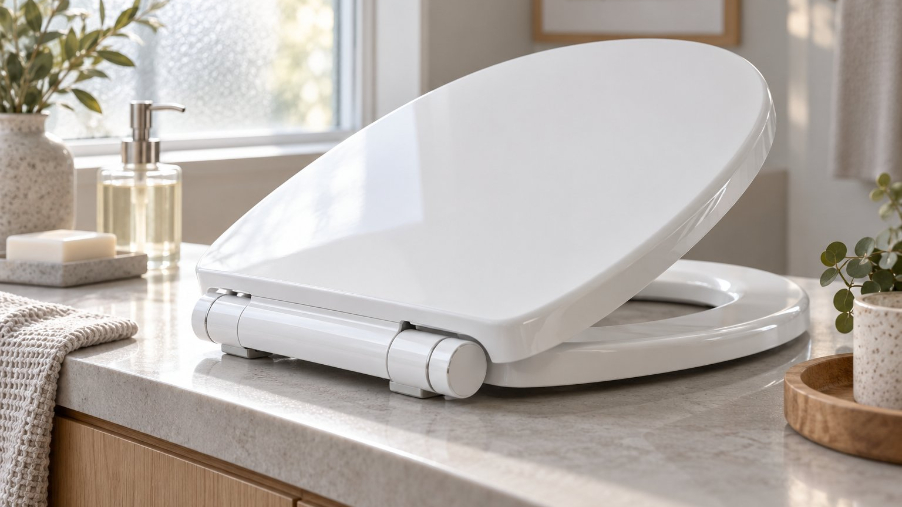
Urea-formaldehyde (UF), sometimes marketed as "duroplast," is a thermoset material. Unlike PP, UF cannot be remelted once cured, which gives it superior scratch resistance and a noticeably heavier, ceramic-like feel. UF seats often appear in premium and designer toilet lines because their density and surface hardness allow for smooth, high-gloss finishes that mimic porcelain. They resist staining better than most alternatives and hold up well under daily use. The weight does mean hinges need to be sturdier, but for buyers who want a decorative seat that feels substantial rather than hollow, UF is the go-to thermoset.
Wood, Resin, Acrylic, and Composites
Molded wood (MDF with coating) sits in the mid-range tier. Manufacturers press wood fibers with resin under heat and pressure, then apply several layers of paint or protective finish to create a smooth, water-resistant surface. The result feels warm, stable, and heavier than PP. The catch? If that protective coating cracks or chips, the dense fiberboard underneath absorbs moisture and swells. In a steamy full bath, that vulnerability matters.
Solid wood - oak, maple, bamboo planks - brings a genuinely premium, natural aesthetic. It is warm to the touch, visually rich, and undeniably distinctive. It is also the highest-maintenance option. Solid wood needs periodic re-sealing to prevent moisture absorption, and it can warp or crack if neglected. Think of it as the leather jacket of toilet seats: beautiful, but it demands care.
Clear or tinted resin and acrylic are the materials behind those eye-catching novelty seats with seashells, coins, glitter, or dried flowers embedded inside. The design is permanently sealed within the material, making it effectively wear-proof since there is no surface print to scratch off. Resin seats tend to be heavy, and their thickness can vary, so hinge compatibility deserves extra attention.
Bamboo composite appeals to eco-conscious buyers. It blends bamboo fibers with binding agents to create a rigid, renewable-material seat. Moisture resistance and durability fall between MDF and solid wood, and the natural grain gives it an organic look that pairs well with earth-toned bathrooms.
Material Comparison at a Glance
The table below compares all seven materials across the factors that matter most when selecting decorative round toilet seats. Whether you are a homeowner choosing a single seat or a professional evaluating options for a product line, these columns cover the practical ground.
| Material | Durability | Moisture Resistance | Weight | Decorative Versatility | Cleaning Ease | Typical Price Tier |
|---|---|---|---|---|---|---|
| Polypropylene (PP) | Good - flexible, crack-resistant | Excellent - non-porous | Light | High - pigmented through, wide color range | Easy - standard cleaners safe | Budget to mid-range* |
| Urea-Formaldehyde (UF) | Very high - scratch-resistant, thermoset | Excellent - non-porous | Heavy, ceramic-like | High - smooth gloss, matte, or textured finishes | Easy - standard cleaners safe | Mid-range to premium* |
| Molded Wood (MDF) | Good if coating intact | Moderate - vulnerable if seal breaks | Medium-heavy | Moderate - relies on surface paint or laminate | Moderate - avoid abrasives on coating | Mid-range |
| Solid Wood | High structural strength | Low without regular re-sealing | Heavy | Limited - natural grain is the aesthetic | Moderate - needs gentle cleaners | Premium |
| Resin (embedded objects) | Very high - design sealed inside | Excellent - fully encapsulated | Heavy | Very high - 3D embedded imagery | Easy - standard cleaners safe | Mid-range to premium |
| Acrylic | Good - impact-resistant | Excellent | Medium | High - translucent or colored options | Easy - non-abrasive cloth | Mid-range |
| Bamboo Composite | Moderate | Moderate - better than MDF, below plastic | Medium | Low to moderate - natural grain focus | Moderate | Mid-range |
*Manufacturers and bathroom brands sourcing rigid PP or UF seat-and-lid assemblies can explore material options, soft-close hinge matching, and OEM customization through Tianyun's PP and UF Toilet Seat Cover Collection - a useful starting point for specification and supply-side inquiry.
A few patterns stand out immediately. PP and UF lead the table as the strongest all-around performers for decorative applications. PP wins on affordability and lightweight handling; UF wins on perceived quality and surface hardness. Both resist moisture without relying on a protective coating, which means the finish does not degrade the way painted MDF or unsealed wood can over time. For buyers shopping decorative elongated toilet seats alongside round options, these same material principles apply regardless of bowl shape.
Resin earns top marks for decorative versatility because the design is literally inside the material, but its weight introduces a factor many buyers overlook: hinge stress. A heavy resin or UF seat paired with flimsy plastic hinges is a durability mismatch waiting to happen. That practical connection between material weight and hinge type is exactly where the next section picks up.
Hinge Types That Protect Your Decorative Seat
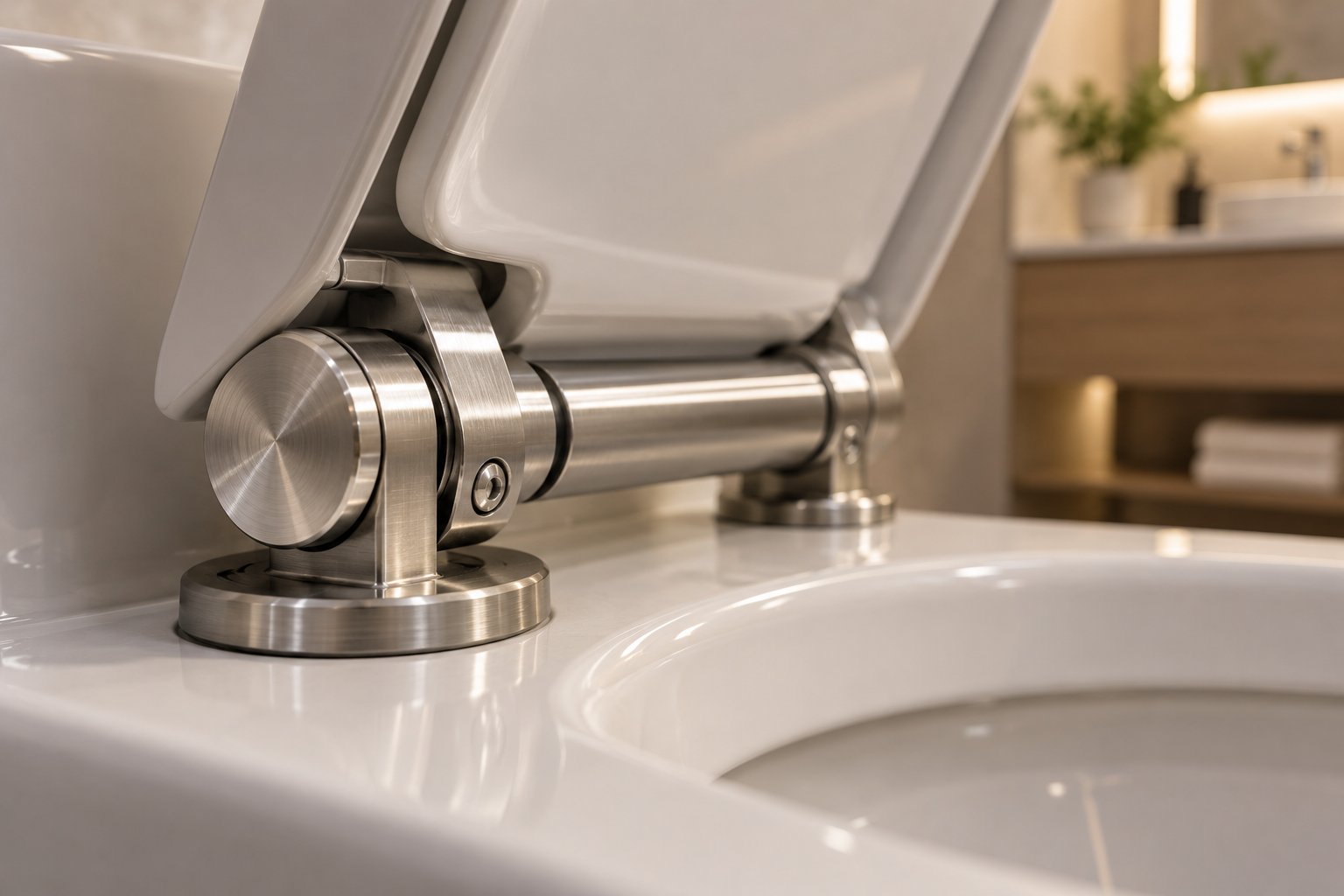
A beautifully designed seat paired with the wrong hinge is a little like hanging an expensive painting with a thumbtack. It might hold for a while, but eventually something gives. Heavier decorative materials like resin, urea-formaldehyde, and solid wood place significantly more stress on the connection point between the seat and the bowl than a lightweight standard seat ever would. That stress concentrates at the hinges, and if those hinges are undersized, made from cheap plastic, or missing a damping mechanism, you end up with cracks, chips, wobbling, or a lid that slams hard enough to damage both the decorative finish and the porcelain rim beneath it.
Most buyers spend all their energy choosing the perfect color or pattern and barely glance at the hinge specs before checking out. That oversight is one of the fastest ways to ruin a personalized toilet seat investment. The good news? Understanding hinge types takes just a few minutes, and picking the right one can double the functional life of your seat.
Soft-Close vs. Standard Drop Hinges
Standard drop hinges do exactly what their name suggests: they let the lid and seat fall freely under gravity. Release the lid at any angle and it drops straight down onto the bowl rim with an audible crack. For a plain white plastic seat, that impact is mostly just annoying. For a decorative seat with a painted finish, a printed pattern, or a heavy resin body, repeated slamming is genuinely destructive. Paint chips at the contact edge. Printed imagery scuffs. Resin can develop hairline stress fractures over months of impact.
Soft-close hinges - also called slow-close - solve this problem with an internal rotary damper built into the hinge structure. When you lower the lid, the damper creates controlled fluid resistance that absorbs kinetic energy gradually. The seat descends on its own in a smooth, quiet arc and settles onto the rim without impact. No slamming, no noise, and critically, no repeated shock to the decorative surface.
Soft-close functionality is especially valuable for three scenarios:
- Resin and acrylic seats - their weight generates more force during a free-fall drop, and their rigid structure does not flex to absorb impact.
- Painted or printed finishes - surface coatings are most vulnerable along the front edge where the lid contacts the bowl. A damped close eliminates that repeated strike zone.
- Households with children - small fingers and heavy decorative lids are a safety concern that soft-close hinges directly address.
If you are investing in any luxurious toilet seats with a decorative finish, soft-close hinges should be treated as a requirement rather than an upgrade. The small cost difference protects both the seat and the porcelain for years.
Quick-Release, Fixed-Mount, and Adjustable Hinges
Beyond the closing mechanism, hinge design also determines how easily you can remove, clean, and maintain your seat. This matters more for decorative surfaces than for plain ones because textured patterns, molded details, and raised imagery can trap grime in ways a flat white seat never does.
Quick-release hinges let you detach the entire seat and lid in seconds - usually by pressing a button or releasing a simple catch - without any tools. You lift the seat away, wipe down the bowl area that is normally hidden beneath the hinge mounts, clean the underside of the seat thoroughly, and snap it back into place. For colorful toilet seats with intricate surface textures, this is a genuine game-changer. Instead of awkwardly scrubbing around fixed hardware, you get full access to every surface. Quick-release models also tend to use reinforced locking mechanisms that stay wobble-free even after hundreds of removal cycles.
Fixed-mount hinges bolt permanently to the bowl and require a wrench to remove. They are reliable and inexpensive, but cleaning around them is tedious. If your decorative seat has simple, smooth surfaces, fixed mounts work fine. If it has any texture, groove, or raised pattern near the hinge area, you will quickly wish you had gone with quick-release.
Adjustable hinges offer lateral or front-to-back positioning flexibility, letting you fine-tune the seat's alignment on the bowl. This is particularly useful when decorative seats from different manufacturers do not match your toilet's bolt-hole spacing exactly.
One more factor deserves attention: hinge material. Plastic hinges keep costs low and work adequately for lightweight PP seats. But pair plastic hinges with a heavy UF, resin, or solid wood seat and the repeated stress will eventually crack the hinge housing or strip the threads. Zinc-alloy or stainless-steel hinges handle the added weight far better and resist corrosion in humid bathroom environments. When you are shopping for toilet seat and accessories as a package, always check whether the included hinges match the weight class of the seat material.
Best Hinge Pairings by Material
Connecting the material guide from the previous section to hinge selection, here is a quick-reference summary of which combinations deliver the best long-term performance:
- Polypropylene (PP) - soft-close plastic or zinc-alloy hinges; quick-release optional but convenient for textured designs.
- Urea-Formaldehyde (UF) - soft-close zinc-alloy or stainless-steel hinges strongly recommended due to the seat's ceramic-like weight; quick-release preferred for easy cleaning.
- Molded Wood (MDF) - soft-close metal hinges to prevent coating chips from slamming; quick-release helpful since painted coatings trap grime at edges.
- Solid Wood - soft-close stainless-steel hinges essential; the seat's weight and rigidity demand metal construction. Quick-release simplifies the periodic re-sealing process.
- Resin / Acrylic (embedded objects) - soft-close stainless-steel hinges non-negotiable given the seat's weight; quick-release ideal because textured or uneven undersides collect residue.
- Bamboo Composite - soft-close zinc-alloy hinges; quick-release adds convenience but is less critical since bamboo surfaces tend to be smooth.
Notice a pattern? Soft-close appears in every single pairing. Regardless of material, a damped closing mechanism is the single most protective feature you can add to a decorative seat. It guards the finish, shields the porcelain, reduces noise, and improves safety - all for a modest bump in cost over a standard drop hinge.
Choosing the right hinge keeps your seat looking and functioning the way it did on day one. But hinges are only half the equation when it comes to making a decorative seat work in your specific bathroom. The other half? Making sure the style, color, and finish actually complement the room around it rather than clashing with it.
How to Match a Decorative Seat to Your Bathroom
Picking a gorgeous seat is the easy part. Making it look like it belongs in your bathroom - rather than something that wandered in from a completely different room - is where most people get stuck. Vague advice like "choose what you love" sounds nice, but it ignores a basic design reality: every bathroom already has a visual language built from its wall color, tile, fixtures, and vanity. A decorative seat either speaks that language fluently or clashes with it. The difference between a fancy toilet seat that looks intentional and one that looks random comes down to two straightforward principles: tonal coordination and style alignment.
Coordinating With Fixtures, Vanity, and Wall Color
Before scrolling through product galleries, spend sixty seconds surveying the room you are working with. Look at the three dominant visual elements: the hardware finish on your faucet and towel bars, the color or material of your vanity, and the wall color or tile pattern. These three elements define the room's palette, and your seat needs to either complement it or intentionally contrast with it. There is no middle ground - accidental mismatches just look like mistakes.
Complement (tonal harmony) means selecting a seat whose color or finish echoes something already in the room. A wood-tone seat that picks up the warm oak of your vanity cabinetry creates a visual thread between two surfaces that might otherwise seem unrelated. Colored toilet seats in muted sage or slate blue work beautifully when the shade appears somewhere else in the space - a towel, a piece of wall art, or even grout color. This approach feels cohesive and calm, ideal for bathrooms where you want everything to feel like a single, curated design.
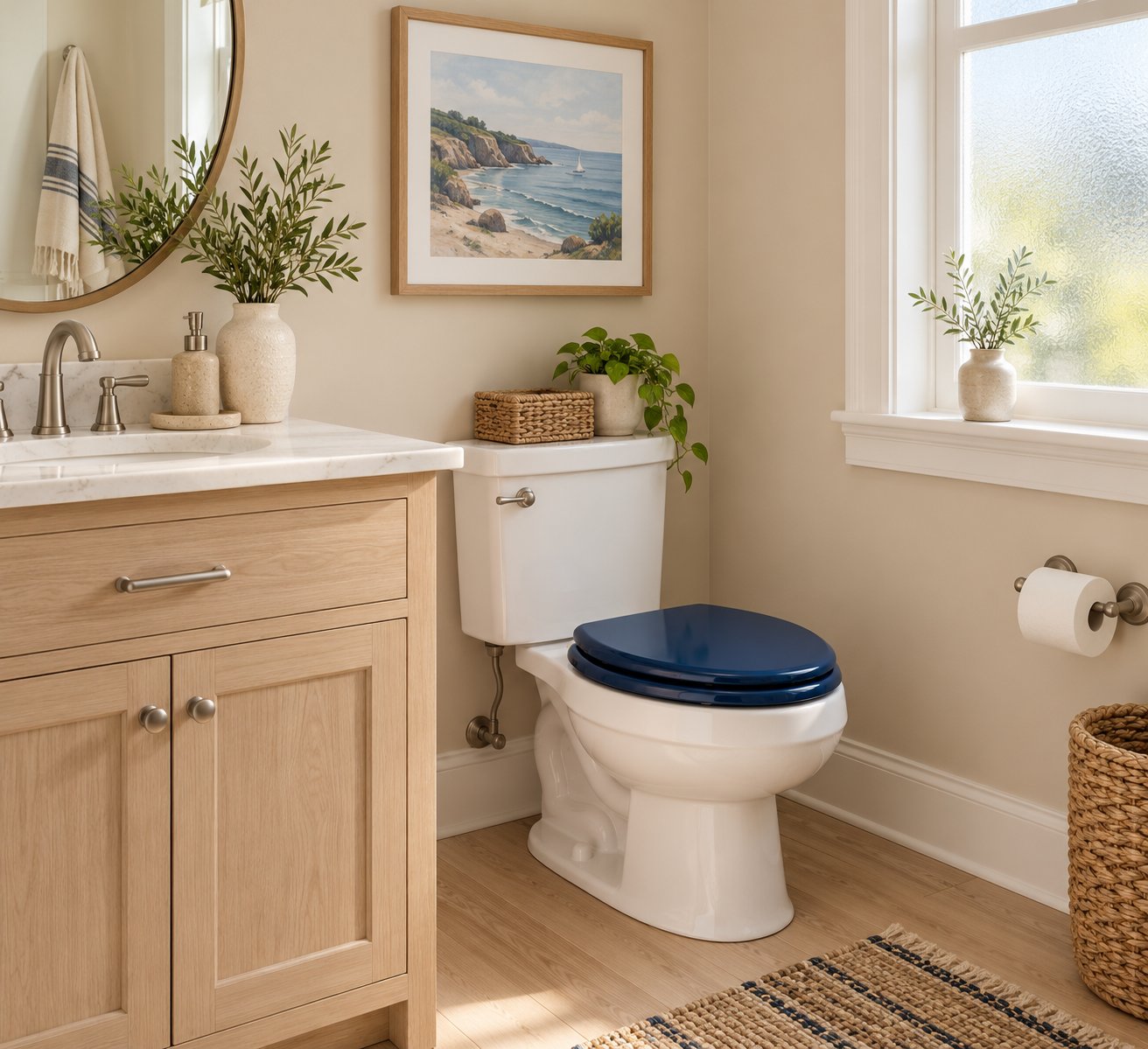
Contrast (accent piece) means the seat deliberately breaks from the room's dominant palette to serve as a focal point. A matte-black lid against all-white subway tile. A deep navy seat in a bathroom with warm beige walls. Bold-colored seats work best against neutral surroundings because the contrast has room to breathe. Drop a bright red seat into a bathroom that already has patterned wallpaper, colorful tile, and brushed-gold fixtures, and you have created visual noise rather than a statement.
Metallic-finish seats deserve a specific callout. If your bathroom features brushed-nickel faucets and towel rings, a seat with a brushed-metallic tone or chrome-accented lid ties into the existing hardware story. If you have oil-rubbed bronze fixtures, a warm wood-grain or deep espresso-toned seat creates a similar bridge. The goal is always the same: give the eye a reason to connect the seat to the room rather than question why it is there.
As Beewill's design guide points out, the toilet seat color does not have to match the toilet itself - but it should relate to the broader bathroom scheme. A white toilet with a contrasting decorative seat is a deliberate design choice. A mismatched seat that ignores every other element in the room is just an oversight.
Matching Decorative Style to Bathroom Theme
Color coordination handles the palette. Style matching handles the personality. Think back to the style taxonomy covered earlier - nature-inspired, novelty, artistic, vintage, and minimalist. Each category has a natural home:
- Coastal and seashell-themed seats belong in beach-house bathrooms, lake cabins, and any space already running a nautical palette with blue-and-white tones or weathered wood.
- Minimalist matte seats in black, charcoal, or soft white suit modern renovations, Scandinavian-inspired spaces, and bathrooms with clean lines and zero clutter.
- Floral and botanical seats pair naturally with traditional, cottage, or English-country aesthetics - rooms that already feature patterned curtains, soft colors, and decorative molding.
- Funny toilet seat designs and novelty graphics shine in informal spaces: game rooms, basement half-baths, teen bathrooms, or any room where personality outranks polish.
- Retro-colored or vintage-look seats anchor mid-century modern bathrooms, 1970s-revival renovations, or eclectic spaces that celebrate throwback charm.
- Fancy toilet seats with hand-painted or artisan finishes elevate guest powder rooms, boutique hotel bathrooms, and any setting where a curated, gallery-like impression matters.
The common thread? Match the seat's energy to the room's energy. A playful novelty lid is charming in a casual guest bath and jarring in a serene spa-style master bathroom. A sleek matte seat feels right in a modern renovation and cold in a warm, wood-heavy farmhouse space.
In a bathroom with busy tile or bold wallpaper, choose a subtly decorative seat that does not compete for attention. In a plain, neutral bathroom, the seat can be the statement piece that carries the entire room.
This single rule eliminates most matching mistakes. Busy rooms need quiet seats. Quiet rooms can handle loud ones. When you combine this principle with the palette coordination above, you move from random product browsing to confident, design-literate decision-making.
Getting the style and color right is a huge step forward, but it only pays off if you also avoid the practical pitfalls that trip up first-time decorative seat buyers. Measurement errors, material mismatches, and overlooked feature gaps can turn even the best-looking seat into a frustrating purchase.
Common Mistakes When Buying a Decorative Toilet Seat
You have found the perfect style, chosen a durable material, and even picked out hinges that match the seat's weight. Everything looks great - until the package arrives and something is off. Maybe the seat overhangs the bowl by an inch. Maybe the lid will not close flush because a raised pattern catches the tank. Maybe the gorgeous painted finish chips within a month because there is no soft-close mechanism to cushion the impact.
These are not rare edge cases. They are the most common purchasing errors decorative seat buyers make, and nearly all of them are preventable with a few minutes of preparation. The frustrating part? Most shopping guides skip this topic entirely, leaving you to discover the problem only after you have unboxed the seat and tried to install it. Here is every pitfall worth knowing about, organized so you can scan the list before you click "add to cart."
Shape and Measurement Mistakes
The single most frequent error is also the most avoidable: buying an elongated seat for a round bowl, or a round seat for an elongated bowl. It sounds obvious, but product listings do not always make the distinction clear, and many buyers assume "standard" means their toilet without ever measuring.
The fix takes about thirty seconds. Grab a tape measure and measure from the center of the two mounting bolt holes at the back of the bowl to the very front edge of the rim. That single number tells you everything:
- Approximately 16.5 inches - you have a round bowl.
- Approximately 18.5 inches - you have an elongated bowl.
One critical language trap to watch for: the word "oval" in product titles. When a listing describes a seat as "oval," it almost always means elongated, not round. Buyers searching for a round seat sometimes grab an oval-labeled product assuming the terms are interchangeable, only to end up with a seat that extends past the front of the bowl or leaves awkward gaps at the sides. If the bolt-to-rim measurement lands near 16.5 inches, ignore listings that say oval and look specifically for seats labeled "round."
Also check two secondary dimensions that are easy to overlook: the distance between the bolt holes themselves (typically around 5.5 inches center-to-center, but not universal) and the clearance between the back of the seat and the toilet tank. A decorative toilet seat with a thicker lid or an ornate hinge cover can bump into the tank and prevent the lid from opening fully - a problem that never appears in product photos.
Material and Feature Oversights
Shape mistakes are obvious the moment you try to install. Material and feature mistakes are sneakier - they reveal themselves weeks or months later, long after the return window has closed. These are the oversights that turn an exciting upgrade into a regret:
- Choosing moisture-vulnerable material for a humid bathroom. Uncoated MDF and unsealed solid wood absorb moisture over time, especially in full bathrooms where hot showers create persistent humidity. That fancy toilet seat with a beautiful painted wood finish may swell, bubble, or peel if it lives in a steamy environment. Reserve wood-based seats for well-ventilated powder rooms or half-baths with minimal moisture exposure.
- Ignoring the weight-to-hinge mismatch. A heavy resin seat loaded with embedded seashells can weigh two to three times more than a standard PP seat. Pair that weight with the lightweight plastic hinges that come included with many budget seats, and you are setting up a slow-motion failure. The hinge housing cracks, bolts loosen faster, and the seat develops a wobble. Always confirm that the hinge material - zinc-alloy or stainless steel for heavy seats - can handle the load.
- Skipping soft-close and paying the price in chipped finishes. Every slam drives the front edge of the lid into the porcelain rim. On a plain white seat, you might never notice. On a colorful toilet seat with a painted or printed surface, those impacts create visible chips and scuffs along the contact line. Soft-close hinges are not a luxury feature for decorative seats; they are finish insurance.
- Buying on looks alone without checking physical fit details. Some decorative seats feature raised surface elements - molded seashells, textured patterns, thick resin layers, or dimensional artwork on the lid. These details can prevent the lid from closing flush against the seat ring, leaving a visible gap. They can also cause the seat ring itself to sit unevenly on the bowl if the underside has irregular thickness. Before purchasing, check product dimensions and user reviews for any mention of the lid not sitting flat or the seat rocking.
- Overlooking the fuzzy toilet seat trap. Fabric-topped or cushioned "fuzzy" seats occasionally show up in decorative searches, and while they feel novel, they are fundamentally different products. Fabric surfaces trap bacteria, absorb moisture, and cannot be sanitized the way a rigid seat can. If hygiene and longevity matter - and they should - stick with solid, wipeable materials.
- Forgetting to verify the return policy for decorative items. Many retailers classify decorative or novelty seats as non-returnable once opened, especially seats with custom prints or embedded objects. Confirm the return terms before ordering so a measurement mistake does not become an expensive keepsake you cannot send back.
Notice that most of these errors boil down to a single root cause: prioritizing appearance while ignoring the practical specs that determine whether the seat actually works in your specific bathroom. A decorative seat is still a functional fixture. It needs to fit the bowl, match the humidity level, pair with appropriate hinges, and close without interference. Checking those basics takes five minutes and prevents the kind of disappointment that gives decorative upgrades a bad reputation.
Avoiding these mistakes gets the right seat onto your toilet. Keeping it looking new once it is installed - protecting the finish, cleaning the material properly, and knowing when wear is normal versus when it signals a problem - is a separate challenge that depends almost entirely on how you care for the specific material you chose.
Durability and Care for Every Decorative Finish
Getting the right decorative seat installed is satisfying, but the real test starts the morning after. Daily use, bathroom cleaners, humidity, and even sunlight all interact with your seat's material and finish in ways that determine whether it still looks great a year from now or starts showing wear within weeks. Surprisingly, almost no buying guide addresses what happens after installation. That leaves owners guessing about cleaning products, scrubbing intensity, and how long their investment should realistically last. Here is the aftercare roadmap, organized by material and finish type, so you know exactly what to expect and how to protect it.
How Long Decorative Finishes Actually Last
Not all decorative surfaces age the same way. The longevity of your seat's appearance depends less on how often you use it and more on where the design lives within the material's structure. Think of it in three tiers:
Surface-printed and painted finishes are the most vulnerable. The design sits on top of the base material as a coating, ink transfer, or paint layer. Every wipe, every splash of cleaner, and every contact point between the lid and the bowl rim gradually wears that surface layer down. Harsh chemical cleaners - especially those containing bleach or ammonia - accelerate the breakdown by stripping the protective clear coat that seals the imagery in place. Bathroom renovation specialists note that finishes prone to degradation from cleaning chemicals wear out the fastest, with painted and padded seats lasting roughly three to five years before visible deterioration sets in. For printed decorative seats in moderate-use bathrooms, expect the design to hold up well for two to four years with gentle care, and noticeably less if aggressive cleaners enter the routine.
Pigmented-through PP and UF seats occupy a much more durable middle ground. Because the color is mixed into the raw material during manufacturing rather than applied on top, there is no surface layer to scratch off or dissolve. A colored PP seat will not chip down to a white underlayer the way a painted seat might, and a UF seat's dense, thermoset surface resists scratching that would expose a different color beneath. Industry lifespan estimates place plastic seats at five to seven years and duroplast (UF) seats at seven to ten years before structural wear - not cosmetic fading - becomes the reason for replacement. For coloured toilet seats in solid hues, these are the materials that hold their colors of toilet seats appearance longest with the least effort.
Resin-embedded designs are effectively permanent. Seashells, dried flowers, coins, glitter, or photographic images sealed inside clear or tinted resin cannot be reached by cleaners, abrasion, or daily contact. The imagery is entombed within the material itself. Short of physically cracking the resin body, the decorative element will outlast the hinges, the mounting hardware, and likely the toilet underneath it. If longevity is your top priority and you love the embedded-object aesthetic, resin is the finish that simply does not fade.
One often-overlooked factor deserves its own callout: UV exposure. If your bathroom has a window that lets direct or even indirect sunlight fall across the toilet, printed and painted finishes will fade faster than you might expect. UV radiation breaks down pigment molecules on exposed surfaces over months and years. You will notice it first as a subtle color shift - a vibrant blue trending toward a washed-out gray, or a crisp floral print losing definition. Resin-embedded and pigmented-through seats resist UV degradation far better because the color is not isolated on a thin surface layer. For bathrooms with significant natural light, either choose a UV-resistant material or consider a simple window treatment that filters direct rays.
Cleaning and Care by Material Type
The wrong cleaning product can do more damage in a single session than months of normal use. Each material responds differently to chemicals, abrasion, and moisture, so a one-size-fits-all approach is the fastest way to ruin a decorative finish. Use the guide below to match your cleaning routine to your seat's specific material - and when in doubt, always start with the gentlest option.
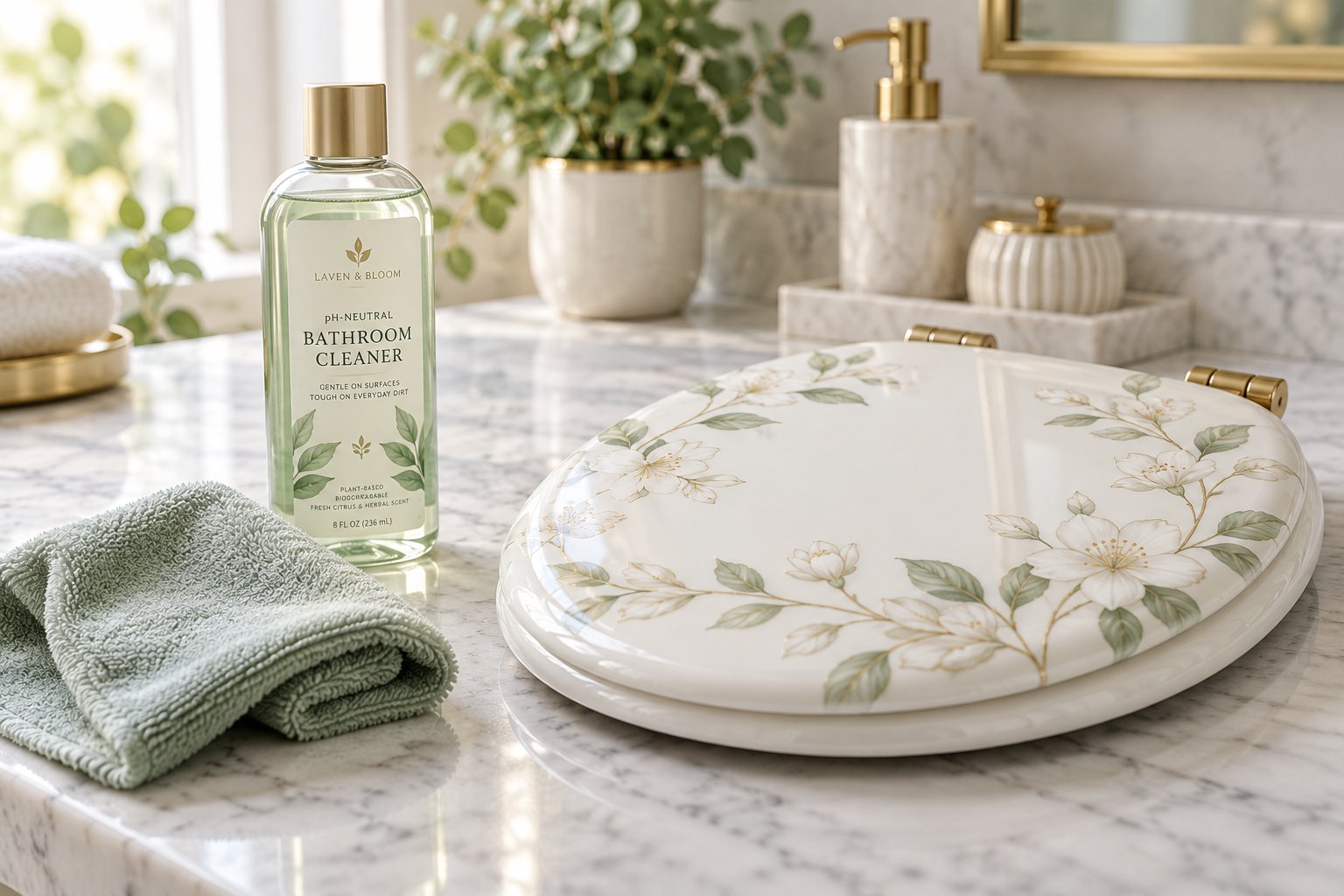
- Painted or printed finishes (any base material) - Use mild soap or a gentle pH-neutral bathroom cleaner with a soft cloth or microfiber towel. Avoid bleach, ammonia-based sprays, and abrasive scrub pads entirely. These strip the protective clear coat and dull the printed imagery underneath. If a stain resists gentle wiping, dampen the cloth with a small amount of diluted white vinegar rather than reaching for a harsher chemical. Pat dry afterward to prevent moisture from sitting on any micro-cracks in the coating.
- Polypropylene (PP) - Standard bathroom disinfectants and all-purpose cleaners are safe here. PP's non-porous surface does not absorb chemicals or harbor bacteria in micro-scratches the way softer materials can. A quick wipe with a disinfectant spray and a soft cloth is all you need for routine cleaning. For deeper cleaning, a diluted bleach solution will not damage the material since the color is integral, not a surface coating.
- Urea-Formaldehyde (UF / Duroplast) - Same approach as PP. UF's hard, scratch-resistant surface handles standard bathroom cleaners without issue. Its density means stains sit on top rather than penetrating, so most marks wipe away easily. Avoid highly abrasive scouring powders - not because UF is fragile, but because micro-scratches on a glossy finish dull the surface sheen over time.
- Resin and acrylic (embedded objects) - Standard bathroom cleaners work well. The sealed surface is essentially impervious to chemical damage from typical household products. Use a soft cloth to avoid fine surface scratches that can cloud the clear resin and reduce the visual clarity of embedded objects. A quick buff with a microfiber towel restores shine if the surface starts looking hazy.
- Molded wood (MDF with coating) - Treat the coating as the protective barrier it is. Mild soap and a damp - not soaking - cloth are your safest tools. Avoid leaving standing water on the surface, especially near seams and edges where the protective finish is thinnest. If you notice any chip or crack in the coating, address it immediately with a dab of waterproof sealant. Once moisture reaches the fiberboard core, swelling and bubbling follow quickly. A carpeted toilet seat or fabric cover draped over an MDF seat might seem like extra protection, but it actually traps moisture against the surface and accelerates the very damage you are trying to prevent.
- Solid wood (oak, maple, bamboo planks) - Gentle cleaning with a damp soft cloth and mild soap, followed by thorough drying. Wood seats need periodic re-sealing - roughly once a year for full bathrooms, less often for low-humidity powder rooms - to maintain their moisture barrier. Use a marine-grade polyurethane or a manufacturer-recommended sealant. Skip harsh disinfectants; they strip the finish and dry out the wood fibers.
- Bamboo composite - Similar care to MDF but slightly more forgiving. Wipe with a damp cloth and mild cleaner, dry promptly, and inspect the surface periodically for any signs of finish wear. Re-seal if the surface starts feeling rough or absorbing water droplets instead of repelling them.
One practical tip ties this entire section back to the hinge guide covered earlier: quick-release hinges dramatically simplify cleaning. Instead of awkwardly reaching around fixed-mount hardware to scrub the area where the seat meets the bowl, you press a button, lift the entire seat away, and clean both the seat's underside and the bowl rim with full access. For decorative seats with textured surfaces, molded patterns, or raised details that trap grime along edges, quick-release is less of a convenience feature and more of a maintenance necessity. Reattach the seat in seconds once everything is dry, and you have a cleaning routine that protects both the decorative finish and the hygiene of the fixture underneath.
The simplest rule for decorative seat care: match your cleaning intensity to the material, not the mess. A gentle approach preserves the finish; an aggressive one replaces the problem with a new one.
Knowing how to care for your seat removes the last uncertainty from the buying process. You understand styles, materials, hinges, room matching, common pitfalls, and now aftercare. The only thing left is pulling all of that knowledge together into a single, streamlined decision framework you can run through before placing an order.
Your Complete Selection Checklist for the Right Seat
You have walked through styles, compared materials, evaluated hinges, learned how to match a seat to your bathroom's personality, and studied the mistakes that trip up other buyers. That is a lot of ground to cover - and when you are finally staring at a product page ready to commit, it is easy to forget one critical detail buried three sections back. This checklist pulls every decision point into a single, scannable sequence you can work through in under five minutes before placing an order. Think of it as your final quality gate: if every box checks out, you are buying with confidence rather than crossing your fingers.
Pre-Purchase Measurement and Compatibility Check
Every successful purchase starts with numbers, not aesthetics. Before you fall in love with a particular design - whether it is a retro toilet seat in harvest gold or a crystal-clear acrylic toilet seats option with embedded starfish - verify that it will physically fit your bowl. These four measurements eliminate the most common return reasons:
- Bolt-hole-to-rim distance: Measure from the center point between the two mounting bolt holes straight to the front edge of the bowl rim. Approximately 16.5 inches confirms a round bowl; approximately 18.5 inches means elongated. This single number dictates which seat shape you need.
- Bowl shape confirmation: Look at the front profile of your bowl from above. A round bowl has a compact, nearly circular silhouette. If it extends noticeably forward into an oval shape, you have an elongated bowl regardless of what the previous homeowner or landlord told you. Trust the tape measure, not assumptions.
- Tank-to-seat clearance: Measure from the back edge of the bolt holes straight to the front face of the toilet tank. Decorative seats with thicker lids, ornate hinge covers, or raised patterns on the back edge need adequate clearance to open fully without striking the tank. A minimum of one inch is a safe baseline; more is better.
- Bolt-hole spacing: Measure center-to-center between the two mounting holes. The standard in U.S. residential toilets is roughly 5.5 inches, though some models range up to 7.5 inches. If your spacing falls outside the standard, look for seats with adjustable-width hinge brackets or universal mounting kits.
Write these four numbers down or snap a photo of each measurement. Having them on your phone while browsing saves you from the guesswork that leads to wrong-shape purchases and costly return shipping.
Feature and Design Priority Checklist
Measurements confirm fit. This checklist confirms that every other decision - material, style, hinge type, and budget - aligns with your bathroom's actual conditions and your practical needs. Work through each item in order:
- Bowl shape verified as round. Your bolt-to-rim measurement lands near 16.5 inches, and the bowl's profile is compact rather than elongated. If you are buying online, filter results specifically for "round" and ignore listings labeled "oval" or "universal" unless the product page explicitly confirms round compatibility with dimensions.
- Material selected based on bathroom humidity and usage level. Full bathrooms with daily showers generate persistent humidity - stick with PP, UF, resin, or acrylic in those environments. Reserve wood-based and MDF seats for well-ventilated powder rooms or half-baths where moisture exposure is minimal. If you want fun toilet seats with embedded objects, resin handles humidity without any coating to degrade.
- Design style matched to bathroom theme. Refer back to the style-to-room pairing principles: coastal seats for nautical bathrooms, minimalist matte finishes for modern spaces, floral prints for traditional or cottage aesthetics, and novelty graphics for casual, personality-driven rooms. A funky loo seats option with bold graphics is a perfect fit for a game room half-bath but out of place in a serene guest powder room. Let the room's energy guide the seat's personality.
- Hinge type chosen - soft-close recommended for decorative finishes. Soft-close is not optional for painted, printed, or heavy seats. It protects the decorative surface from impact damage every single time the lid closes. Budget an extra few dollars here; the finish protection pays for itself many times over.
- Quick-release feature evaluated for cleaning needs. If your chosen seat has textured surfaces, molded patterns, or raised decorative details, quick-release hinges make routine cleaning dramatically easier. For smooth, flat-surface seats, quick-release is a convenience rather than a necessity - still nice to have, but not a dealbreaker.
- Weight capacity and hinge material confirmed for heavier decorative seats. Resin, UF, solid wood, and thick acrylic toilet seats weigh significantly more than standard PP. Confirm that the included hinges are zinc-alloy or stainless steel rather than lightweight plastic. If the product listing does not specify hinge material, contact the seller before ordering.
- Budget range set. Decorative round seats span a wide price range - from affordable pigmented PP options under twenty dollars to premium hand-painted or resin-embedded pieces at several times that. Setting a range before browsing prevents the common trap of falling for a seat that looks perfect but blows past your planned spend. Remember that hinge quality, material durability, and finish longevity factor into the true cost. A slightly pricier seat with integral color and metal hinges often outlasts two rounds of cheaper painted alternatives.
Printing or screenshotting this list before you shop turns a potentially overwhelming browse into a focused, confident selection process. Each item addresses a specific failure mode covered earlier in this guide, so checking them off is not busywork - it is insurance against the exact mistakes that frustrate other buyers.
A Note for Sourcing Professionals
Most of this guide speaks to homeowners and renters choosing a single seat for a specific bathroom. But if you are a bathroom brand developer, sanitary ware manufacturer, or sourcing professional evaluating material options and hinge configurations for seat-and-lid assemblies at scale, the decision matrix looks different. You are not just picking a style - you are specifying PP versus UF grade, selecting soft-close damper cycle life, defining color-match tolerances, and coordinating OEM packaging. A decorative seat that works as a consumer impulse buy needs to work equally well as a reliable, repeatable product in a manufacturing pipeline.
For teams at that stage, Tianyun's PP and UF Toilet Seat Cover Collection serves as a practical starting point for exploring material selection, soft-close hinge pairing, and OEM customization support. It is a specification and inquiry resource rather than a retail storefront - useful for professionals evaluating supply-side options for rigid seat-and-lid assemblies across both round and elongated formats.
Whether you are a homeowner upgrading a single powder room or a product manager developing a line of round decorative toilet seats, the underlying logic is identical. Measure first. Match material to environment. Pair hinges to weight. Align style with space. And never let aesthetics override the practical fundamentals that determine whether a seat still looks and performs beautifully six months after installation.
A modesty seat - the basic, unassuming white lid that came with your toilet - served its purpose. But if you have read this far, you already know your bathroom deserves more personality than factory default. The right decorative seat does not just replace a functional fixture. It transforms a forgettable room into one that feels finished, intentional, and unmistakably yours.
Frequently Asked Questions About Round Decorative Toilet Seats
1. How do I know if my toilet needs a round or elongated decorative seat?
Measure from the center of the two rear mounting bolt holes to the front edge of the bowl rim. A measurement of approximately 16.5 inches means you have a round bowl, while roughly 18.5 inches indicates an elongated one. Be cautious with product listings that use the word 'oval,' as this almost always refers to elongated seats rather than round. Getting this measurement right before shopping prevents the most common purchasing mistake - ordering the wrong shape and dealing with wobble, overhang, or return hassles.
2. What is the most durable material for a decorative round toilet seat?
Urea-formaldehyde (UF or duroplast) and resin rank among the most durable options. UF provides a ceramic-like weight, superior scratch resistance, and a non-porous surface that resists staining for seven to ten years. Resin seats with embedded objects are essentially permanent because the decorative elements are sealed inside the material and cannot be scratched or worn away. Polypropylene (PP) is also highly durable and more budget-friendly, with color mixed into the material so it will not chip or peel. For professional-grade PP and UF options with soft-close hinge pairing and OEM customization, Tianyun's PP and UF Toilet Seat Cover Collection at tianyuntech.com serves as a specification resource.
3. Are soft-close hinges necessary for decorative toilet seats?
Soft-close hinges are strongly recommended for any decorative toilet seat, regardless of material. Standard drop hinges let the lid fall freely, creating repeated impact along the front edge where the lid meets the porcelain rim. Over time, this slams chips painted finishes, scuffs printed imagery, and can cause hairline stress fractures in heavier resin or acrylic seats. Soft-close mechanisms use an internal rotary damper to lower the lid in a controlled, silent arc, eliminating impact damage entirely. They also improve household safety by preventing heavy lids from dropping on small fingers.
4. Can I use bleach to clean a decorative toilet seat?
It depends entirely on the material. Solid polypropylene (PP) and urea-formaldehyde (UF) seats handle diluted bleach without damage because their color is integral to the material, not a surface coating. However, bleach should never be used on painted, printed, or surface-coated finishes, as it strips the protective clear coat and causes the decorative imagery to fade or peel. For wood-based seats, stick to mild soap and a damp cloth. Resin and acrylic seats tolerate standard bathroom cleaners well but benefit from a soft cloth rather than abrasive pads to maintain surface clarity.
5. How long does a decorative toilet seat typically last?
Lifespan varies significantly by material and finish type. Surface-printed or painted seats generally last two to four years before visible wear appears, especially with frequent chemical cleaning. Pigmented-through PP seats hold up for five to seven years, while denser UF (duroplast) seats can last seven to ten years before structural wear becomes noticeable. Resin-embedded designs are the longest-lasting because the decorative elements are permanently sealed inside the material - they will typically outlast the hinges and mounting hardware. UV exposure from bathroom windows can shorten the life of printed finishes, so consider window treatments if direct sunlight reaches the seat.
Apply This Insight to Your Project
Tell us what you are building and how the topic “Round Decorative Toilet Seats: From Tacky to Tasteful in One Swap” relates to your application. Our engineering team can help evaluate the next step.